
The Instruments for Sentiments
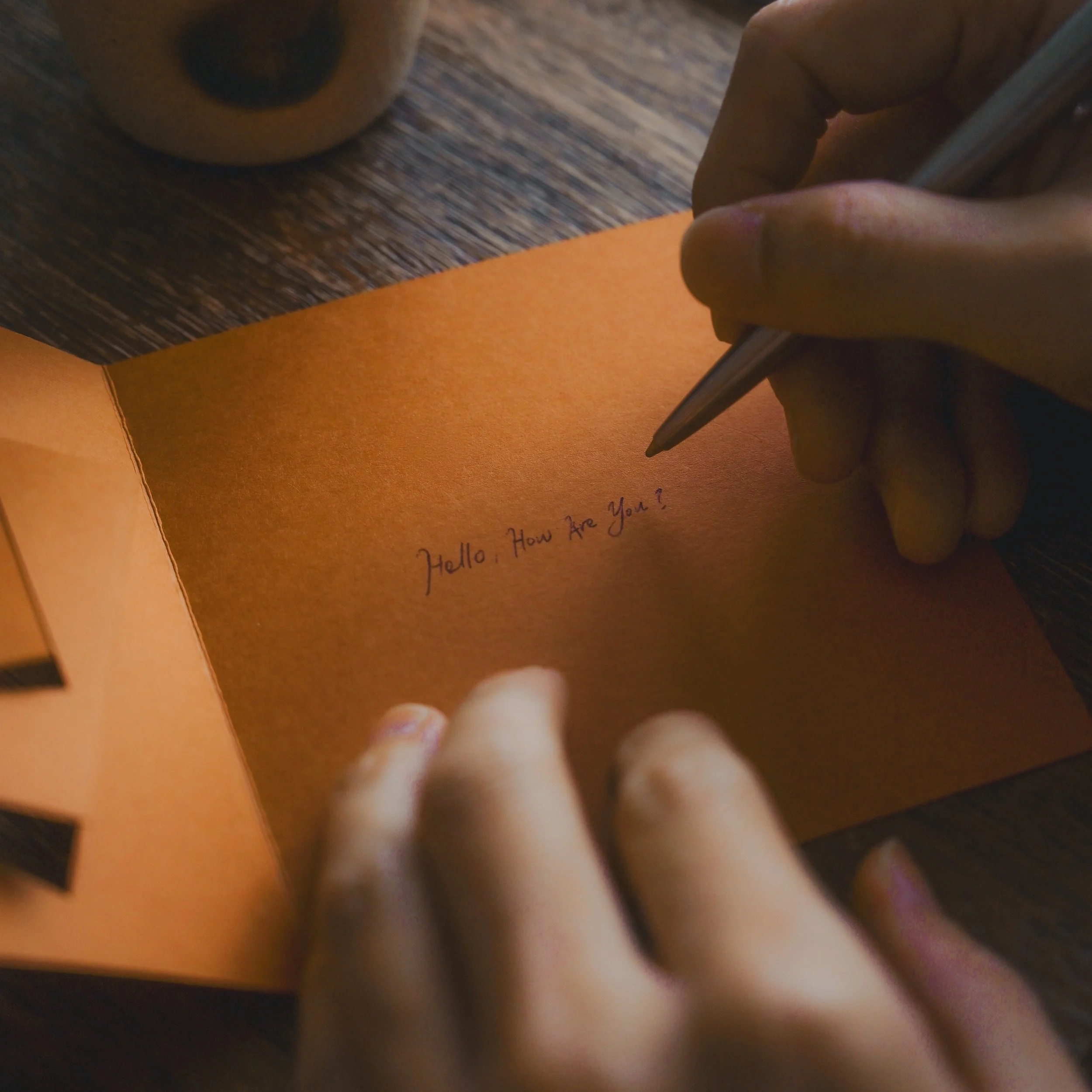
Everywhere we go, we find ourselves drawn to stationery stores, and it has long been a dream of ours to design and make stationery ourselves – whether cards, writing tools, or organisational objects. We have often wondered why we are so drawn to it. Perhaps it is because there is something deeply human about stationery. These are tools tied to the things that matter most to us: feeling, memory, and connection.
We turn to pen and paper to capture thoughts we cannot yet articulate, or feelings we struggle to say aloud. A journal becomes a place to document the quiet memories of everyday life. Cards travel across distances to express love, celebrate milestones, or simply remind someone that they remain held in thought.
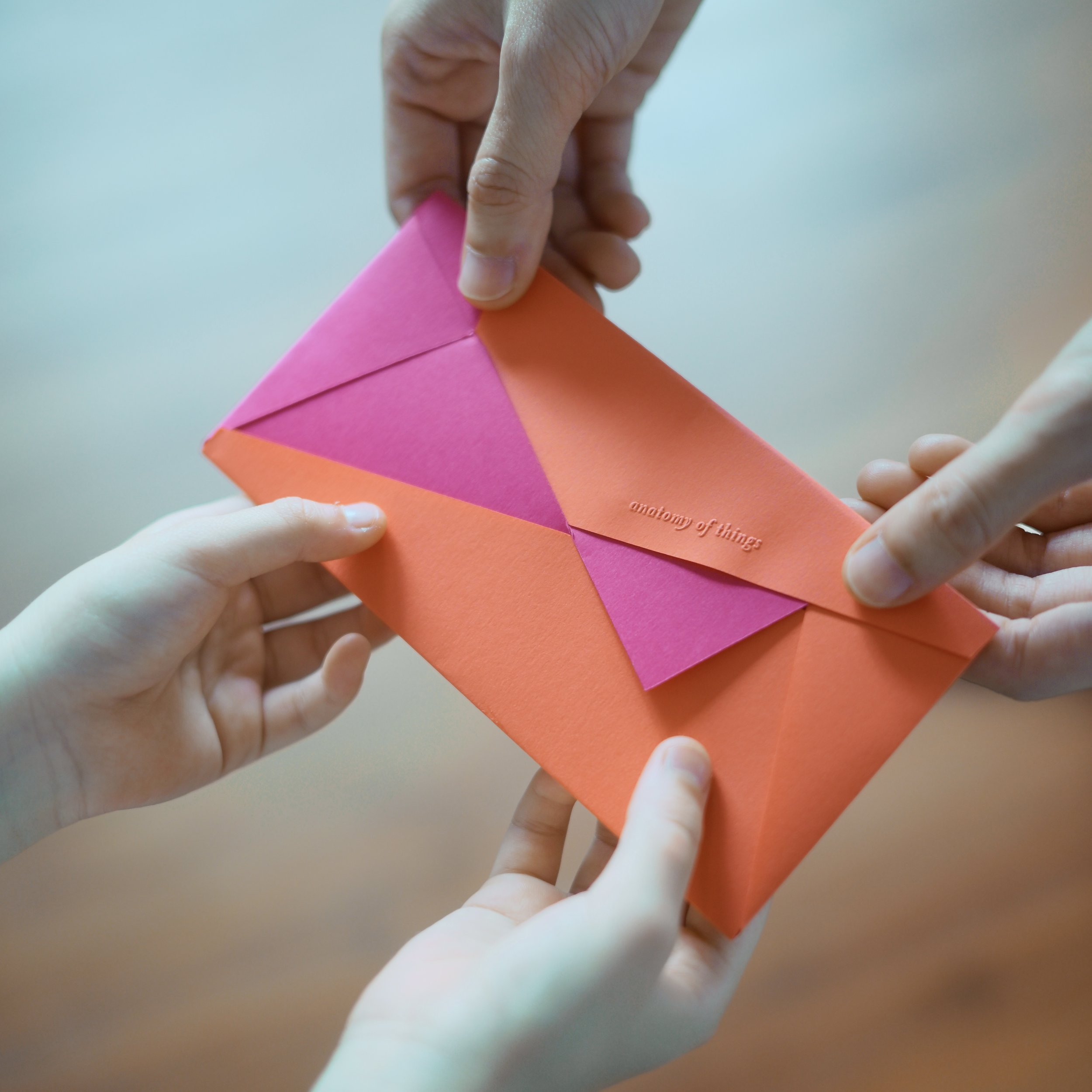
To say that stationery is an instrument for carrying our sentiments beyond ourselves – from one person to another, across time and distance – perhaps describes it best. In an increasingly technological world, where artificial intelligence now assists us in composing even our thoughts, stationery retains a quiet beauty. It occupies a small but meaningful space that technology has yet to fully reach.
There is something intimate about the effort involved in a handwritten note: ink pressed to paper, folded, sealed, sent. The message becomes more than words. It is time made visible, care made tangible. Written, perhaps, for one pair of eyes only.
Perhaps this, too, explains the enduring desire for a fountain pen such as a Montblanc, one that may cost thousands of dollars. In an age where human thought is increasingly mediated, assisted, and reshaped by external tools, the act of writing by hand – unaided and unhurried – begins to feel closer to preservation. It protects a space for thought to take form on its own terms, insisting that an idea first pass through the hand before it reaches anyone else.
To spend on stationery that genuinely entices one to write, then, may be less a splurge than an investment: in attention, in intention, and in the quality of what is set down.
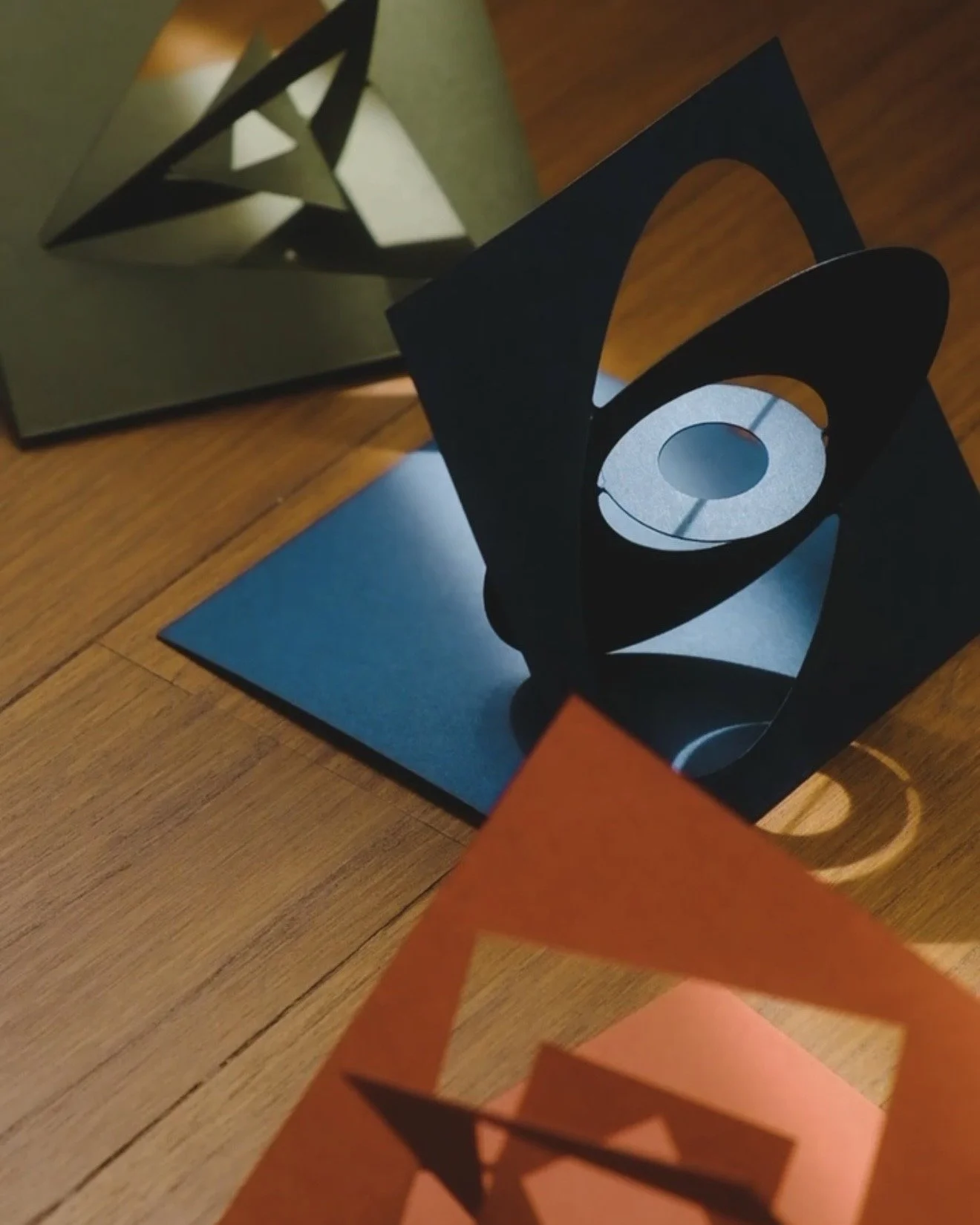
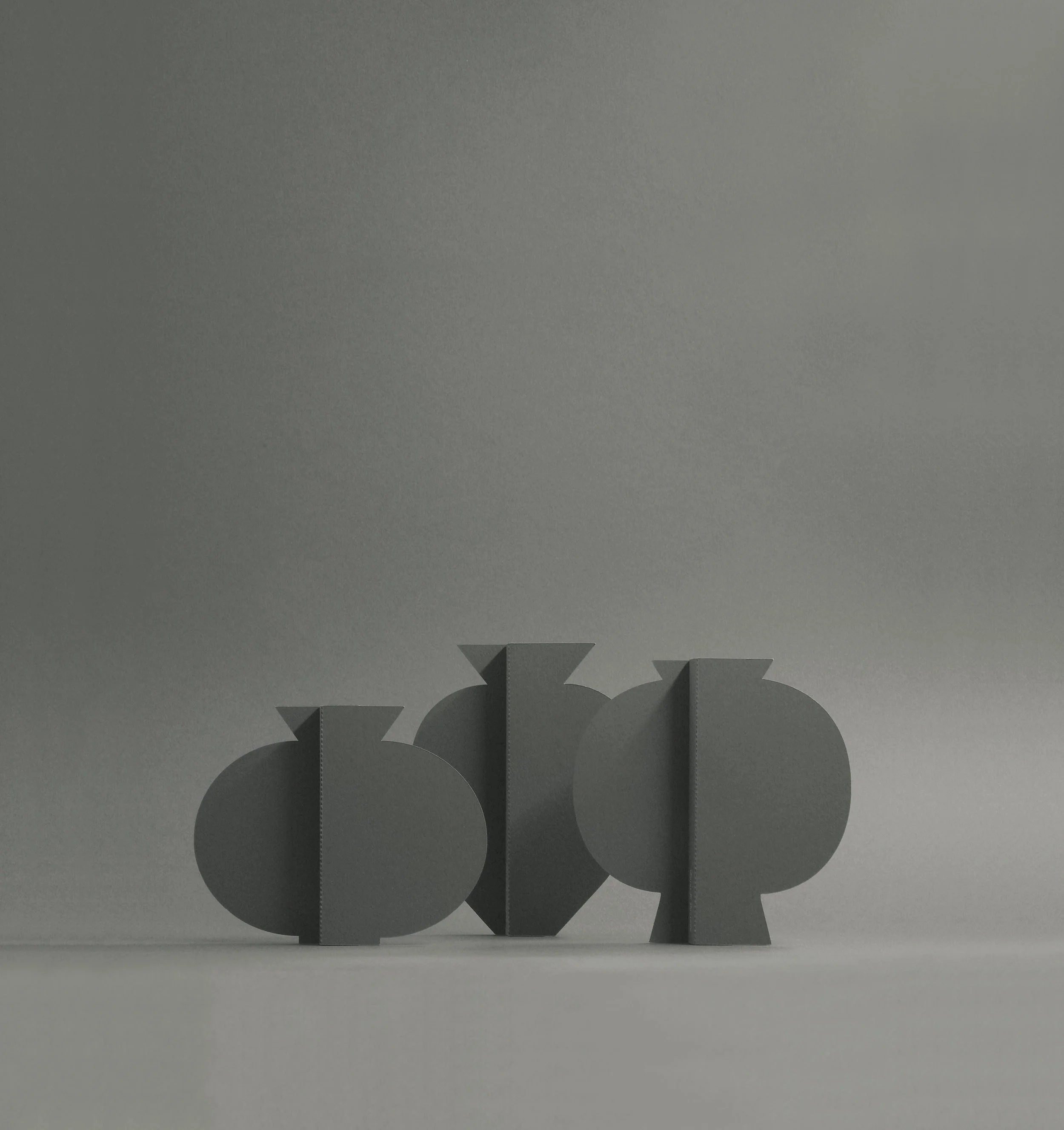
With preservation as a guiding consideration, we think carefully about the stationery we make at Anatomy of Things. We hope to create objects that people choose to keep, so that the connection and sentiment someone has painstakingly penned and sent across the miles might endure. Our series of greeting cards and envelopes is designed with this in mind, as objects asked to perform beyond a single function.
After the message has been read, the card might become a vase or a small sculpture; the envelope, once opened, may find a second life rather than an end. In this way, the object outlasts the occasion. Perhaps it carries something of the sentiment with it – a quiet reminder of our humanity.
TEXT AND IMAGES BY ANATOMY OF THINGS