
On a Space One Never Knew Existed
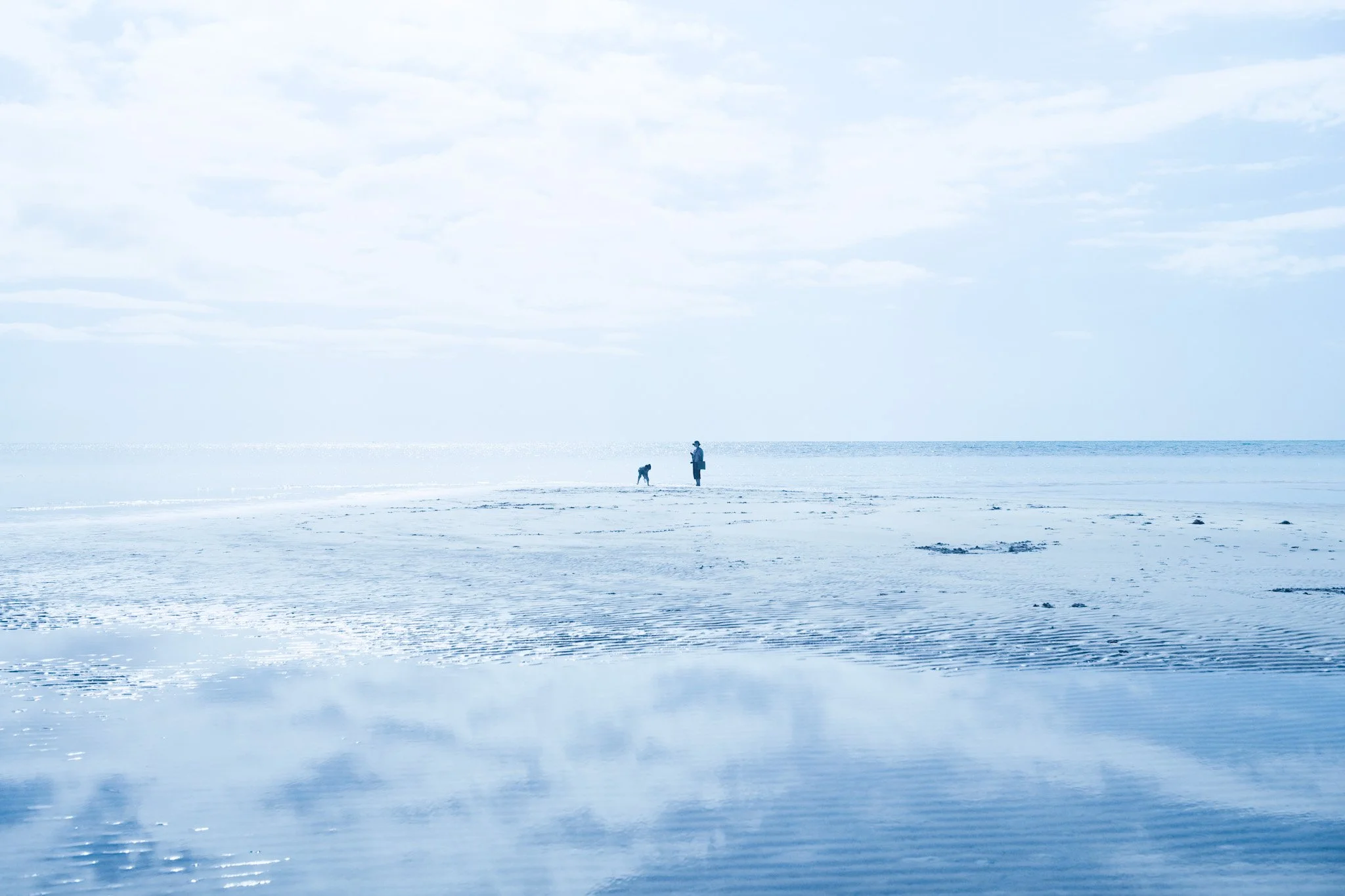
Living in Singapore, one learns early that land is never wasted. Every square metre is accounted for – mapped, zoned, built upon. It is rare to encounter a patch of earth left to its own devices, save for the nature reserves deliberately set aside: contained wildernesses with borders and opening hours. For the most part, one lives within a built environment so complete that it begins to feel like the only environment possible.
There is a particular compression that arises from this. Not oppressive, exactly, but gradual – a slow narrowing of expectation. The eye learns to stop early, intercepted by the next building, the next surface, the next object asking to be seen. And if one walks to the edge of the island, hoping at last for open water and an uninterrupted horizon, the sea too is occupied. Ships line the distance. Even there, the world remains full.
One day, driving along the coast of Western Australia, that fullness began to loosen.
The change arrived slowly. Tall buildings gave way to country houses. Dense vegetation opened into long stretches of farmland. Highways grew quieter, emptier. Then, almost without announcement, came the ocean – an immense vanishing point with nothing on the horizon to arrest the gaze. Only now and then, a whale surfaced to breathe before slipping beneath again, leaving the vastness undisturbed.
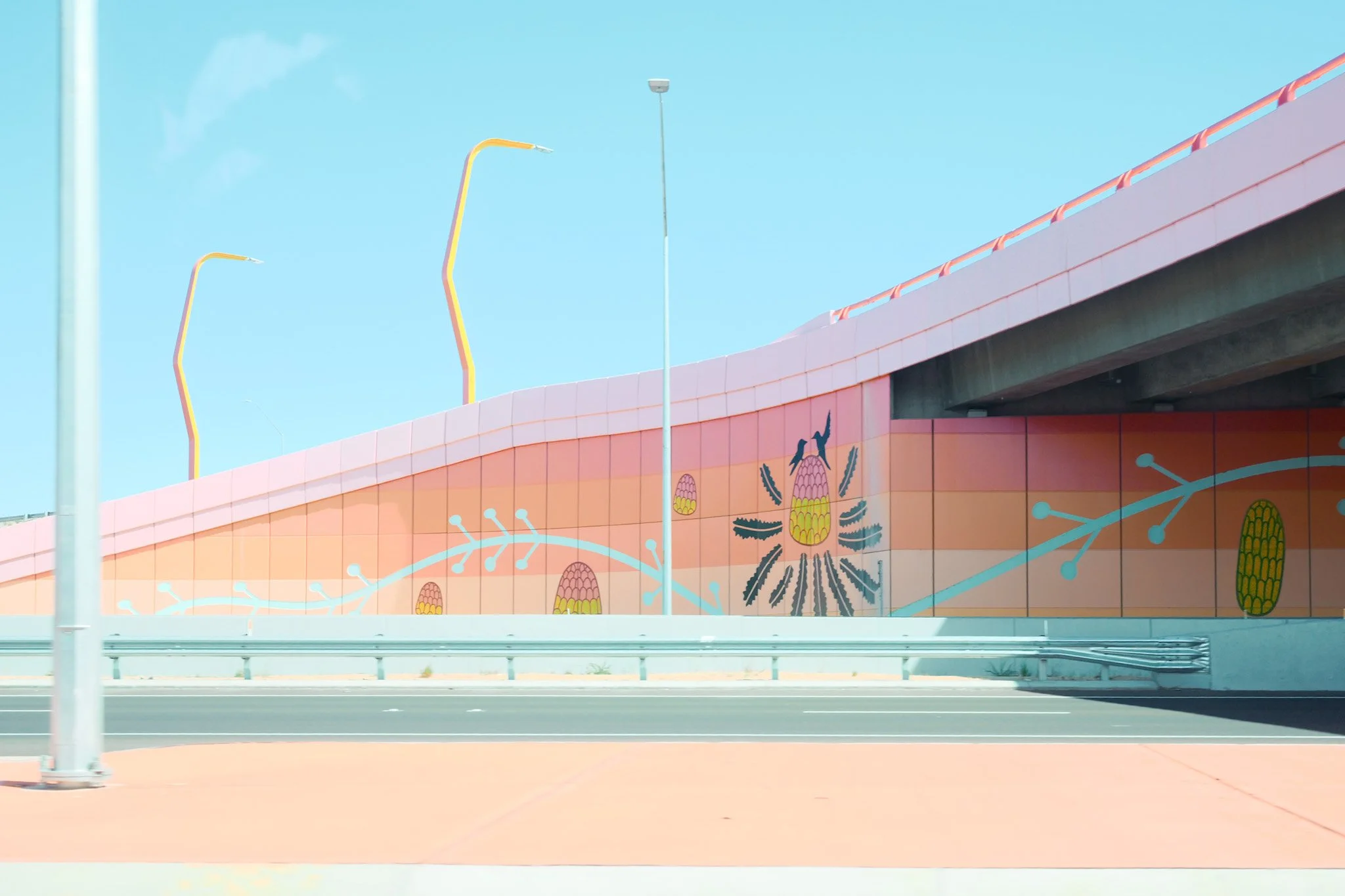
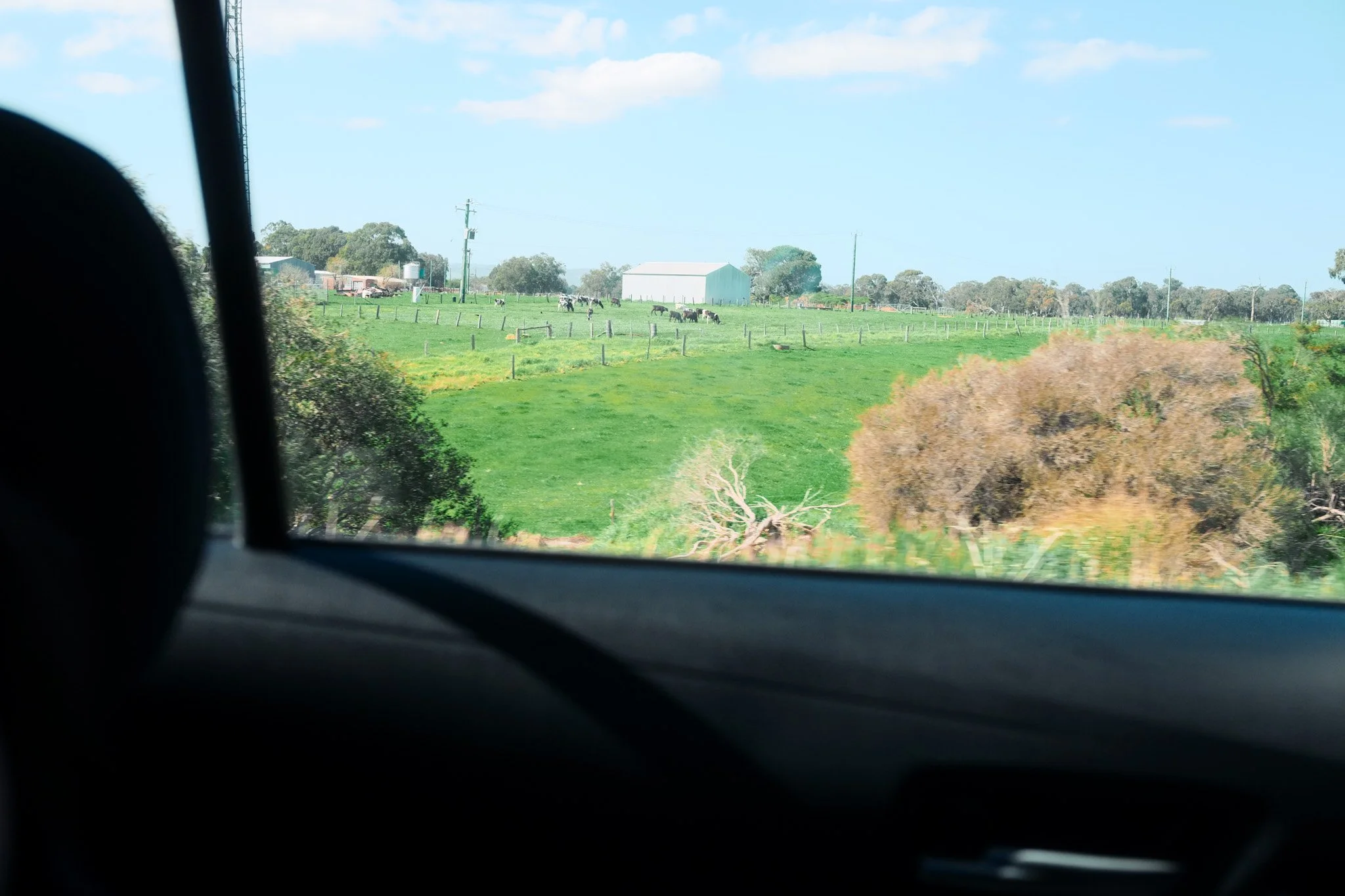
Something in that endlessness invited a different way of seeing. The gaze carried out of Singapore – accustomed to interruption, to always arriving somewhere – began quietly to dissolve. In the city, the eye is forever landing. Here, it had nowhere to land, nowhere to stop. And in that suspension, something subtle shifted. The immensity did not make one feel small. It made one feel strangely spacious.
It was as though the landscape had opened a corresponding space within – some inward clearing not previously known to exist.
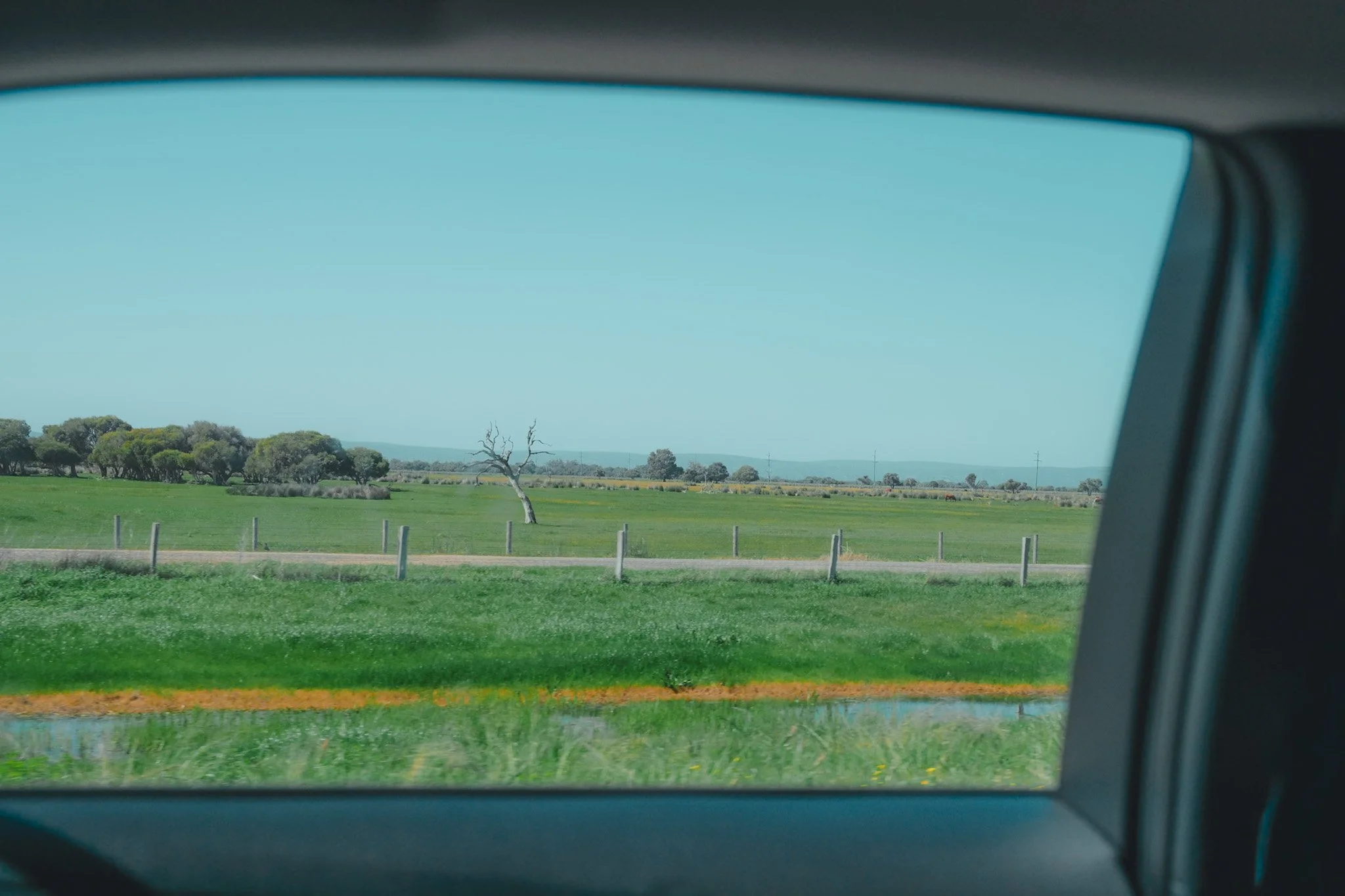
Into that newly made room, a future self, previously obscured by the density of daily life, briefly came into view. Alternate futures surfaced like whales breaching the water, briefly visible before slipping beneath again. What had first felt like distraction revealed itself as another quality of attention, one that required emptiness to function. The mind, like the eye, had finally been given somewhere to travel.
I was doing very little. Seeing, in one sense, almost nothing.
And yet, everything felt possible.
It was somewhere within that stillness that one remembered Gaston Bachelard. In The Poetics of Space, he writes of what he calls intimate immensity — those moments when vastness outside does not diminish the self but awakens an equal vastness within. Certain landscapes do not overwhelm us; they expand us. Before an open sky, an unbroken horizon, or a field that seems to continue beyond measure, one does not feel reduced. One feels enlarged inwardly, drawn toward forgotten chambers of the self that ordinary life leaves unopened.
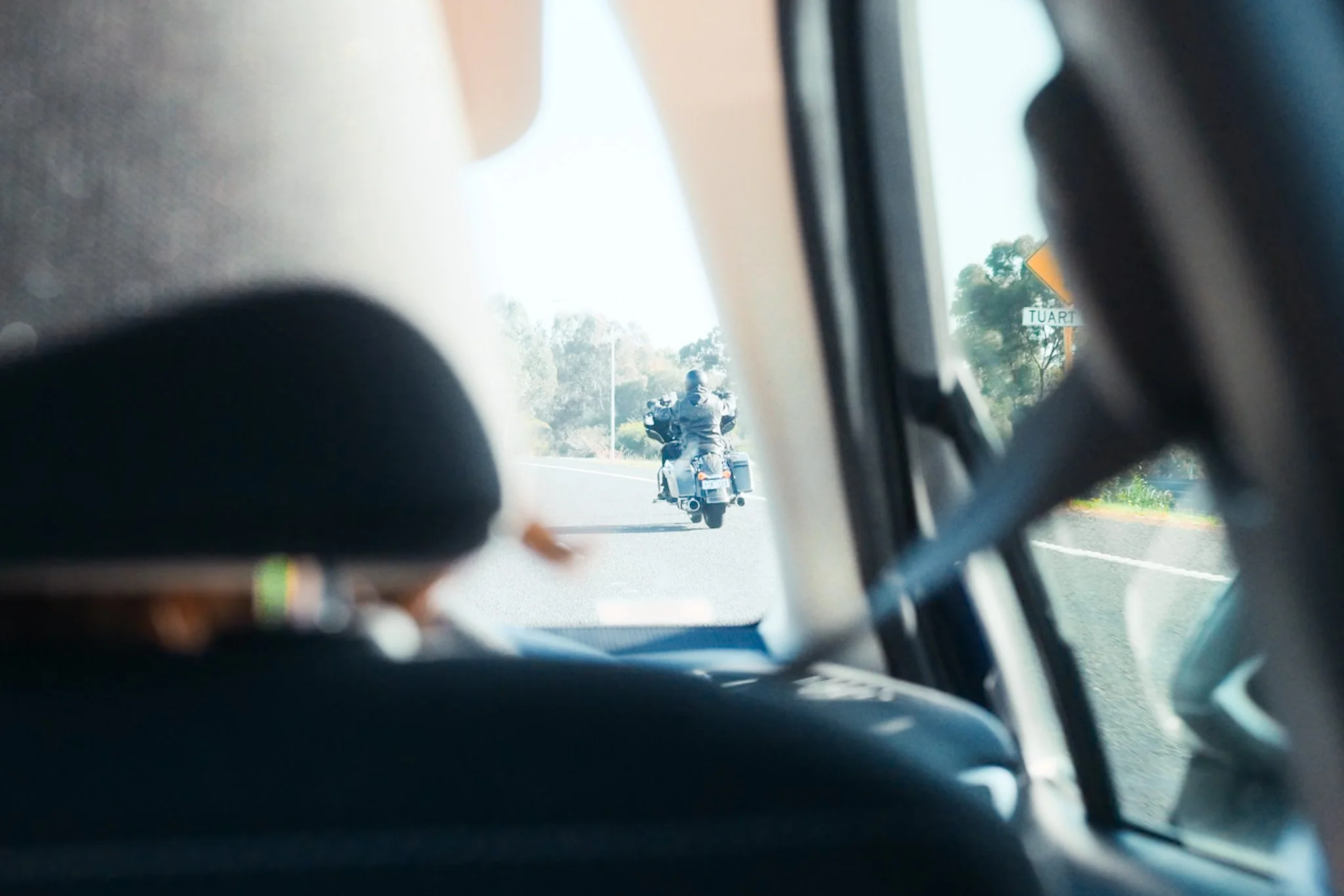
I’ve encountered these words before and understood them in the abstract, as one often understands ideas before experience catches up. But sitting in that moving car, the ocean extending endlessly to the left, I felt Bachelard’s meaning for the first time.
The landscape was not merely beautiful. It was doing something.
It was opening an interior.
The rêverie Bachelard describes – a form of daydreaming that is less escape than encounter – unfolded quietly in real time: whales surfacing in the distance, the rhythm of the road, the horizon asking for nothing except duration. Emptiness, one realised then, is not absence. It is the condition through which certain kinds of presence become possible.
Singapore looked exactly the same upon return.
The buildings still claimed every sightline. The reserves still had their borders and opening hours. At the edge of the island, the sea remained lined with ships, the horizon still occupied.
And yet something had changed.
For the first time, one noticed how narrow the gaze had become – not through any failing of the city, but through habit. When everything is full, the eye forgets to expect otherwise. It learns to work within what is given, no longer reaching toward what lies beyond it. Perhaps Bachelard would recognise this too: a self that forgets its own interior vastness because nothing outside has called it forth for so long.
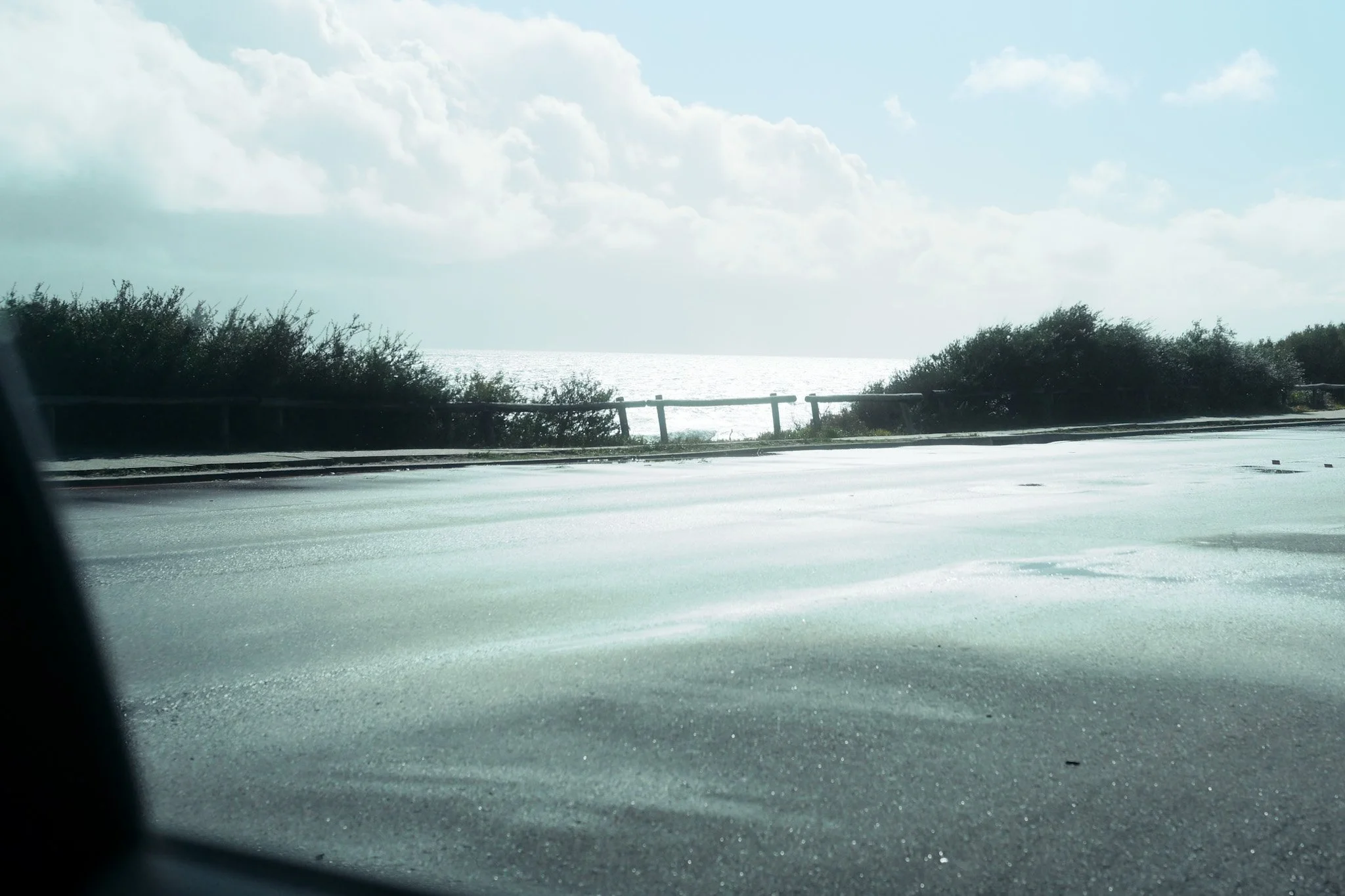
The road had done something literal to vision.
It had stretched it.
Across farmland. Across open water. Toward a vanishing point that demanded nothing except patience.
And in that prolonged looking, something quietly returned the gaze – not from the horizon itself, but from somewhere much nearer.
I came back to the same city.
But carried the road along with me: that long, unhurried stretch of apparent nothingness that, somehow, had made room for everything.
TEXT AND IMAGES BY ANATOMY OF THINGS