
Between Presence and Absence
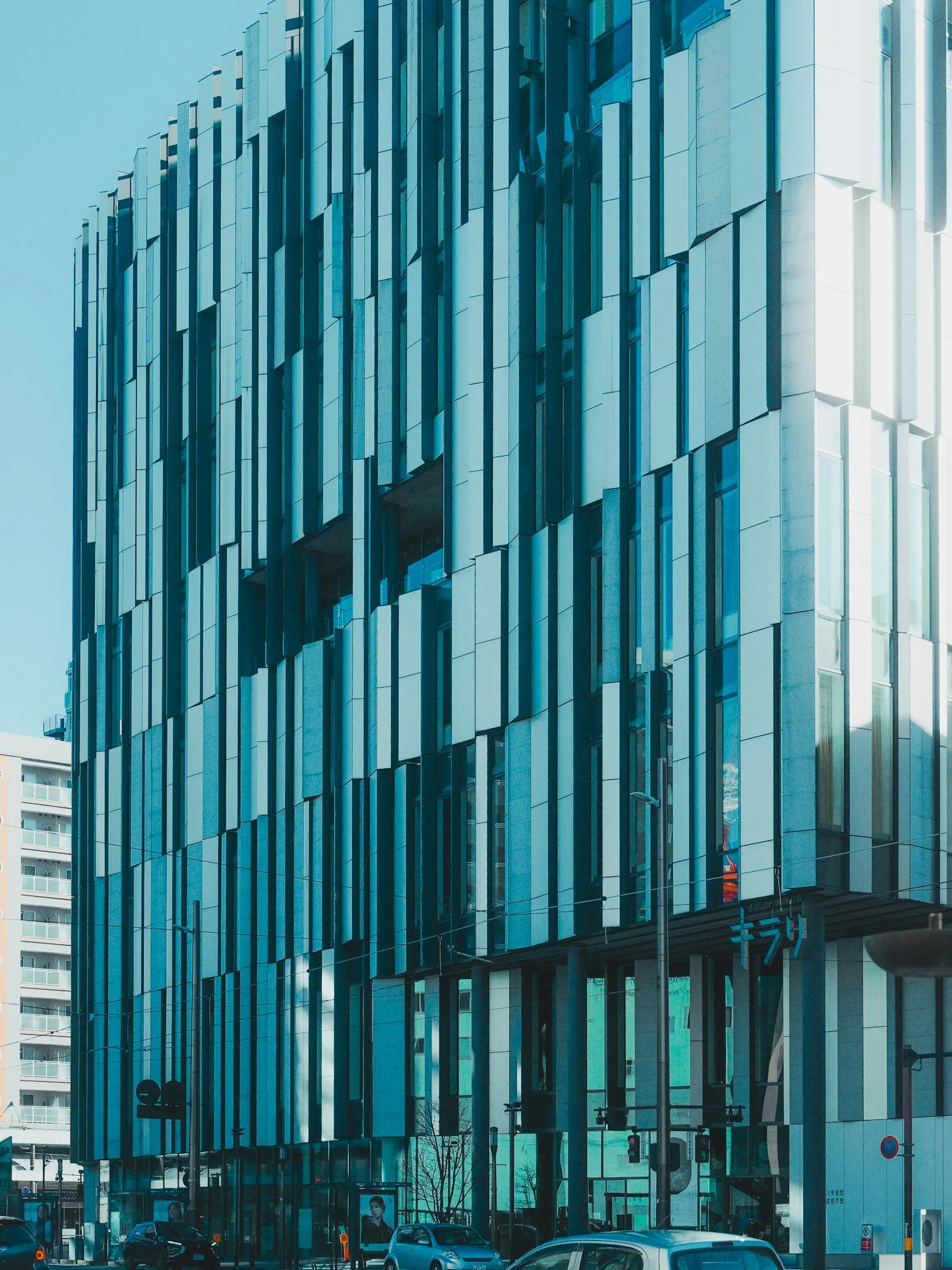
Toyama was not always known for beauty. For much of its history, the city's relationship with glass was entirely practical: the delicate vials that carried its famous medicines across Japan, peddled door to door by traveling vendors whose trade stretched back more than three centuries. Glass, here, was a vessel for something else.
But means have a way of becoming ends. As the industry quieted after the war, what remained was a latent fluency, a city that had long known how to work with light, heat, and fragile material. Over the following decades, Toyama gradually transformed itself. The opening of the Glass Art Museum in 2015 marked the culmination of that effort, and with it, Toyama became, fully and officially, a city of glass.
Last December, we had the opportunity to visit Toyama. Partly, we came for the Tateyama mountain range, whose snow-covered peaks rise beyond the city like a distant horizon of white. Toyama seemed an obvious place from which to admire them.
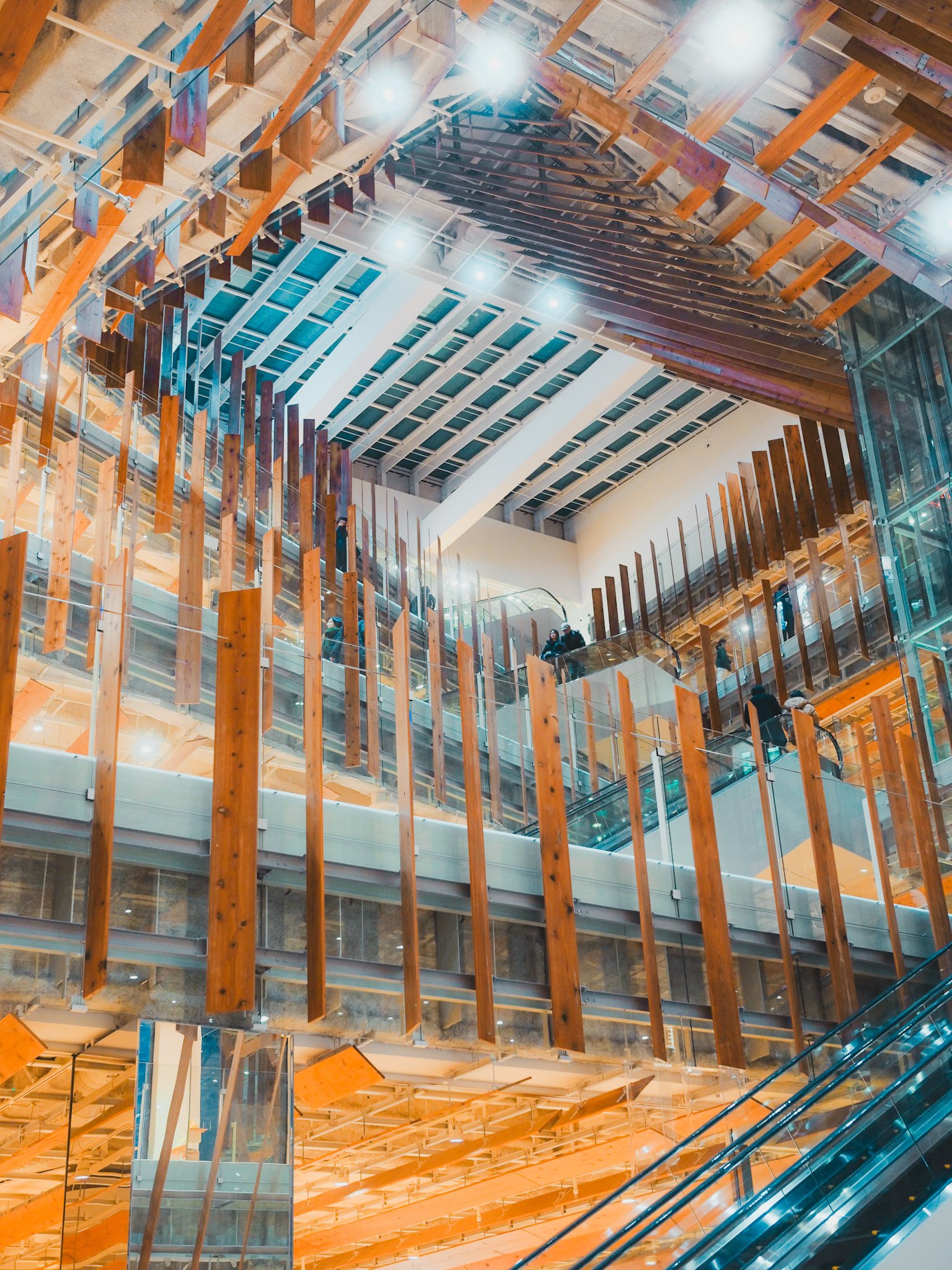
The second reason was our love for glass.
Glass has always held a particular fascination for me. Of all materials, it comes closest to nothingness, present yet barely there. To hold a piece of thin blown glass is to feel how little separates touch from air, how close a thing can come to vanishing while still remaining whole. Unlike wood, stone, or metal, glass rarely announces itself through weight or opacity. It exists in a more uncertain state, suspended somewhere between presence and absence.
Yet glass reveals itself most fully through what surrounds it. Not only in the light it admits, but in the shadows it casts. It bends, gathers, and redirects light, creating effects that seem to belong as much to atmosphere as to the material itself. Perhaps this is why glass rewards a particular kind of attention. It seldom demands to be looked at directly. Instead, it asks us to notice what appears around it.
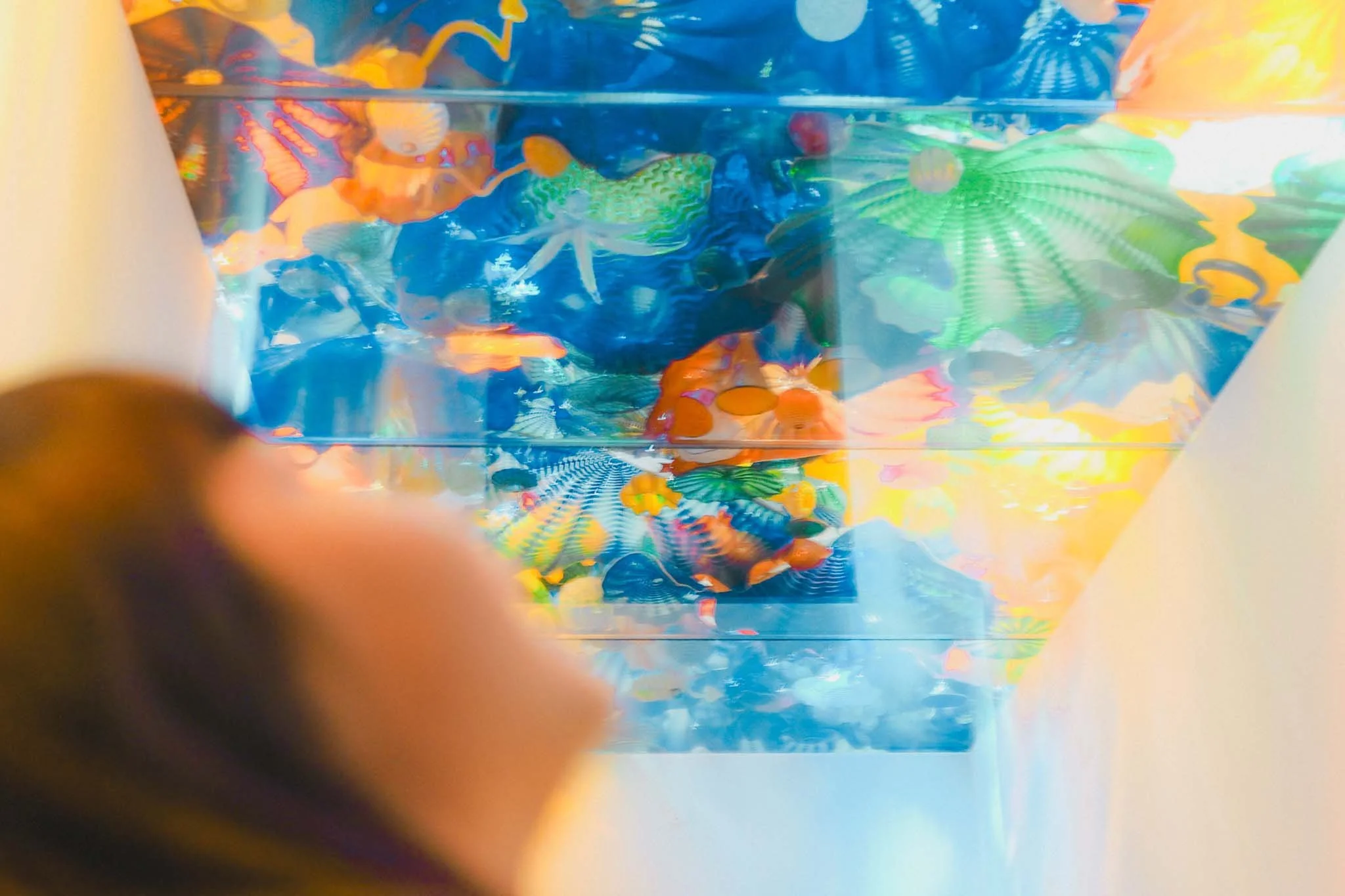
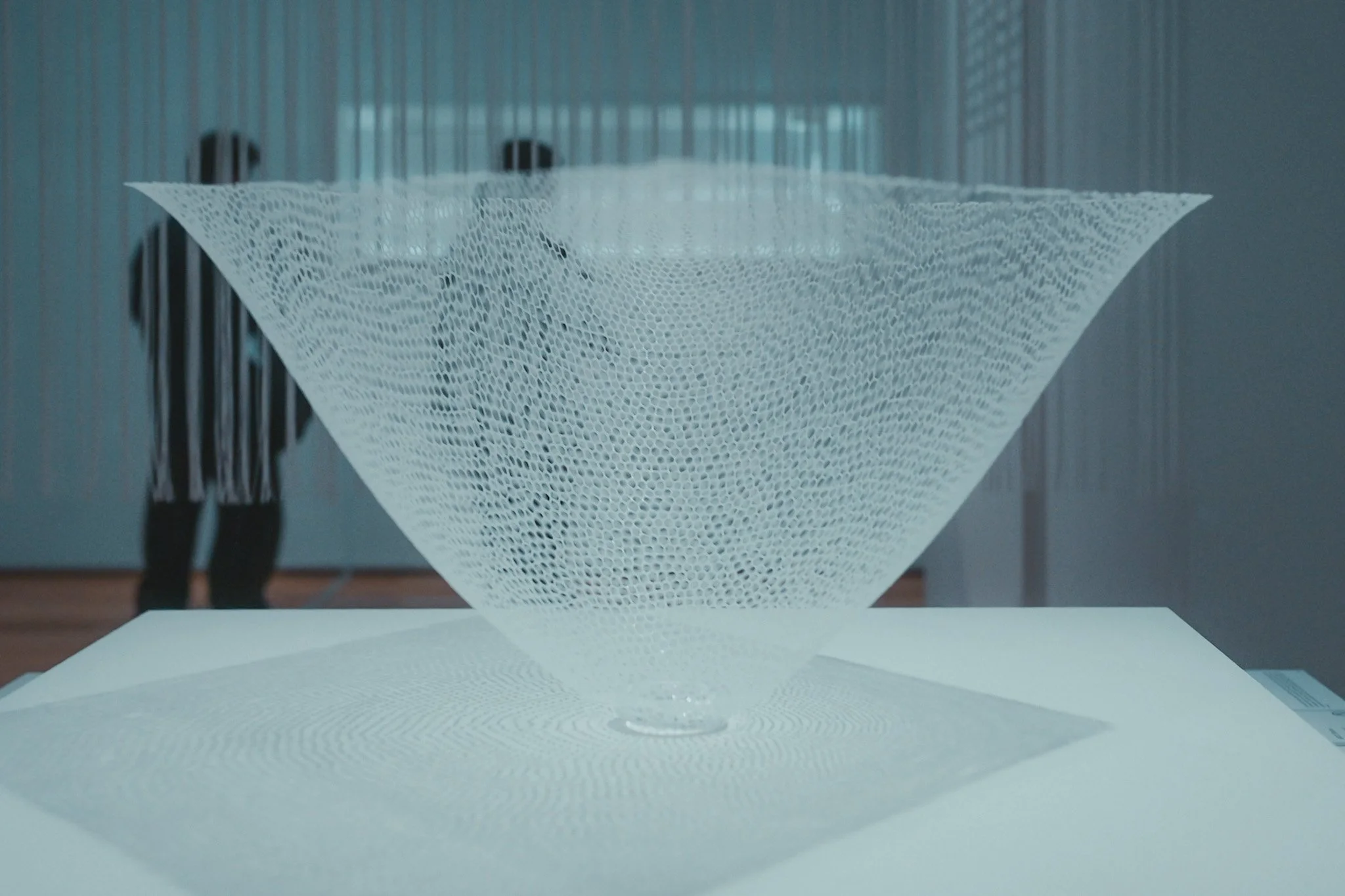
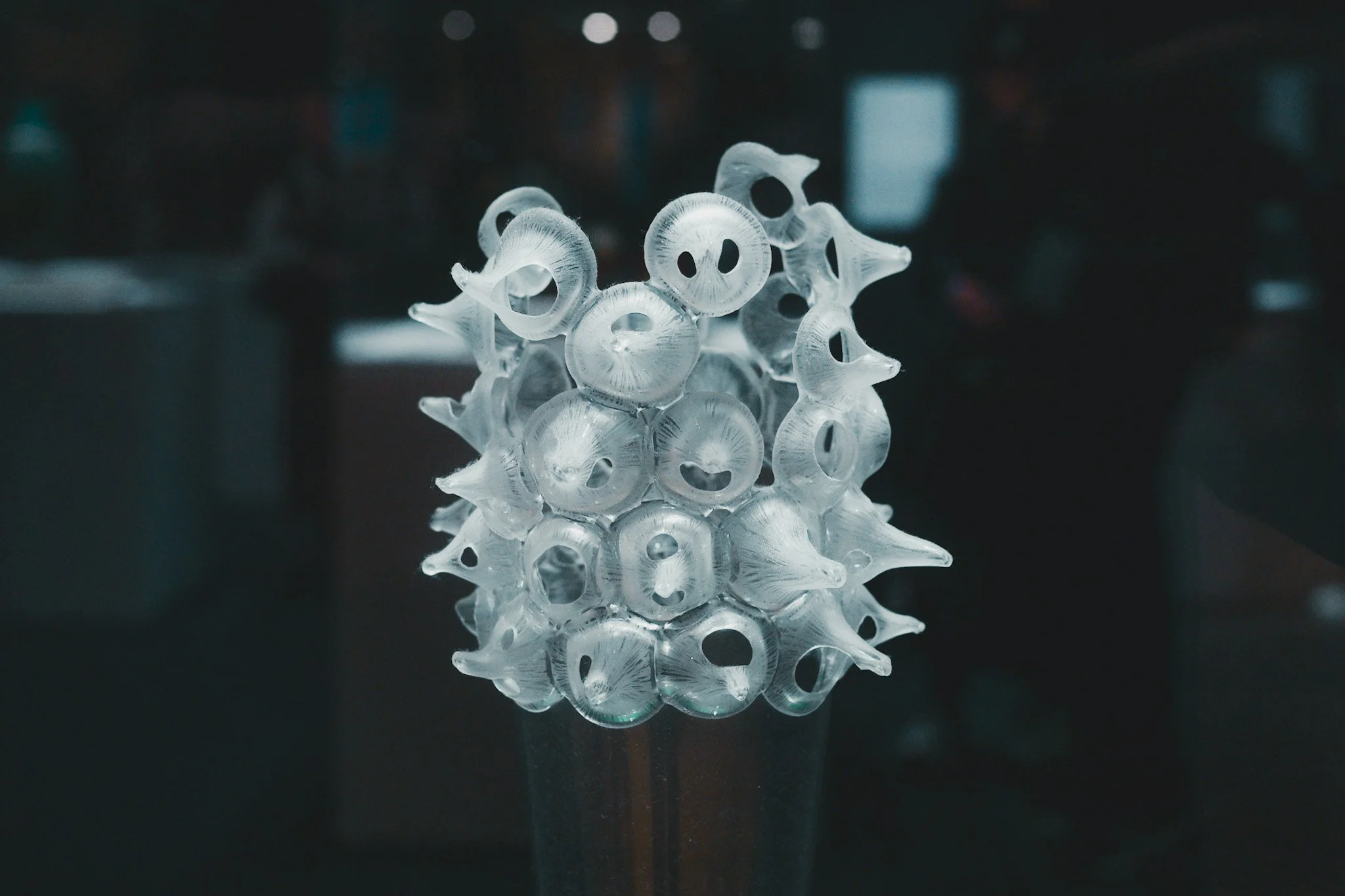
A visit to the Glass Art Museum only deepened this fascination. There is something admirable about a museum devoted entirely to a single material, a kind of institutional devotion that allows glass to reveal itself slowly and completely.
Equally moving was the contrast between glass as it once was and glass as it is now: the humble medicine vials alongside works of extraordinary ambition; the functional beside the transcendent. The distance between them stretched my understanding of what the material could hold.
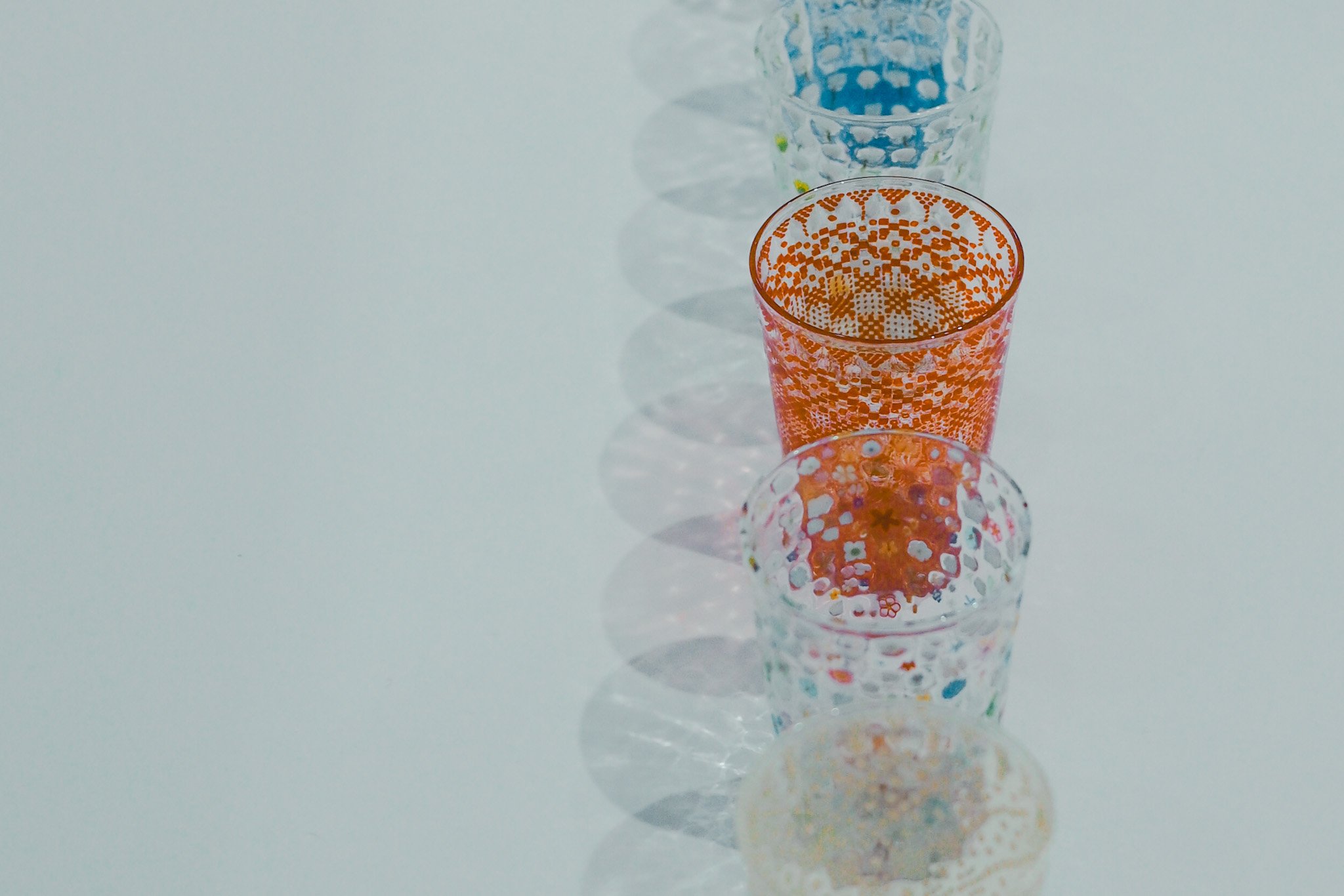
What moved me most, however, was not the objects alone but their shadows.
Because glass bends and gathers light in the way it does, every piece carried beside it a second presence. Shadows stretched across walls and floors, compressing and expanding as one moved through the gallery. Some appeared delicate as smoke; others became dark architectures of their own.
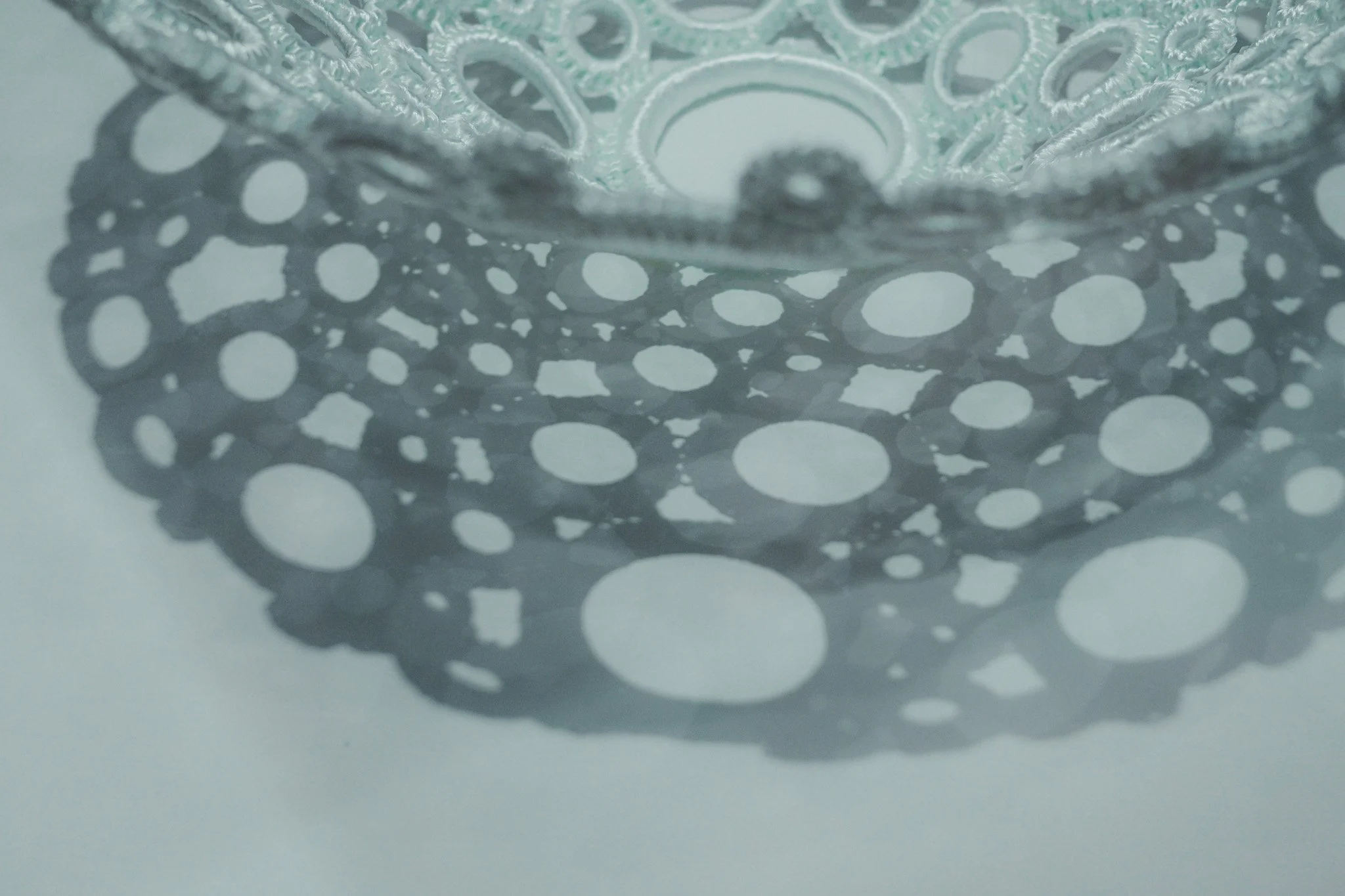
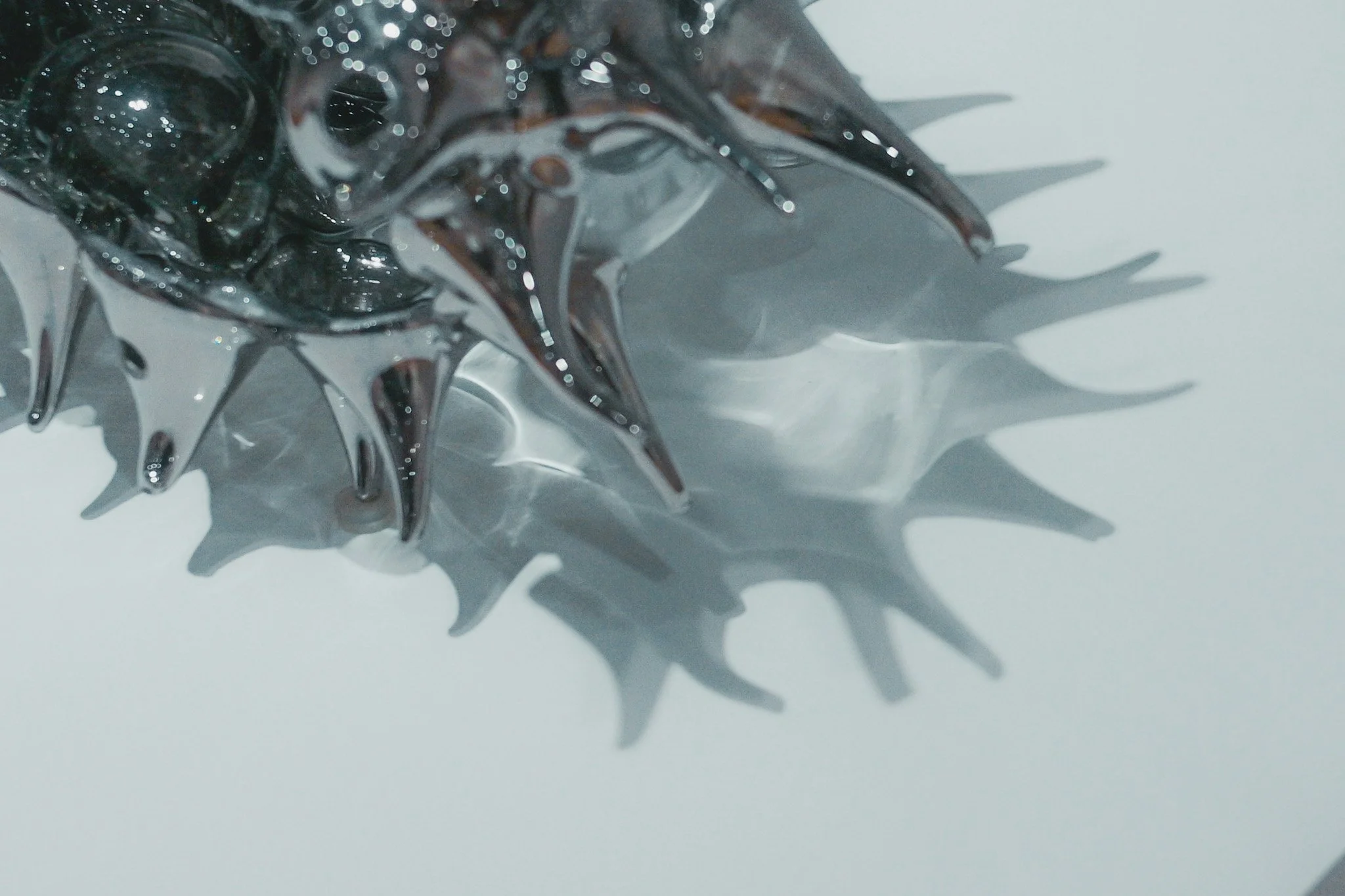
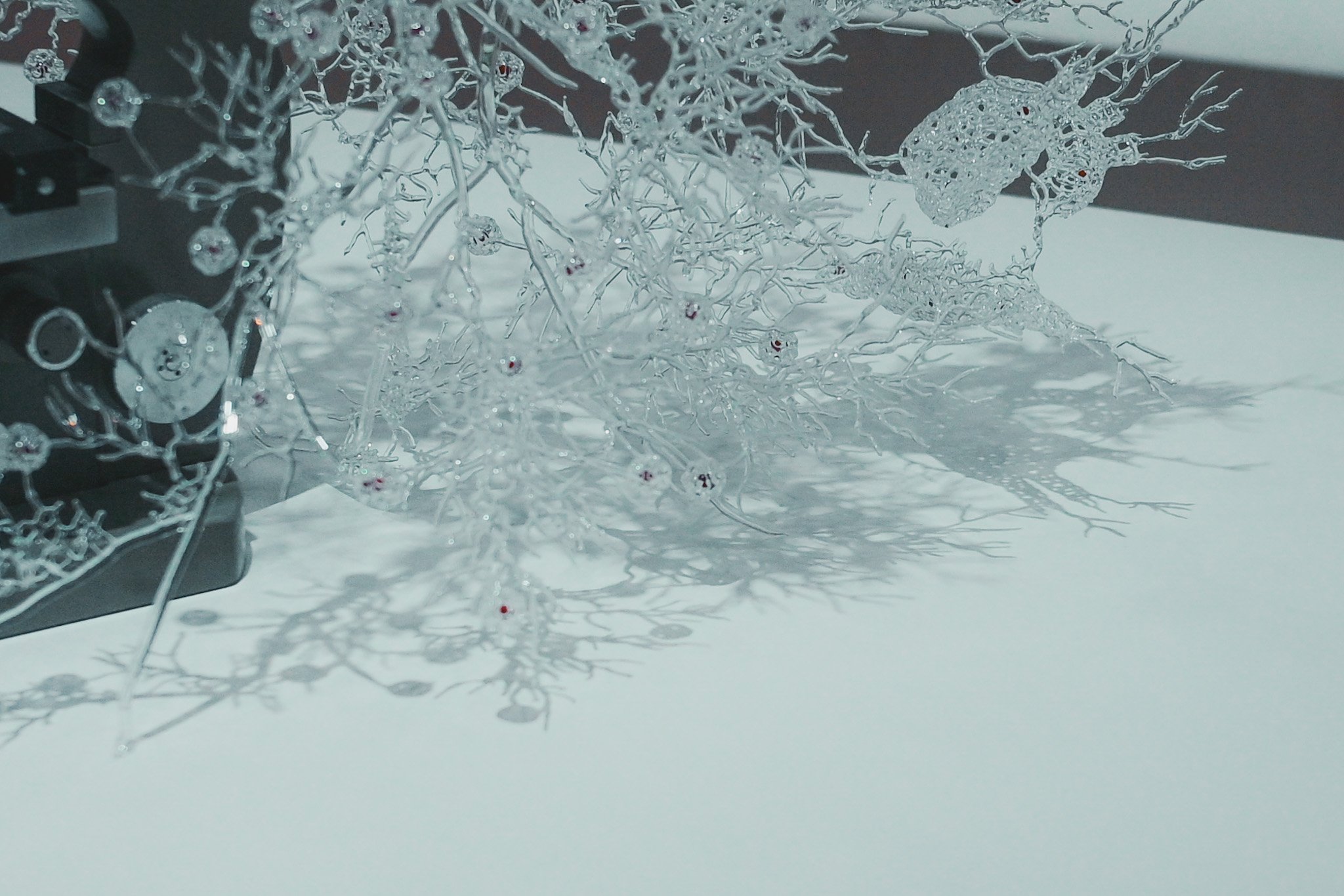
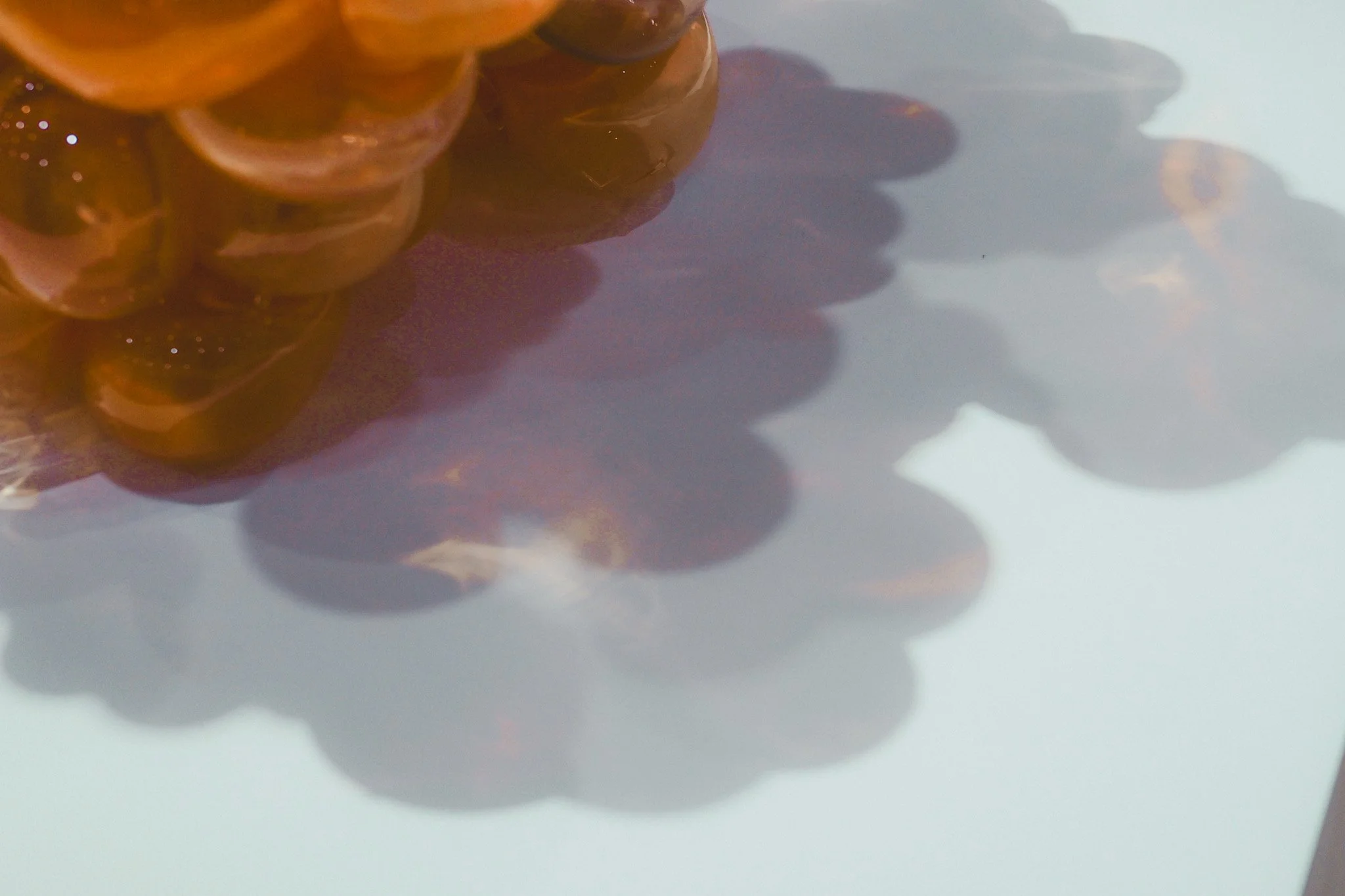
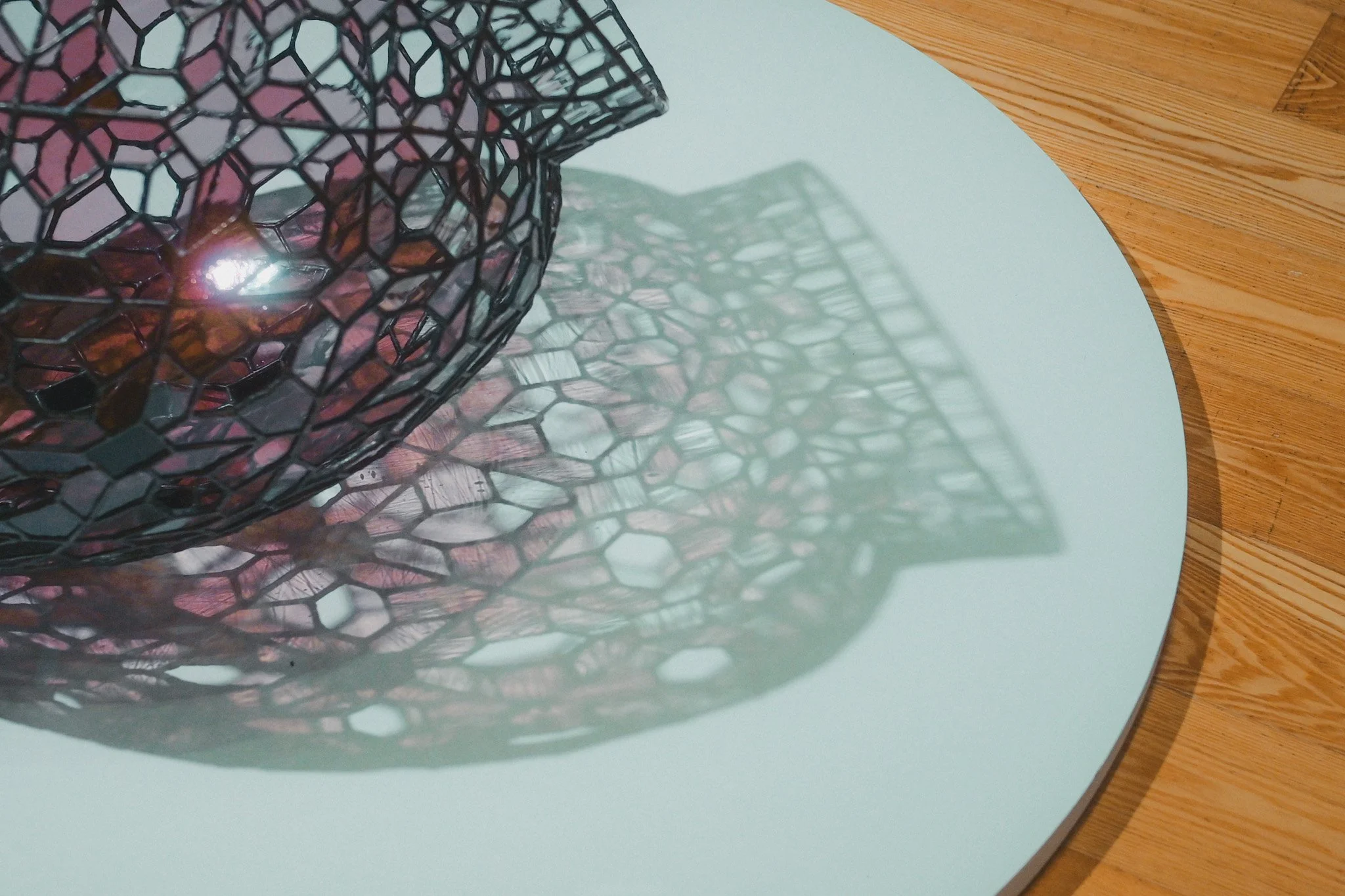
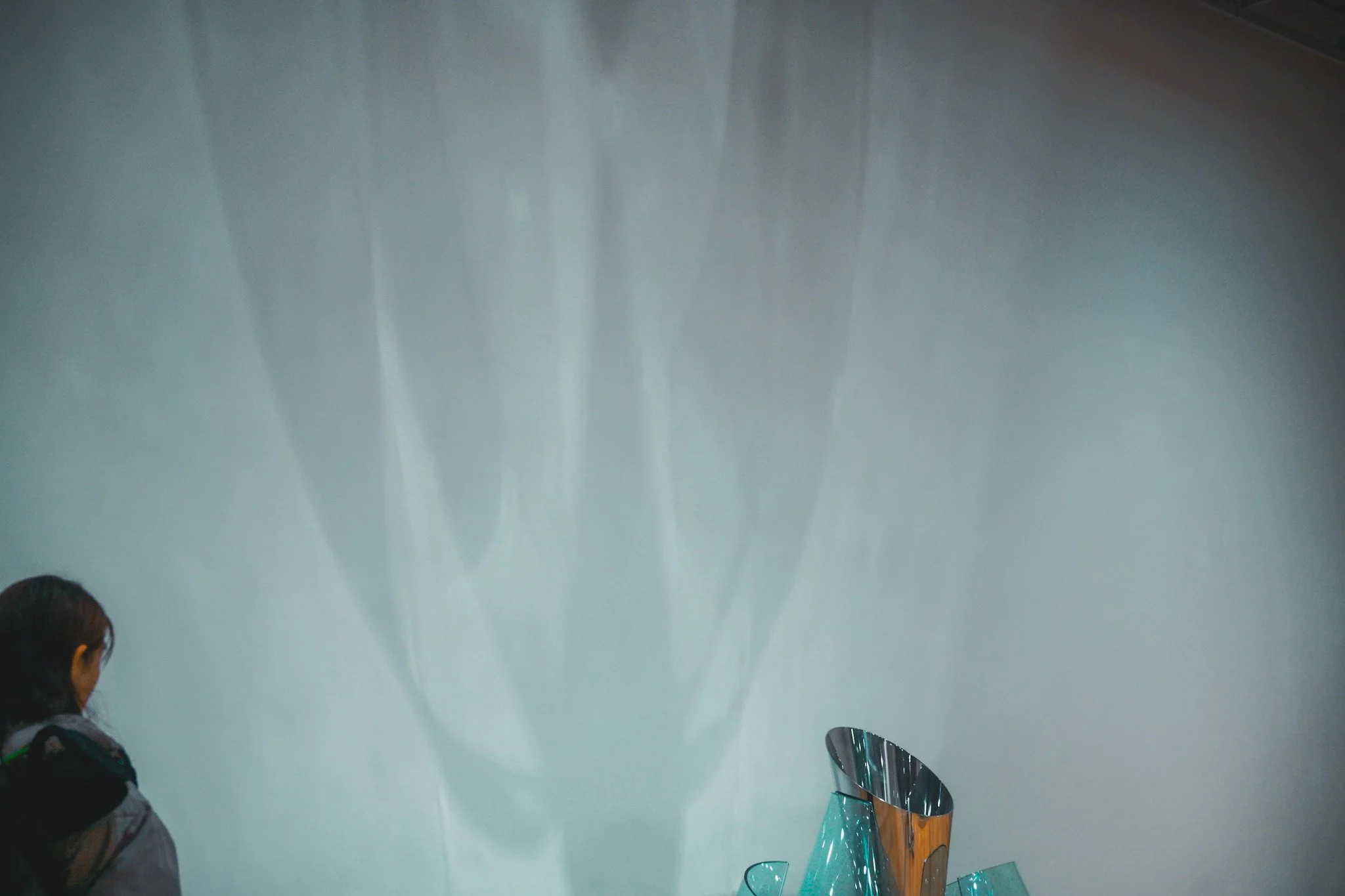
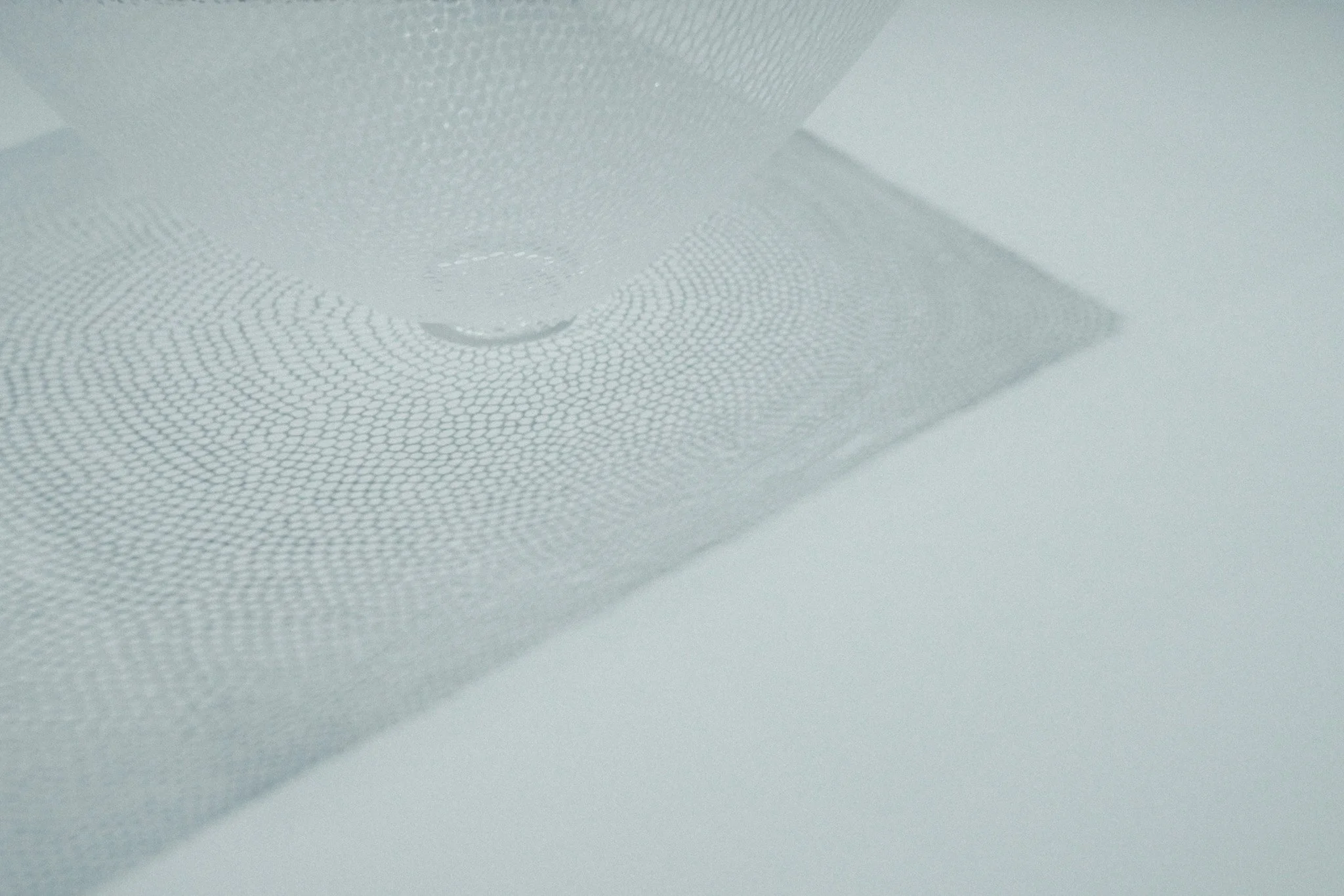
At times, the shadows seemed more mysterious than the works themselves. The object remained fixed, but its shadow wandered. One belonged to matter; the other belonged to light.
Gradually, it felt as though there were two exhibitions unfolding at once. The first was composed of glass: deliberate, crafted, carefully placed. The second was composed of fleeting darkness, endlessly remade by light and movement. One could be collected, catalogued, and preserved. The other existed only for an instant before dissolving.
The second exhibition asked nothing of its visitors except that they slow down enough to notice. It was unplanned, transient, and impossible to possess. Yet it lingered long after the objects themselves.
Of all materials, glass comes closest to nothingness. It seems always on the verge of vanishing, content to surrender itself to light. Yet in doing so, it reveals an entire world of shadows, reflections, and fleeting apparitions. Its greatest presence lies precisely in its disappearance.
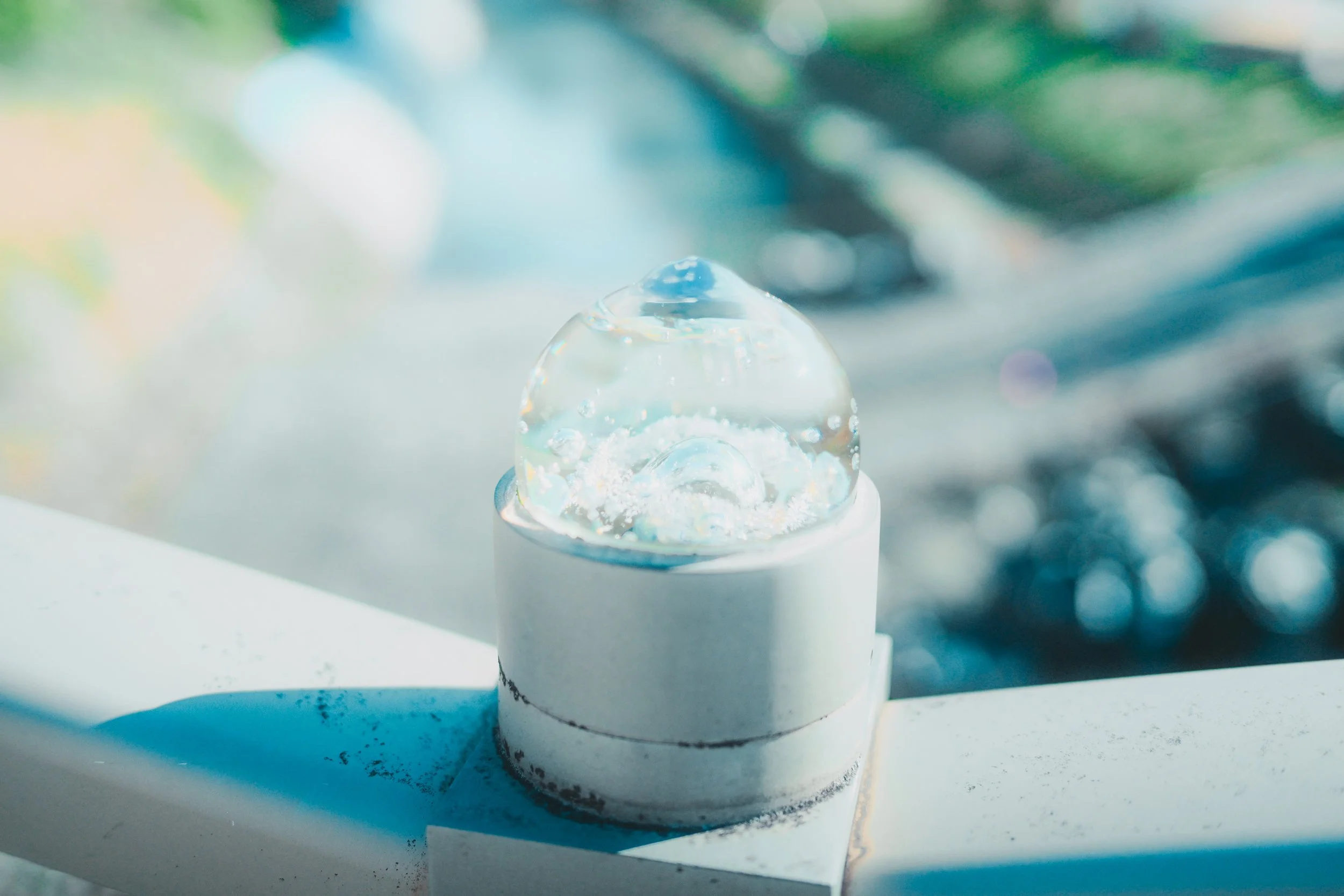
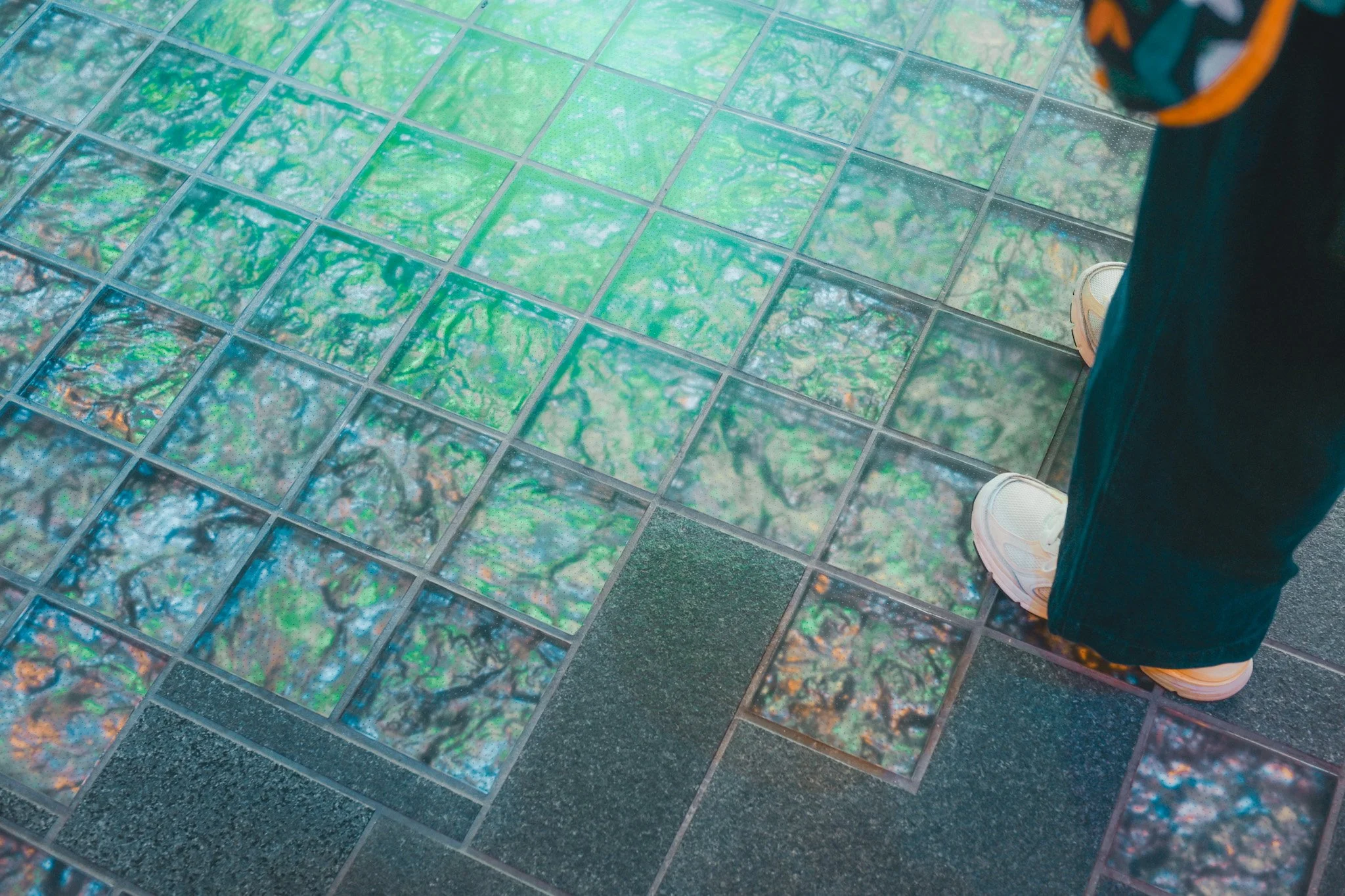
If museums are not your thing, simply wander. Before long, the city begins to reveal its devotion to glass. It appears in unexpected places, catching the afternoon light, reflecting fragments of sky, quietly transforming ordinary corners into moments of attention. One begins to understand that Toyama is not merely a city that makes glass, but a city that has learned to think with it.
TEXT AND IMAGES BY ANATOMY OF THINGS