
The Romance of Daily Life
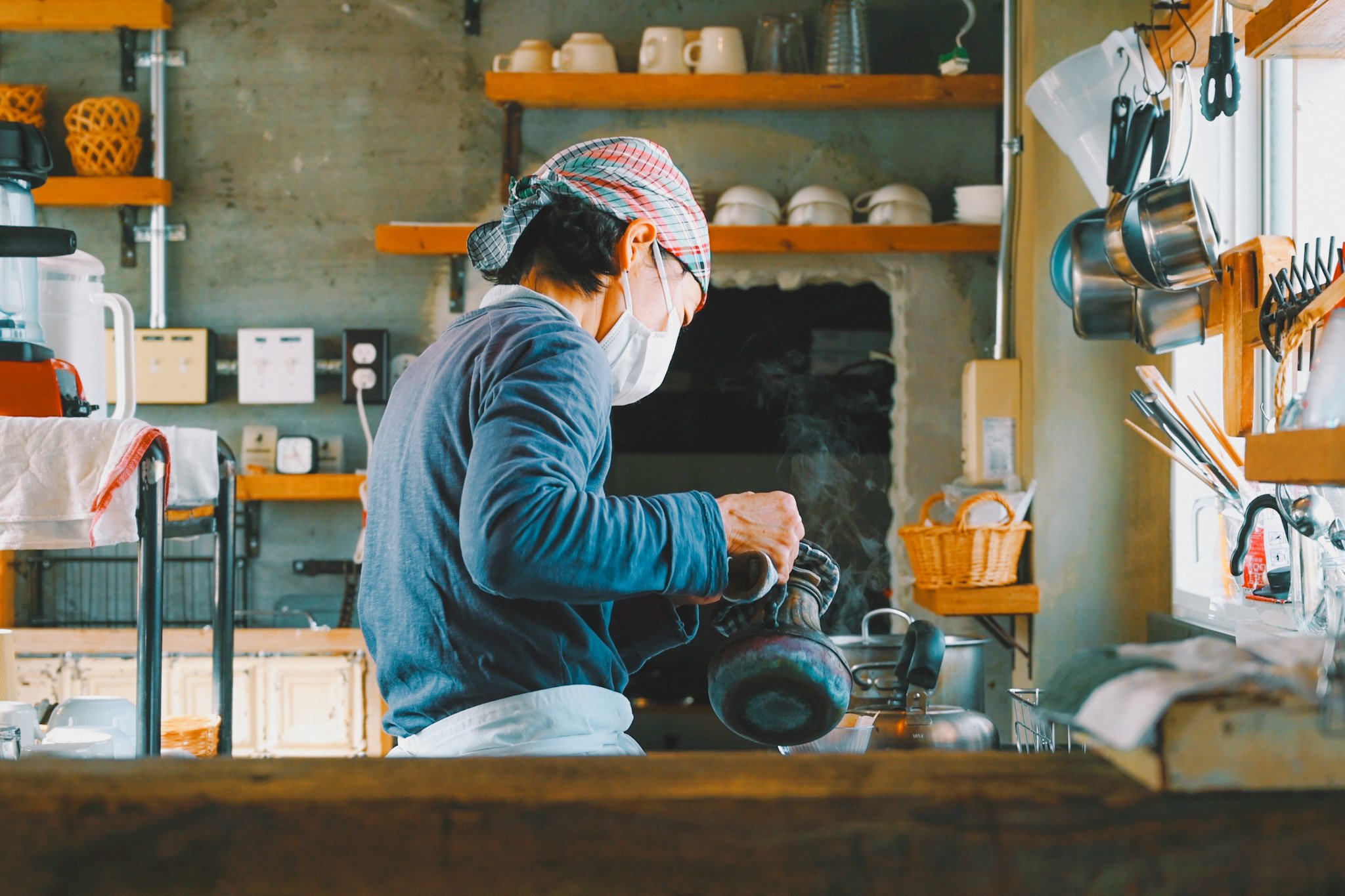
Somewhere along the way, we began documenting the ordinary.
Through vlogs, photo journals, and social media, people have started recording the parts of the day that have no event in them at all: preparing breakfast, commuting to work, watering plants, walking home. Moments that, once, would have passed unnoticed are now given a place in our camera rolls, as though they were worth remembering after all.
Recorded once, any of it is unremarkable. An ordinary morning remains an ordinary morning. Yet something curious happens when the same kinds of moments are recorded again and again. Rather than becoming repetitive, they become strangely compelling. Why? It cannot simply be because the moments themselves have become more interesting. Most days resemble the ones before them. The same route. The same meal. The same quiet hours between waking and sleeping. What changes is not the routine itself, but our relationship to it. I think this is where the romantic actually lives.
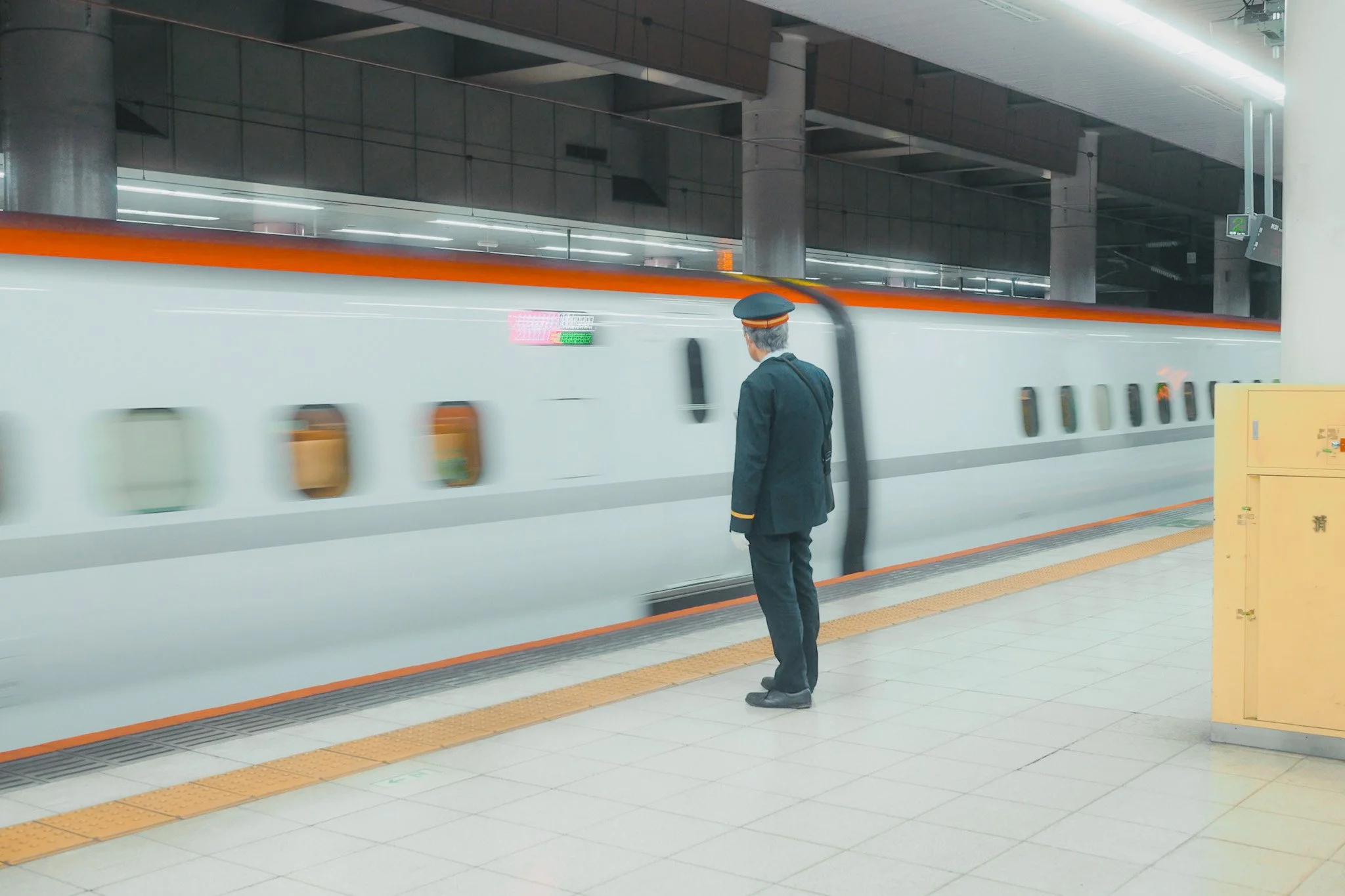
Repetition quietly transforms the ordinary into a reference point. Once something repeats often enough, even the smallest variation begins to register against it. The changing light through a familiar window. A slower walk than yesterday. An extra minute spent lingering before leaving the house. Difference becomes visible only because sameness has given it something to emerge from.
We tend to reserve the word romantic for what happens between people. But there is another kind of romance – one that grows not between two people, but between a person and the ordinary life they continue returning to. The things that make up most of our days rarely arrive carrying significance. They ask only to be done, and then forgotten. Whatever beauty they possess is rarely immediate. It appears only after enough repetition, and enough attention, that routine begins revealing the quiet differences it had concealed all along.
Perhaps this is the real mechanism behind what people call romanticizing your life. Romance does not precede the routine. It is produced by it. We cannot become attached to what we have never first returned to.
Which is why I find the word chore more honest than ritual.
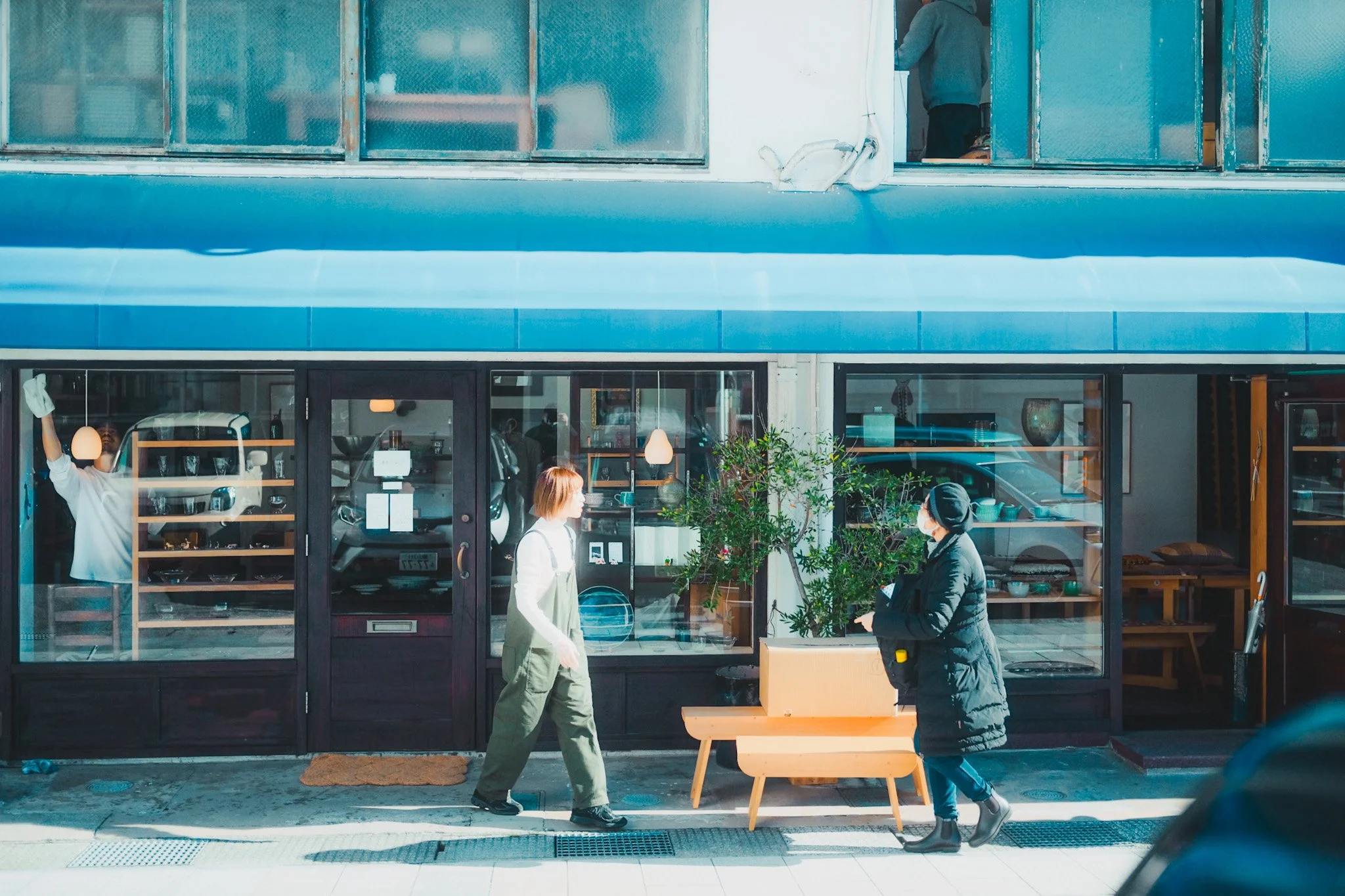
A ritual already assumes meaning. Weddings, birthdays, and New Year's countdowns arrive carrying significance before we participate in them. A chore carries none. It is indifferent to us. The meal still needs preparing. The floor still needs sweeping. The laundry still needs folding. None of them asked to become meaningful.
If romance can survive contact with something so indifferent, it is no longer decoration. It becomes a discipline. A discipline does not arrive on its own, the way a mood does. It has to be returned to, whether or not it rewards you that day.
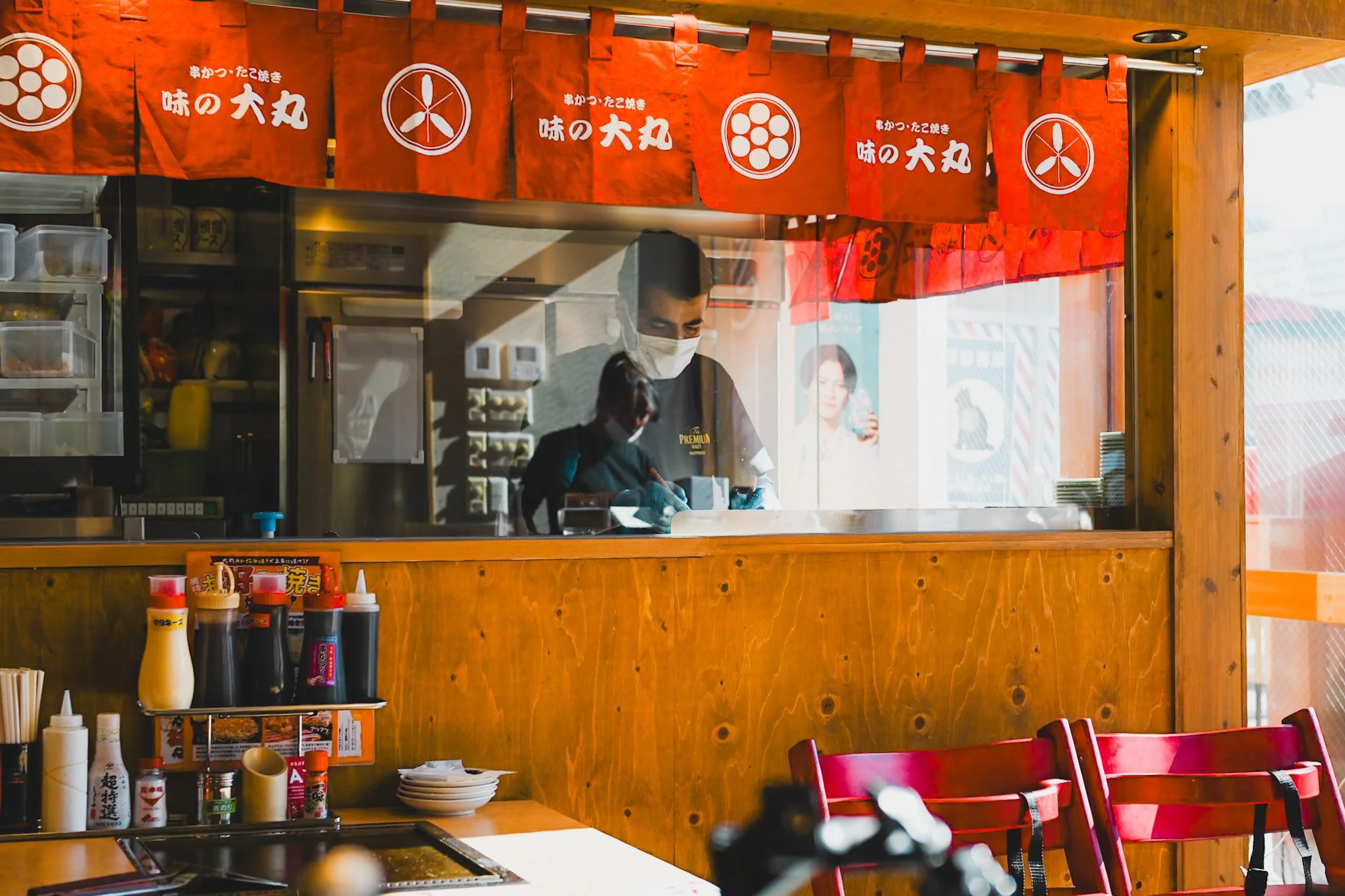
It is worth admitting plainly what most lives are actually made of. Life is not, in practice, a sequence of memorable occasions strung together. It is mostly the unglamorous middle – the recurring tasks, the familiar routes, the things we rarely think to remember. If there is a lasting joy available in a life built like this, it may not come from waiting for extraordinary moments to arrive more frequently. It may come from returning to ordinary ones often enough for them to slowly disclose themselves.
I only began to understand this after I started documenting myself preparing dinner.
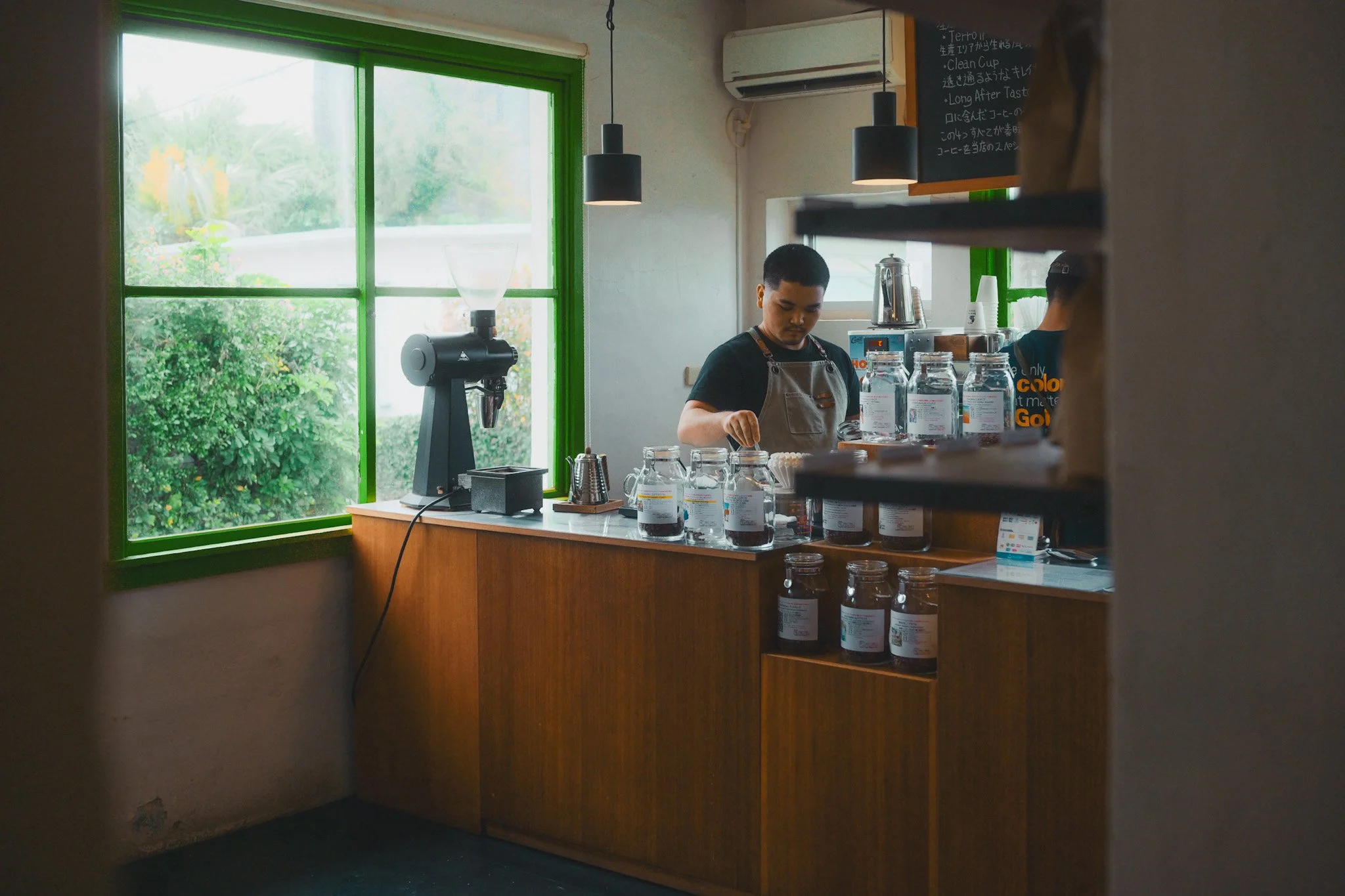
For years, it was exactly the kind of chore that asked nothing of me except to finish it. It changed only after I watched it back. We rarely get to observe ourselves performing an ordinary task from outside our own hands. Looking back at what I had recorded, a rhythm became visible that I had never noticed while I was inside it. Some evenings moved with an ease I hadn't intended. Others felt hurried in ways I couldn't have named at the time. The work itself had not changed. My relationship to it had. It became something whose rhythm I found myself wanting to refine – not because anyone else would see it, but because I had begun seeing it myself.
If a chore can be returned to until it discloses affection, perhaps this is true of people too. Perhaps affection is formed this way more often than we realise.
We like to think we first fall in love, and only then return. But perhaps the order is usually reversed. We return first. To the same streets. The same neighbourhood. The same café. The same kitchen. Slowly, almost without noticing, familiarity becomes intimacy, and intimacy becomes affection.
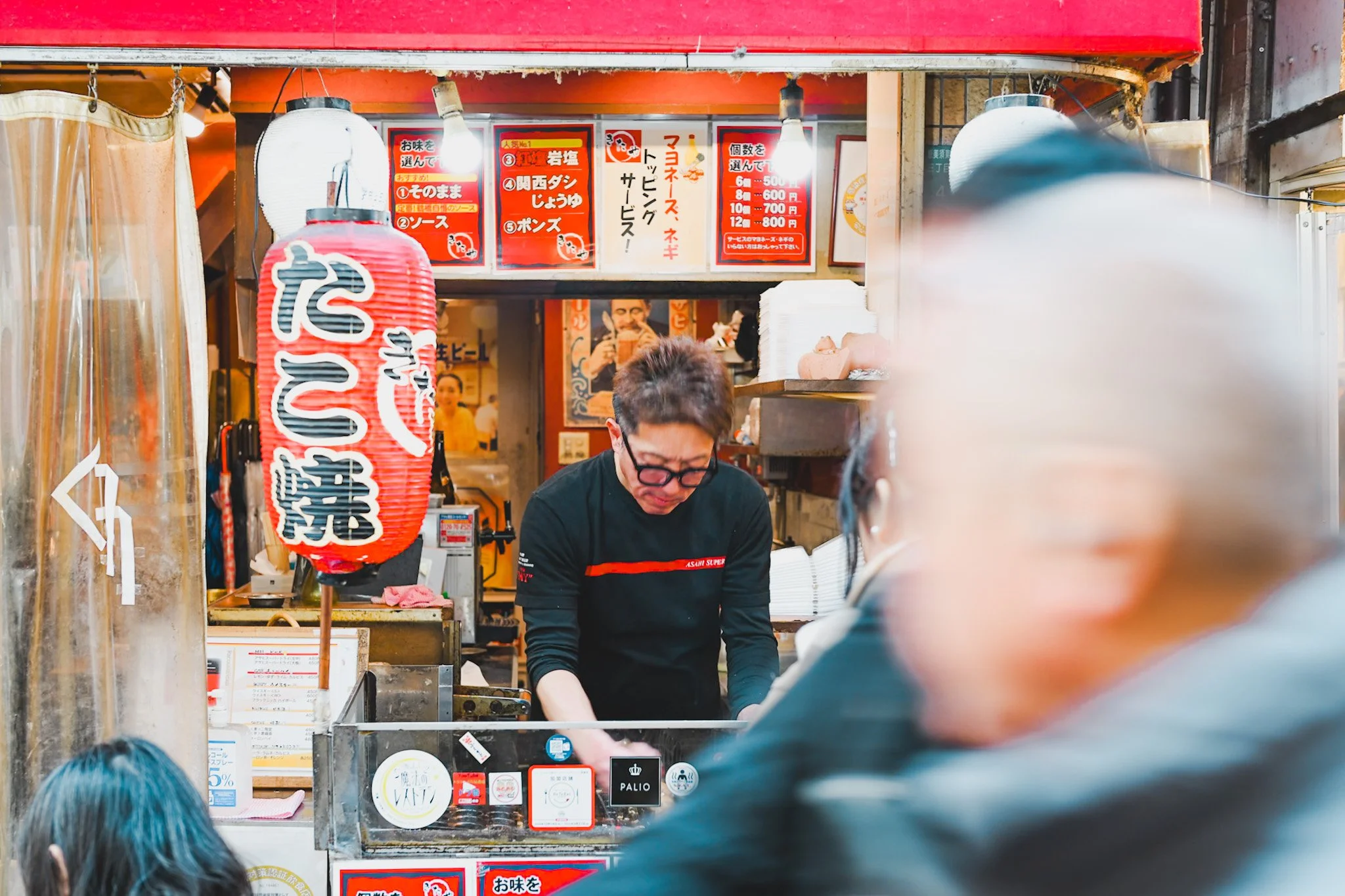
Romance, then, is not a feeling that arrives before attention. It is what attention becomes after enough time.
Most of a life is made of chores, not occasions. If romance can only be found in occasions, then most of a life goes unlit.
I would like to end here having practiced this well enough to prove it. Mostly what I have are the ordinary mornings – the ones where nothing seemed especially meaningful, and nothing arrived asking to be remembered. Whatever romance there is in a life like this seems to live less in the moments of noticing than in the decision to return the next day, uninvited and unrewarded, to look again anyway.
TEXT AND IMAGES BY ANATOMY OF THINGS
