
The Weight of Small Things
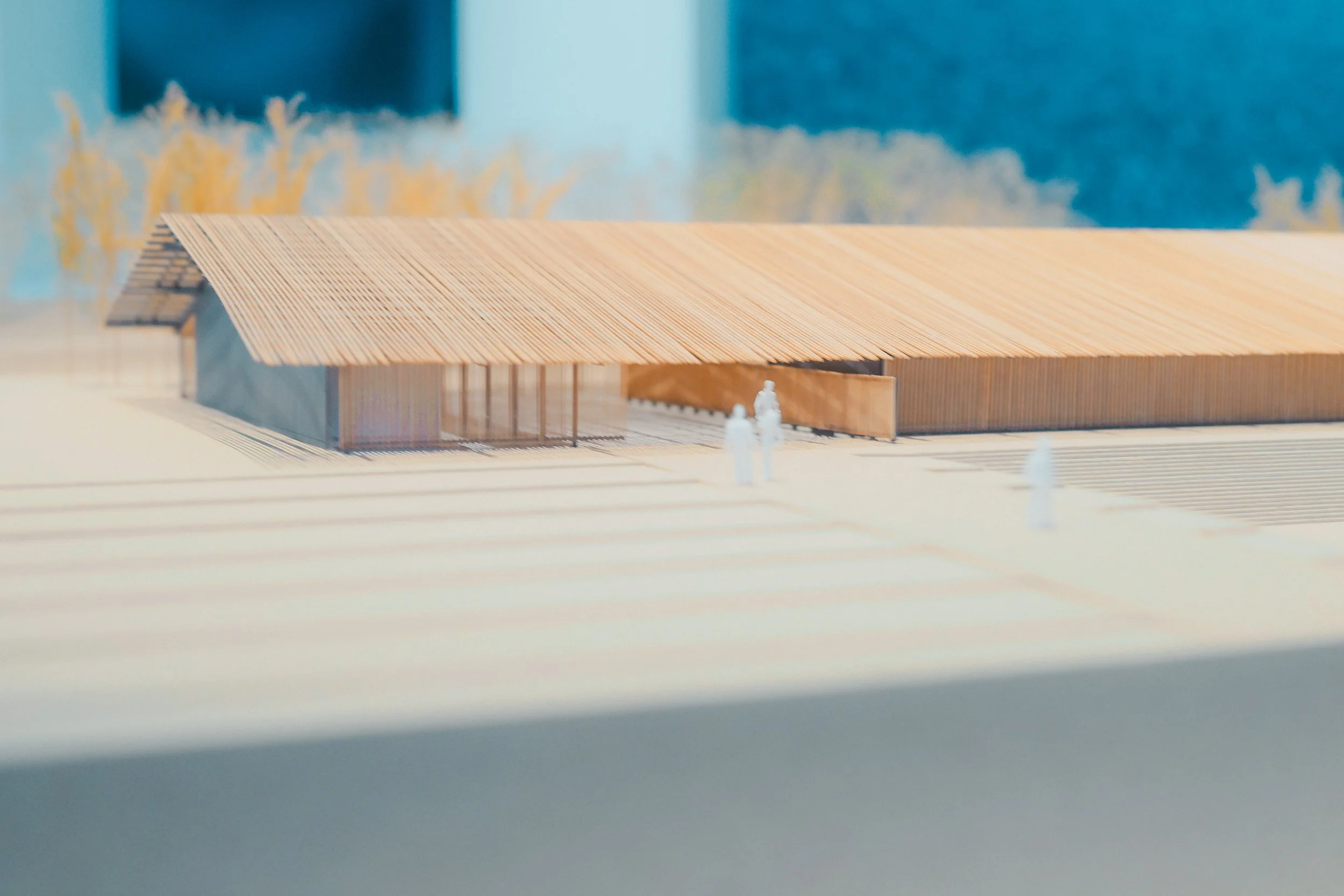
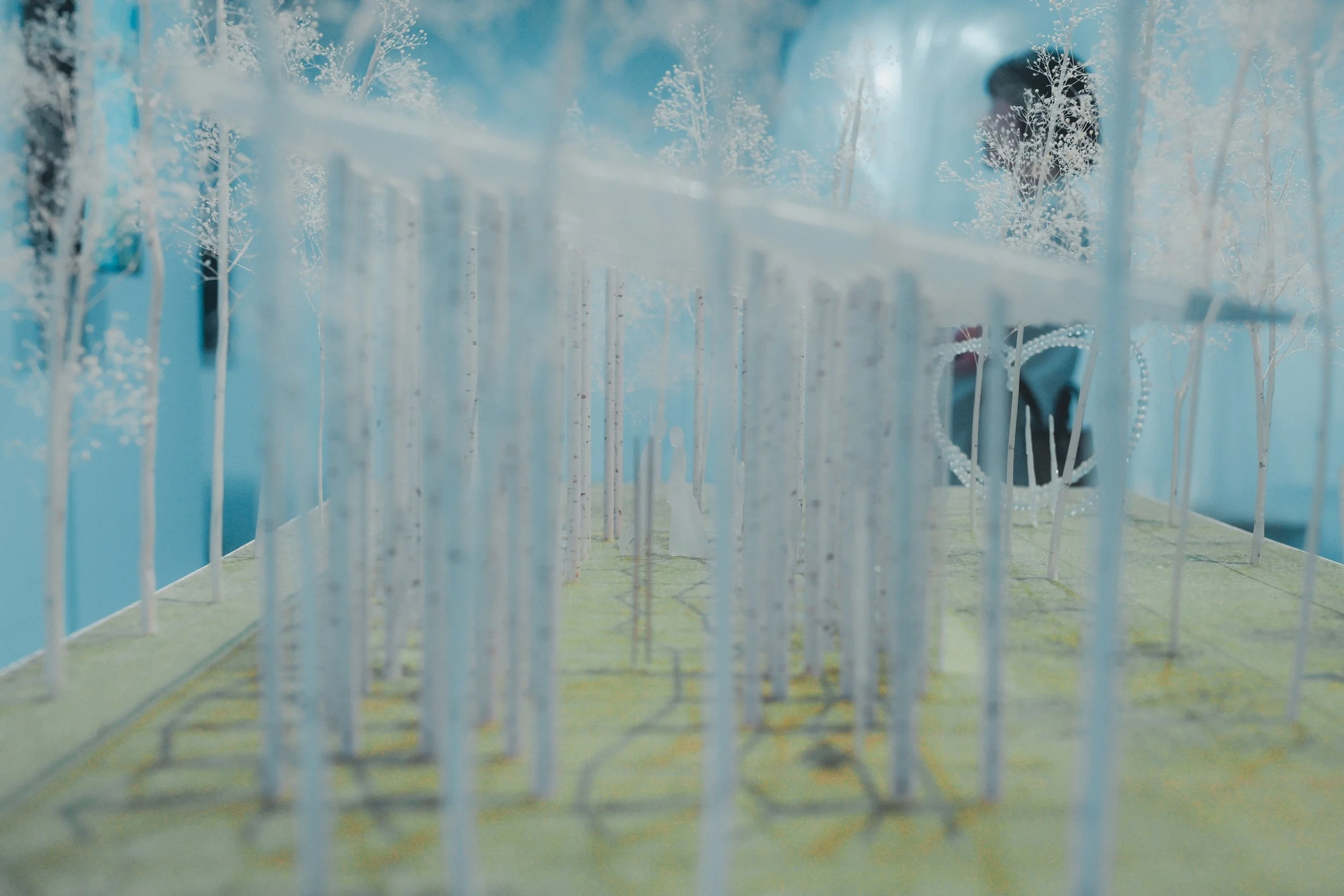
Earlier this year I visited Kengo Kuma's exhibition, "MAKERU" Architecture: The Ecology of Rhythm and Particles. It was the models I lingered over more than the finished work. His office had laid out a study in miniature: buildings that already existed and others not yet built, rendered small enough to rest in the palm of a hand. They were not smaller versions of architecture. They were architecture itself, preserved at the only scale where it could still remain undecided.
I have always loved visiting architects' exhibitions. I have always been drawn to miniatures because looking at them pulls me into a world that could only exist at that scale. A world where large imaginations and distant futures become intimate enough to be held. Where dreams briefly occupy the same space as our hands.
There is a peculiar state the miniature occupies, neither concept nor consequence. It is real enough to be understood, held, and walked around, yet it has not entirely closed itself off from other versions of itself.
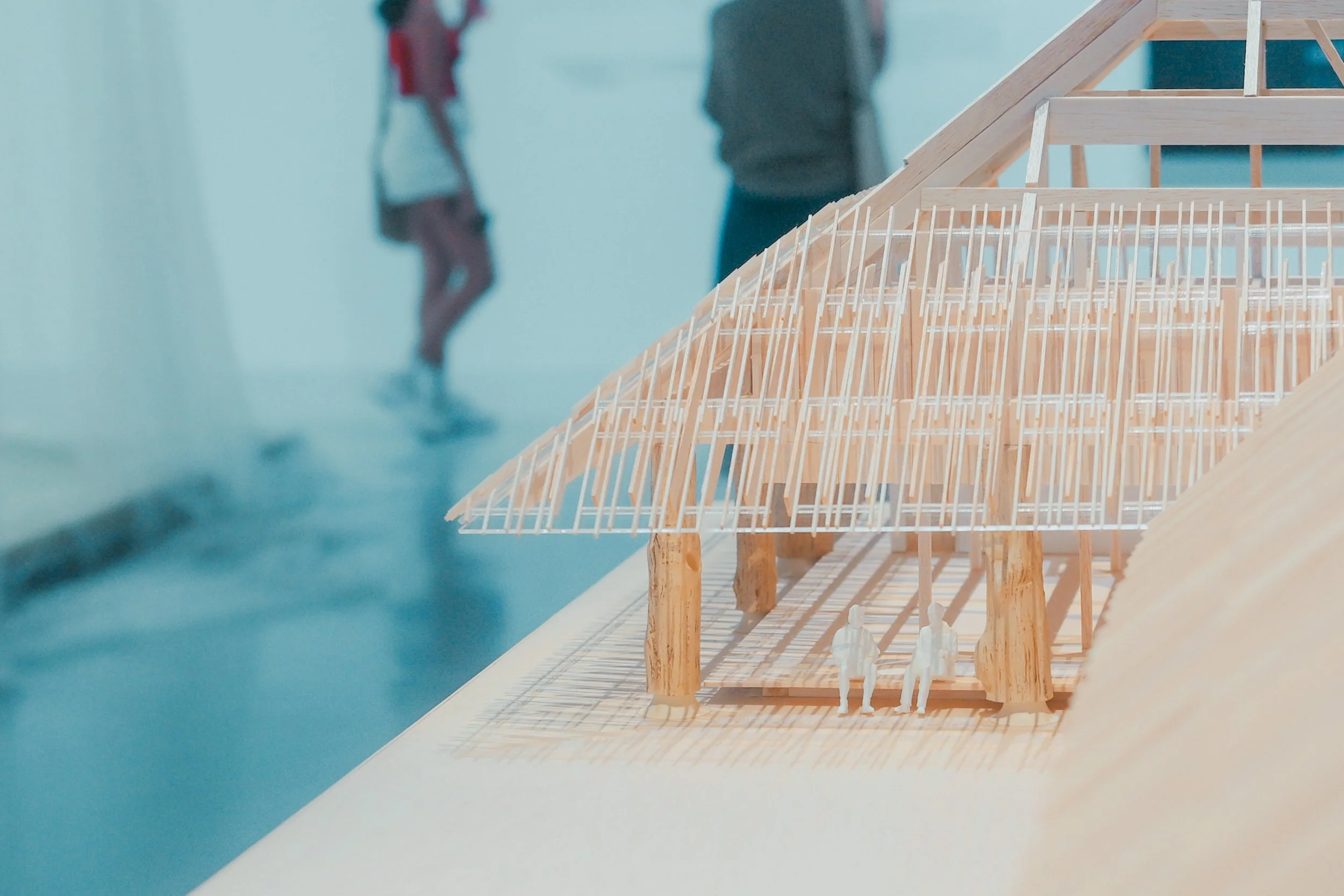
A building at full scale has already made its choices. The walls are where the walls are. Every decision has settled into matter.
Yet the model is different. Even when it represents a building that already exists, shrinking it back into the palm seems to return it to a moment before those decisions became inevitable. It still carries every wall it might have had, as though the act of choosing had never quite finished happening. And when the building has yet to be built, the model occupies an even stranger condition. It exists in reality, but not yet in a reality, only in the possibility of one.
The reason may lie in the hand.
We often speak of scale as though it were a matter of centimeters. But scale is really a matter of what the body can do to a thing. A model fits in the palm not by coincidence but by design. It is meant to be turned over, lifted, examined from every angle in a single gesture. At that size, the maker's hands are still present in the object. One imagines where a thumb pressed too firmly, where a knife paused before cutting further, where an idea changed direction.
Build the same form at the scale of a house and the hand disappears. Machines take over. The object gradually outgrows the body that first imagined it.
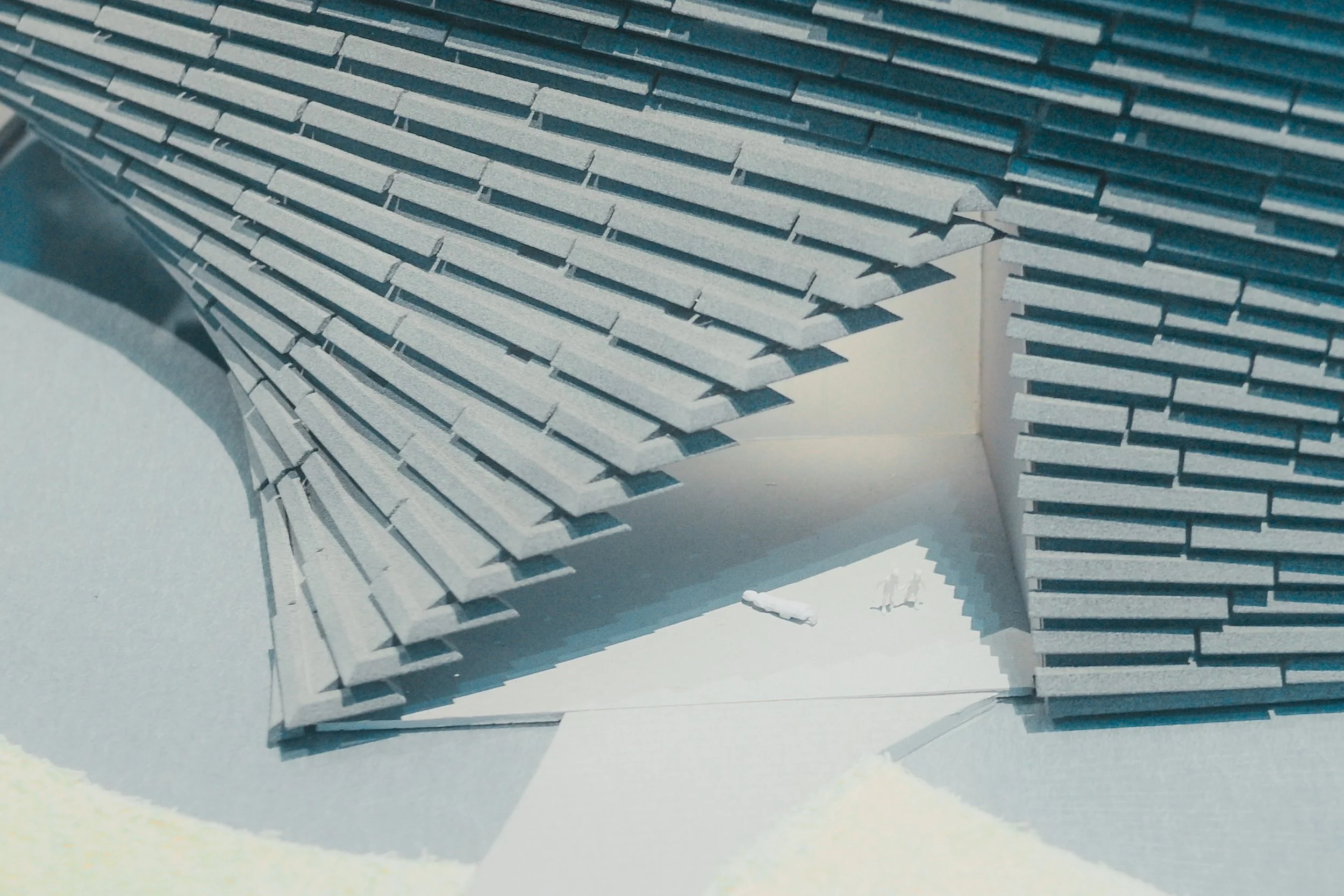
Perhaps this is the quiet loss that accompanies every act of scaling up. Not that the thing becomes worse, but that it ceases to feel like something a person made. To work at the scale of the hand is to keep the maker inside the object a little longer. Smallness is not simply a matter of size. It is the last scale at which a thing still remembers whose hands shaped it.
There is a reason teachers and mentors tell us to begin small, though they rarely explain why.
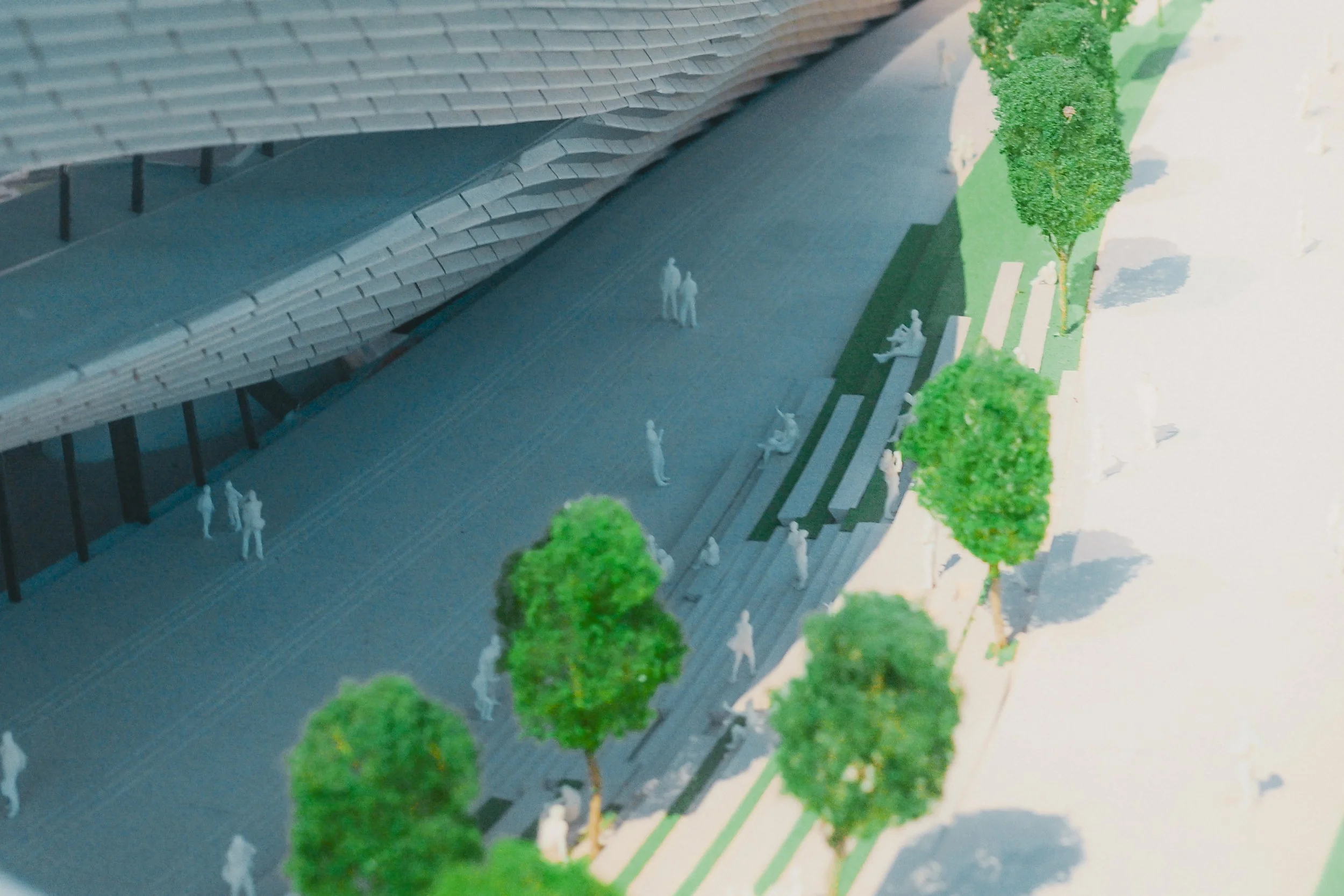
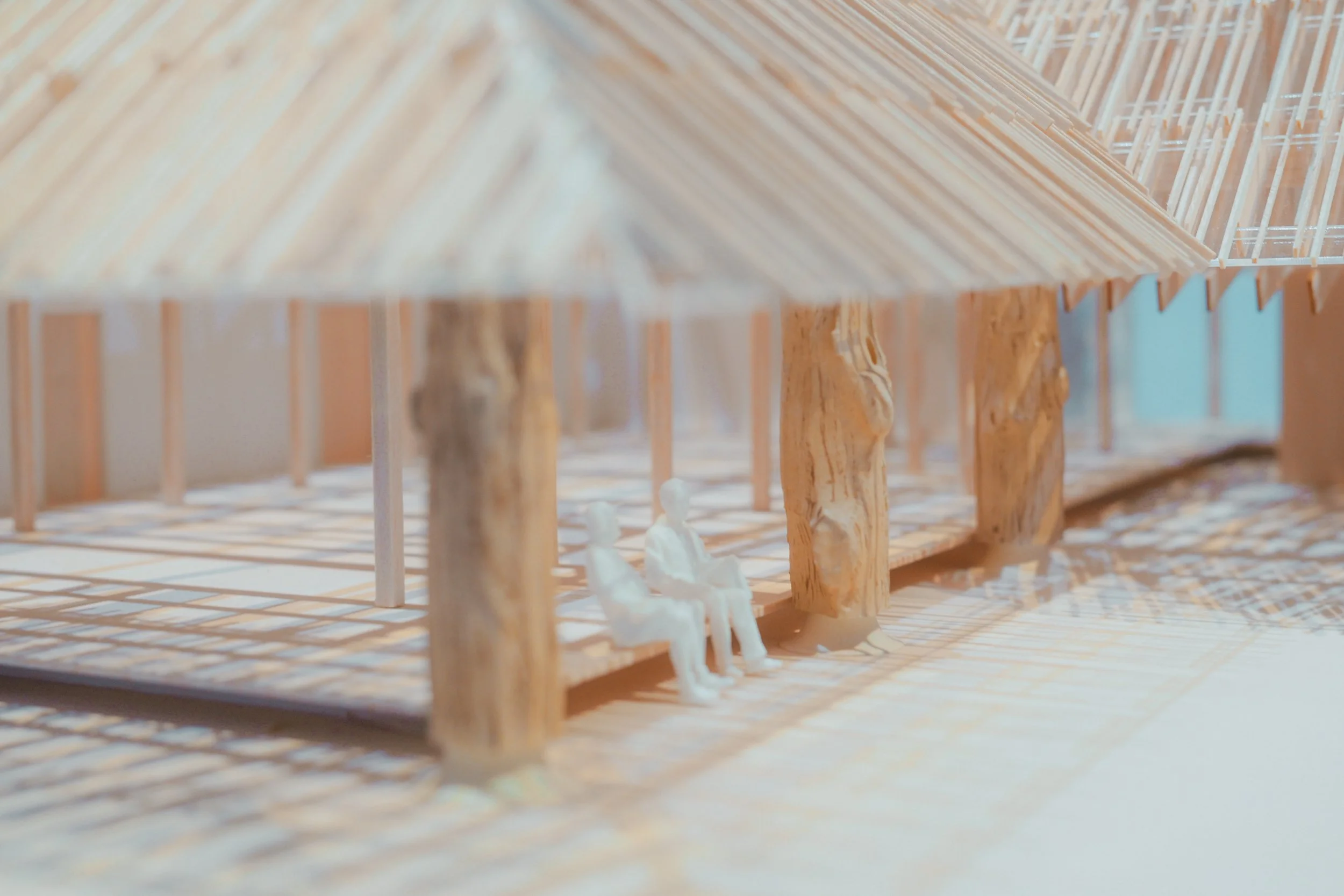
Not because small is easier. A tiny cup, worked at the scale of fingers rather than arms, asks for a precision that a full-sized vessel often forgives. Nor because the ambitions themselves are small. Rather, smallness is where possibility remains open. A thing we can still hold in one hand feels unfinished in the best sense. It has not yet exhausted its alternatives. Failure costs little. Revision remains possible. The whole object can still be understood at once.
To think big, then, may require beginning small. Not as rehearsal, but because imagination itself prefers that scale. Before decisions accumulate. Before possibility narrows into certainty. Before an object settles into the single version the world will eventually know.
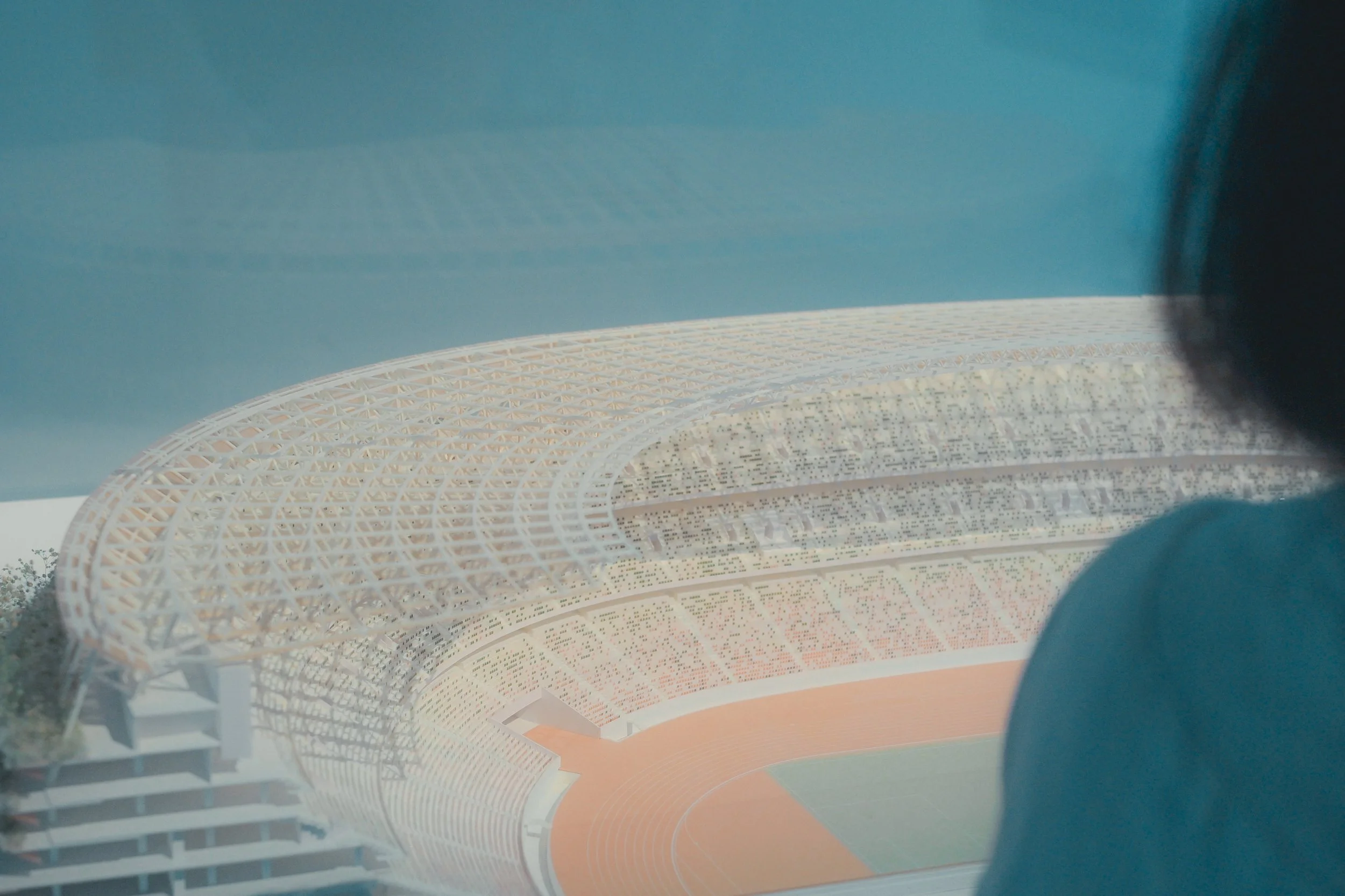
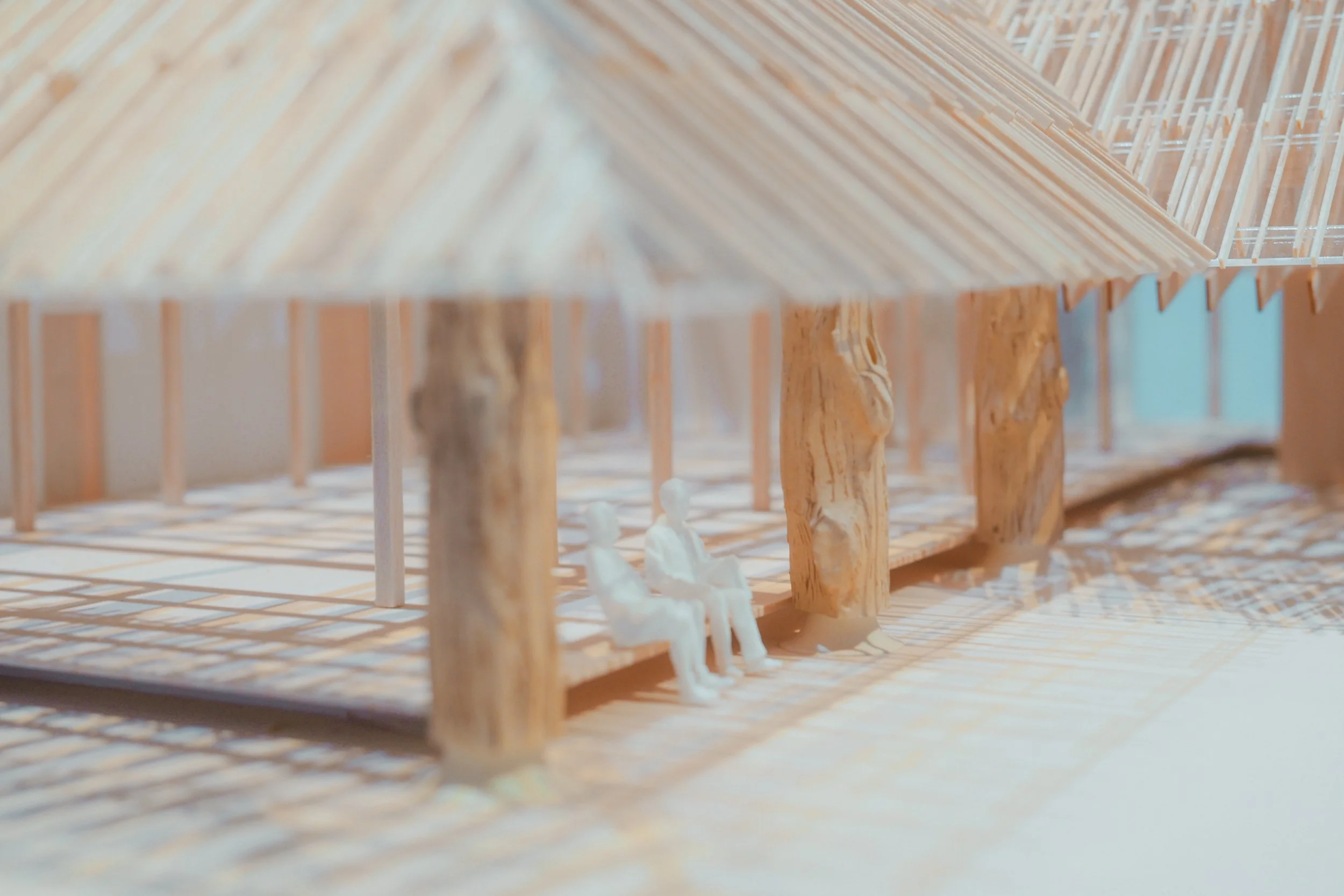
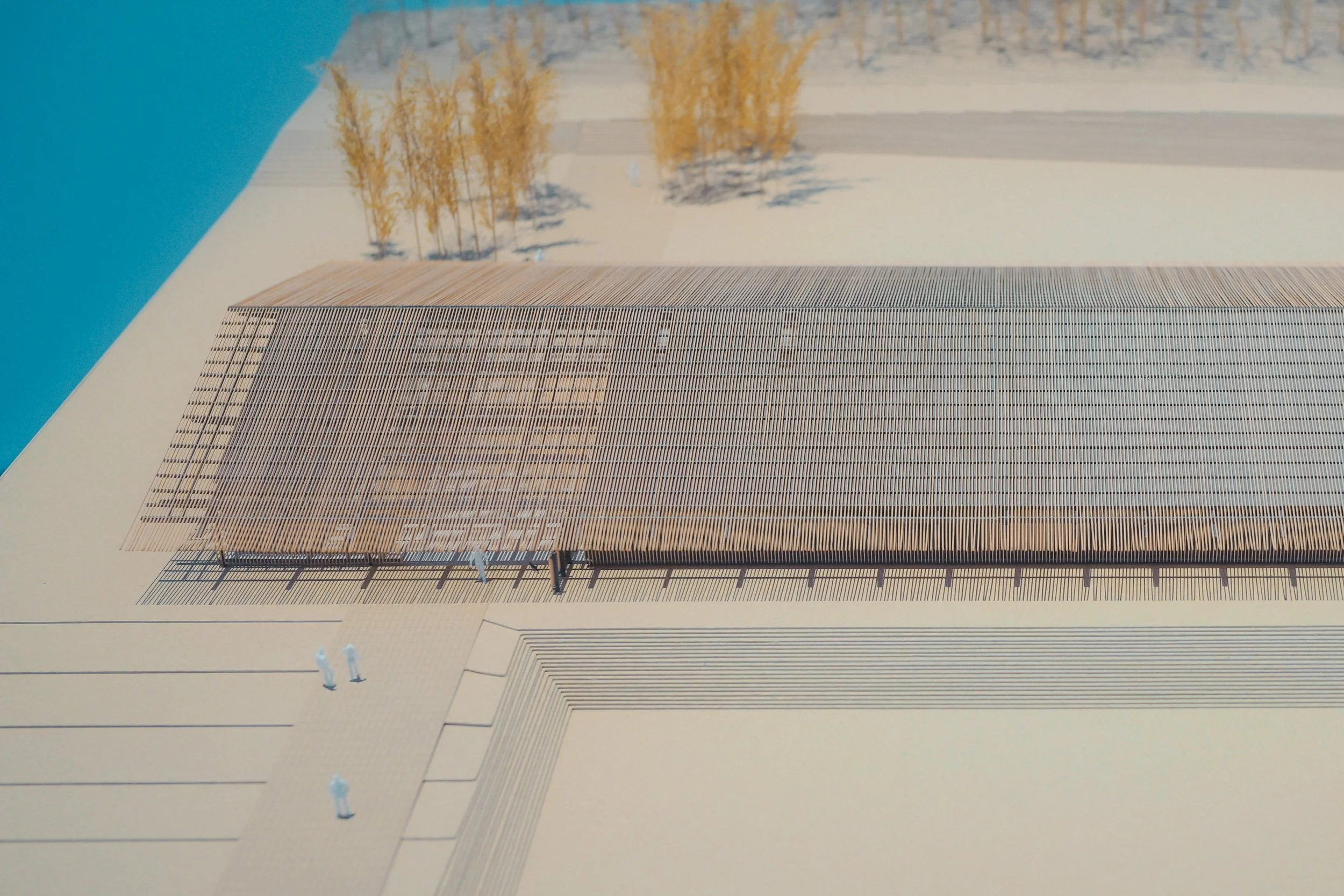
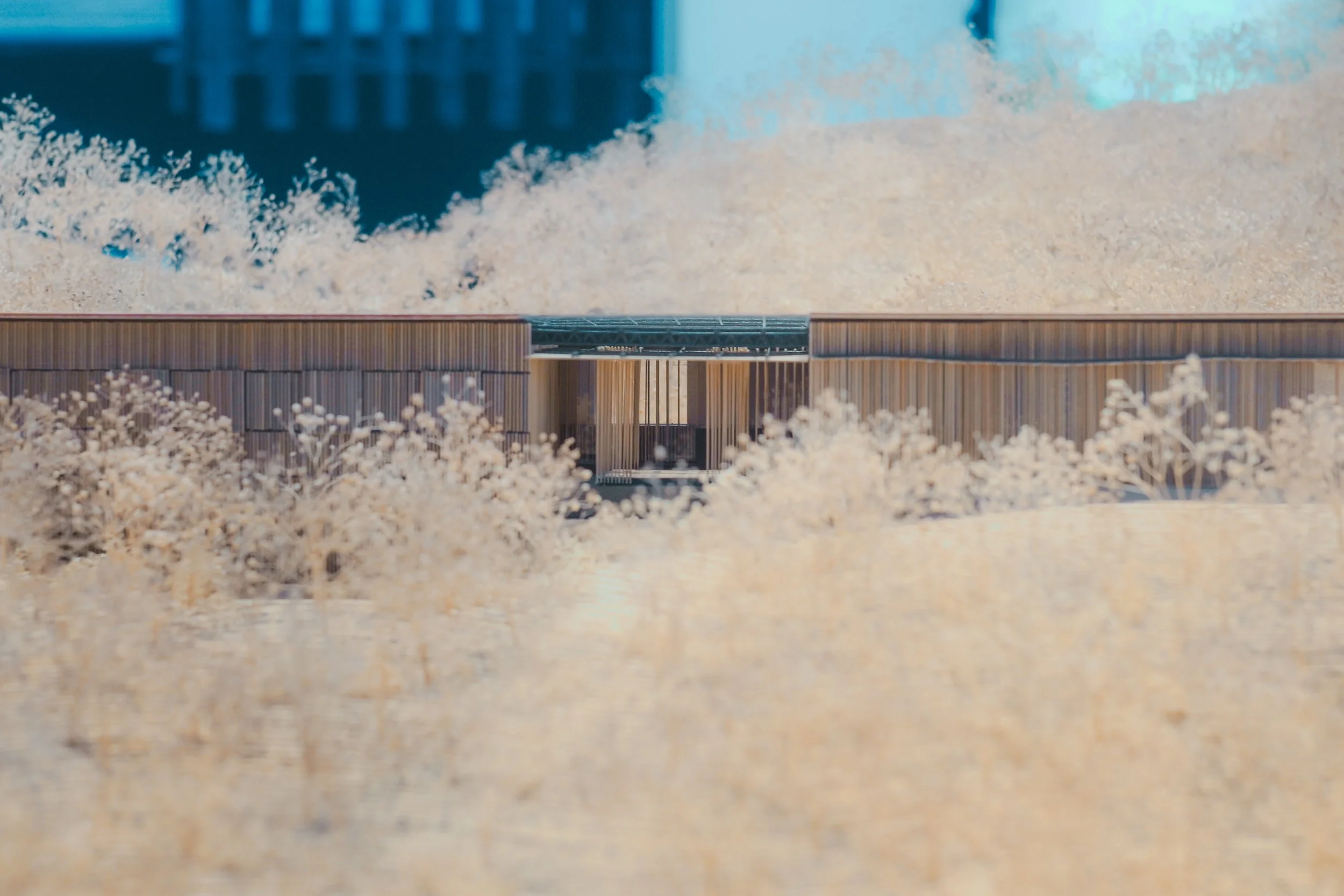
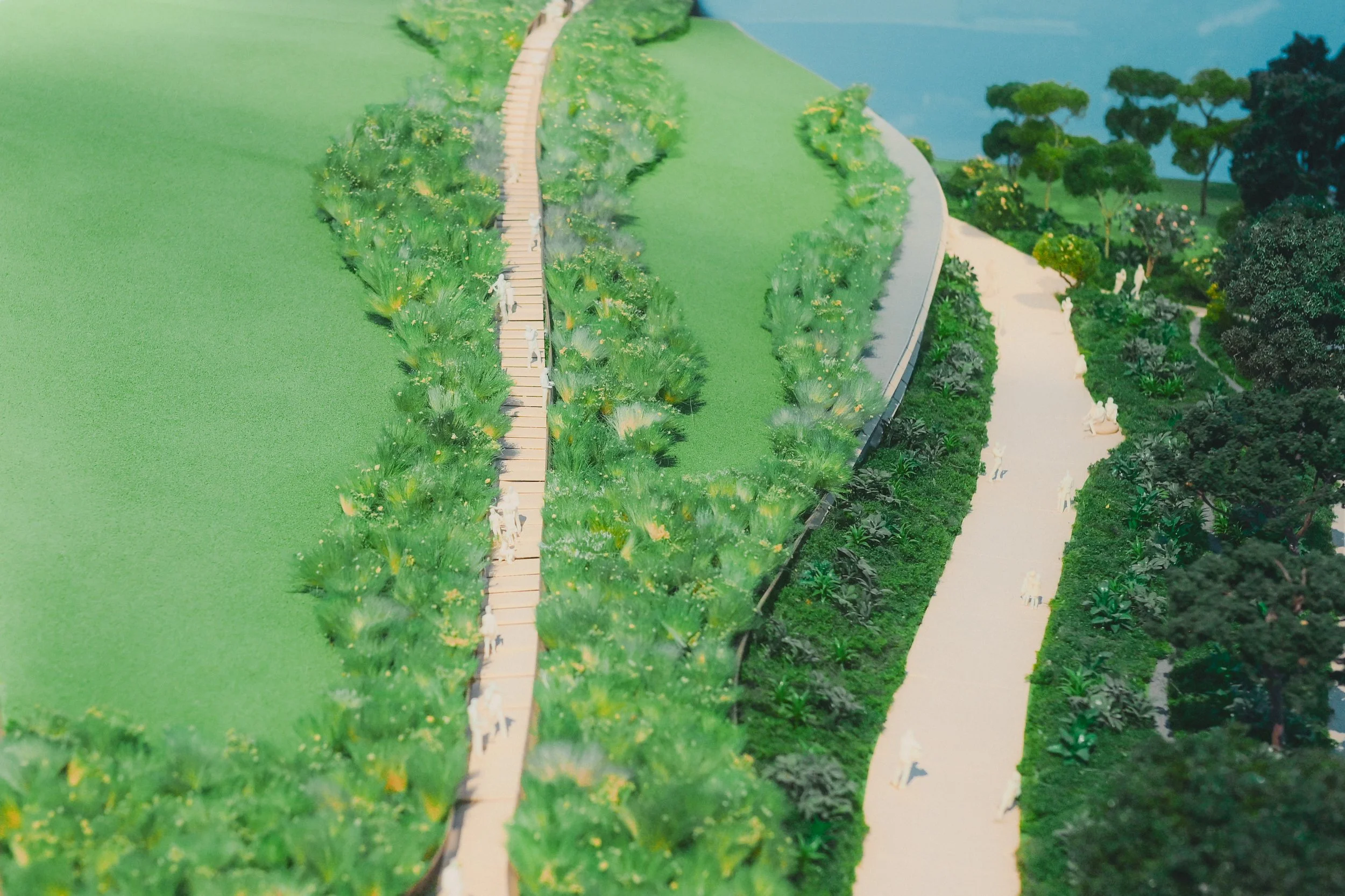
The large is never separate from the small. It is simply what the small becomes after enough decisions have been made. Choice after choice. Gesture after gesture. Until the first shape imagined by a pair of hands grows into a house someone can inhabit.
Long after I left the exhibition, it was the models that remained with me. Not because they represented buildings, but because they preserved a condition that buildings themselves cannot. They reminded me that every finished thing was once small enough to remain open, and that everything large begins at the only scale where it is still free to become something else.
TEXT AND IMAGES BY ANATOMY OF THINGS
