
Occupied Idleness
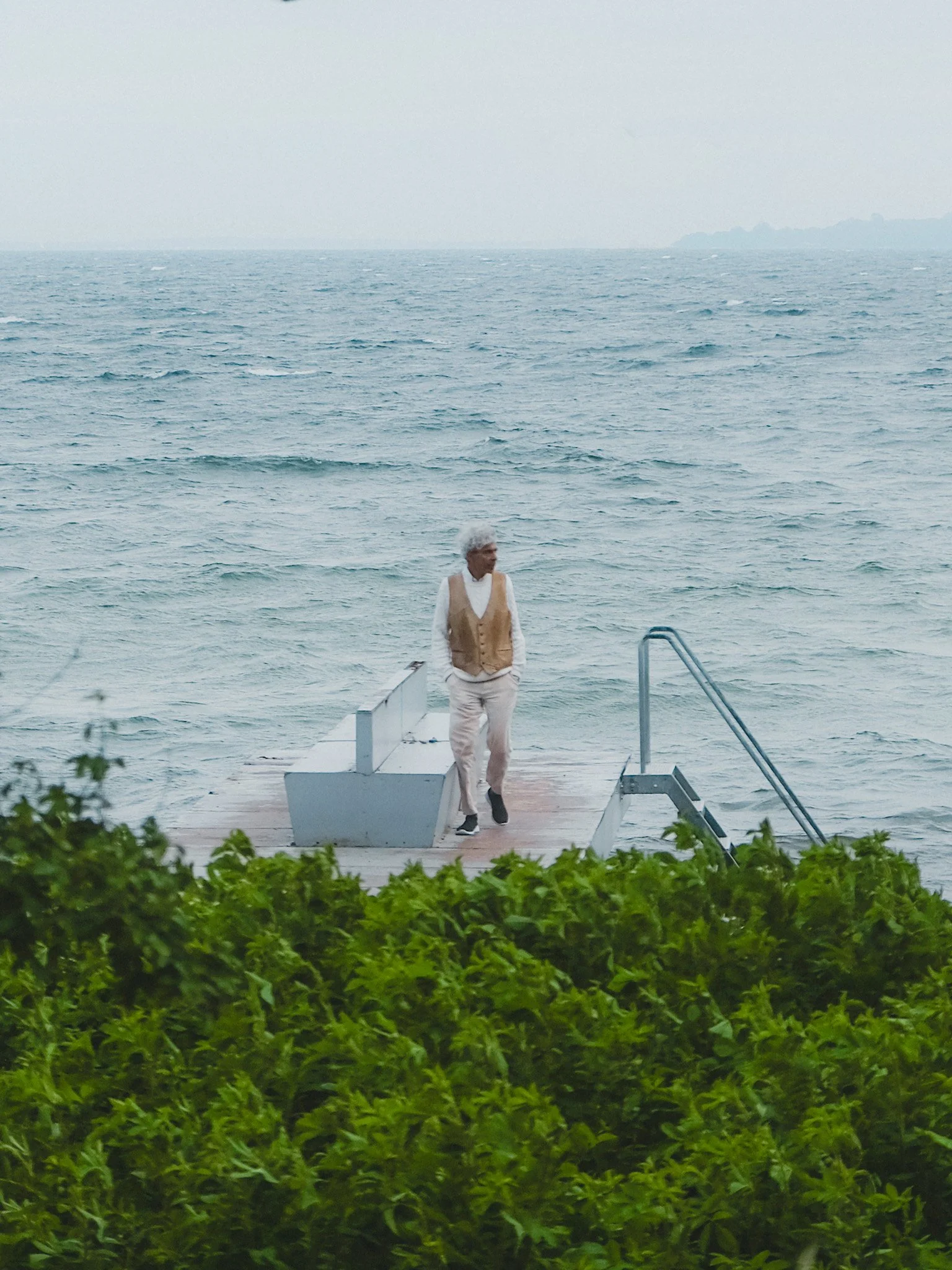
Frédéric Gros opens A Philosophy of Walking with a provocation dressed as an observation: walking, he says, is not a sport. It requires no equipment, no opponent, no improvement. It is, instead, one of the few remaining acts that returns us to ourselves without asking anything in return. To walk is to become, briefly, no one – untethered from role, from productivity, from the perpetual hum of being known.
There is something in this that feels both simple and radical. Walking requires nothing of us except that we continue. And yet in that continuance, something changes. The body in motion is a different kind of mind. Slower. More porous. The walker receives the world differently than the person who sits and contemplates it. There is something in the rhythm of footfall, in the mild physical effort that occupies just enough of the body to free the rest of it, that dissolves the hard boundary between self and surroundings.
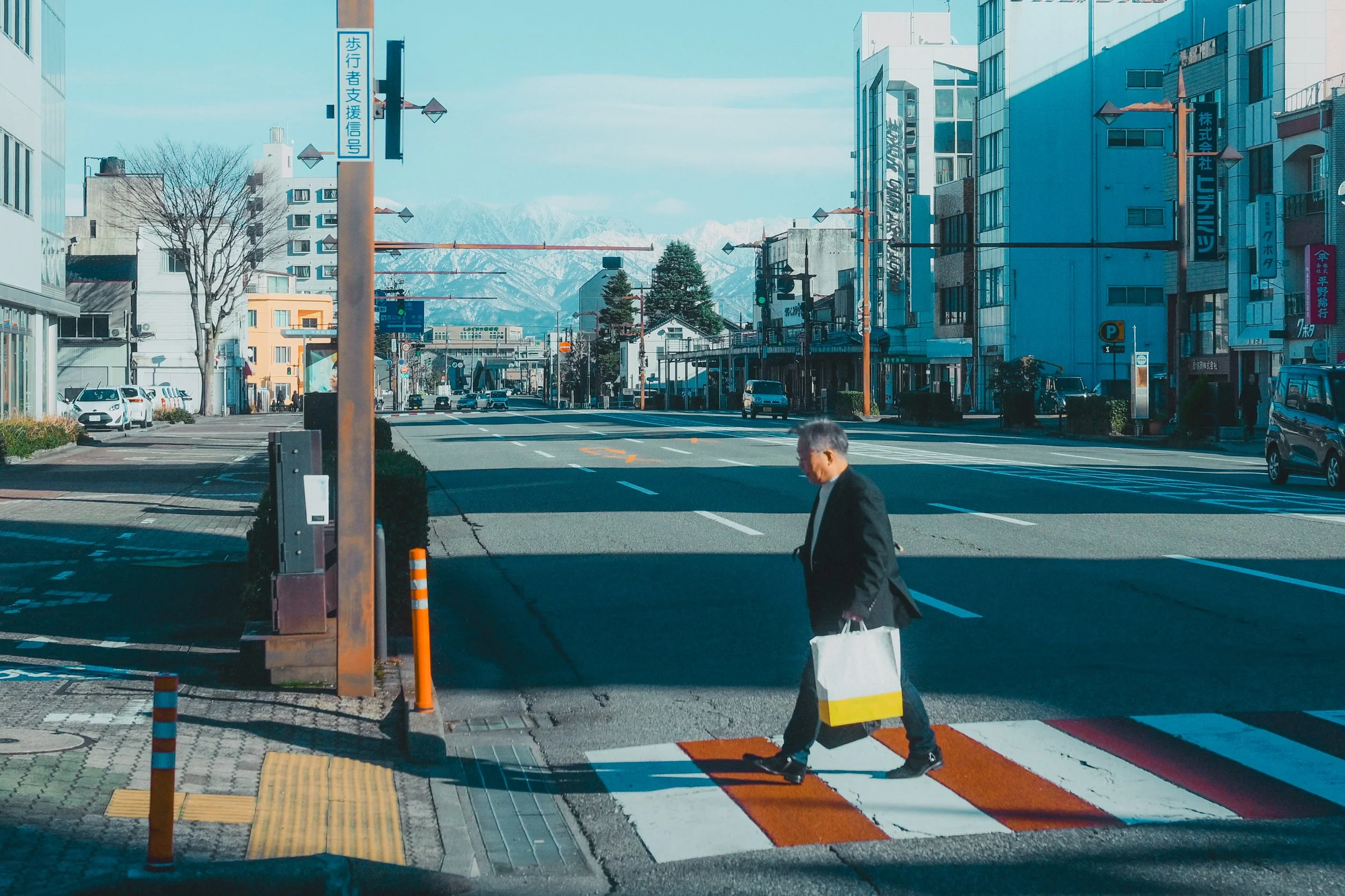
Walking long enough, the interior monologue quietens. Not into peace exactly – more into attention. The ground underfoot. The sound the wind makes through the trees. The way distance, on foot, becomes something you inhabit rather than measure.
Walking has always given me a particular freedom – not the freedom of arrival, but the freedom of deviation. To slip into a side street. To stop without reason. To turn back on a whim or press forward without a plan. It is a freedom that speed forecloses. You cannot do any of this at a run.
Gros is alert to what we surrender when we accelerate. Modern life, he observes, has organised itself around the logic of running – not literally, but structurally. We optimise, compress, multitask. We fill every interval. Even walking, for most of us, has ceased to be an act of attention and become instead a gap between other things – head down, thumb moving, catching up on what we missed while we were doing something else. The pace that was made for seeing has been repurposed for consuming.
Because to walk, when you allow it to be only walking, is to see. Not to photograph, not to document – to actually receive what is in front of you. The pace of the human foot is not arbitrary. It is, perhaps, the speed at which the world was meant to be met. And it is never difficult to stop when we are walking. That too is part of it – the ease of pause, the permission to linger, the absence of momentum that must be managed or overcome.
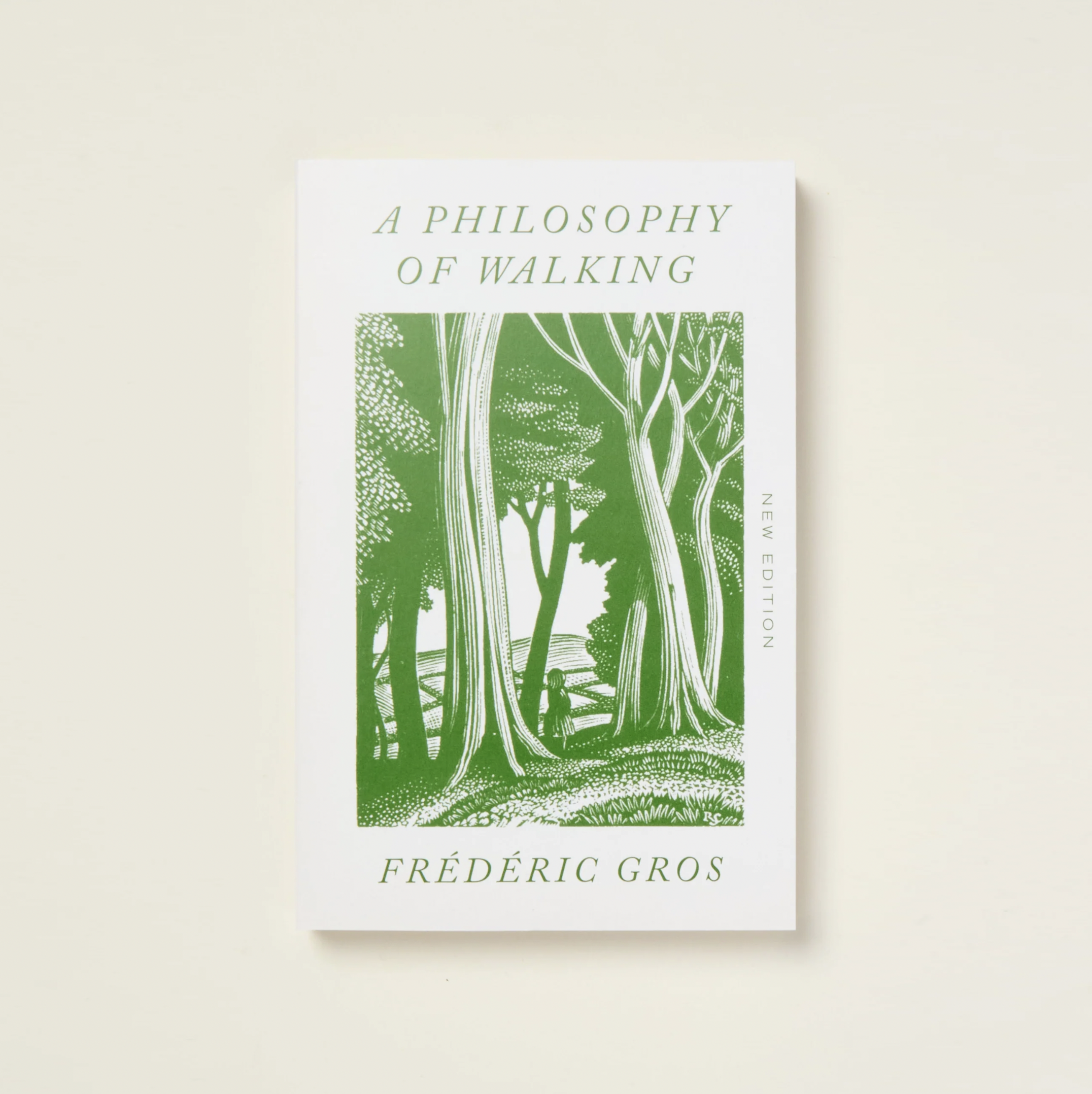
Image Credits: www.stoutbooks.com
This is what the street, the alley, the unplanned path all offer. Not grandeur, but the democratic, unhurried revelation of the next corner. Walking does not reward the fastest. It rewards the one who is still paying attention.
There is one more thing walking offers, quieter than freedom, quieter than surprise. It is the particular quality of mind that arrives only after the body has been given something simple and rhythmic to do.
Walking is meditative not because it empties the mind but because it loosens it. The feet find their pace, the breath settles, and something releases – not concentration exactly, but its opposite. A drift. You are present: you feel the ground, you notice the light changing, you hear the world before you fully see it. And yet the mind is elsewhere, turning over something half-formed, following a thread you didn't know you were holding. Walking is the only activity I know that permits this simultaneously – to be here and away, attentive and unguarded, in motion and at rest.
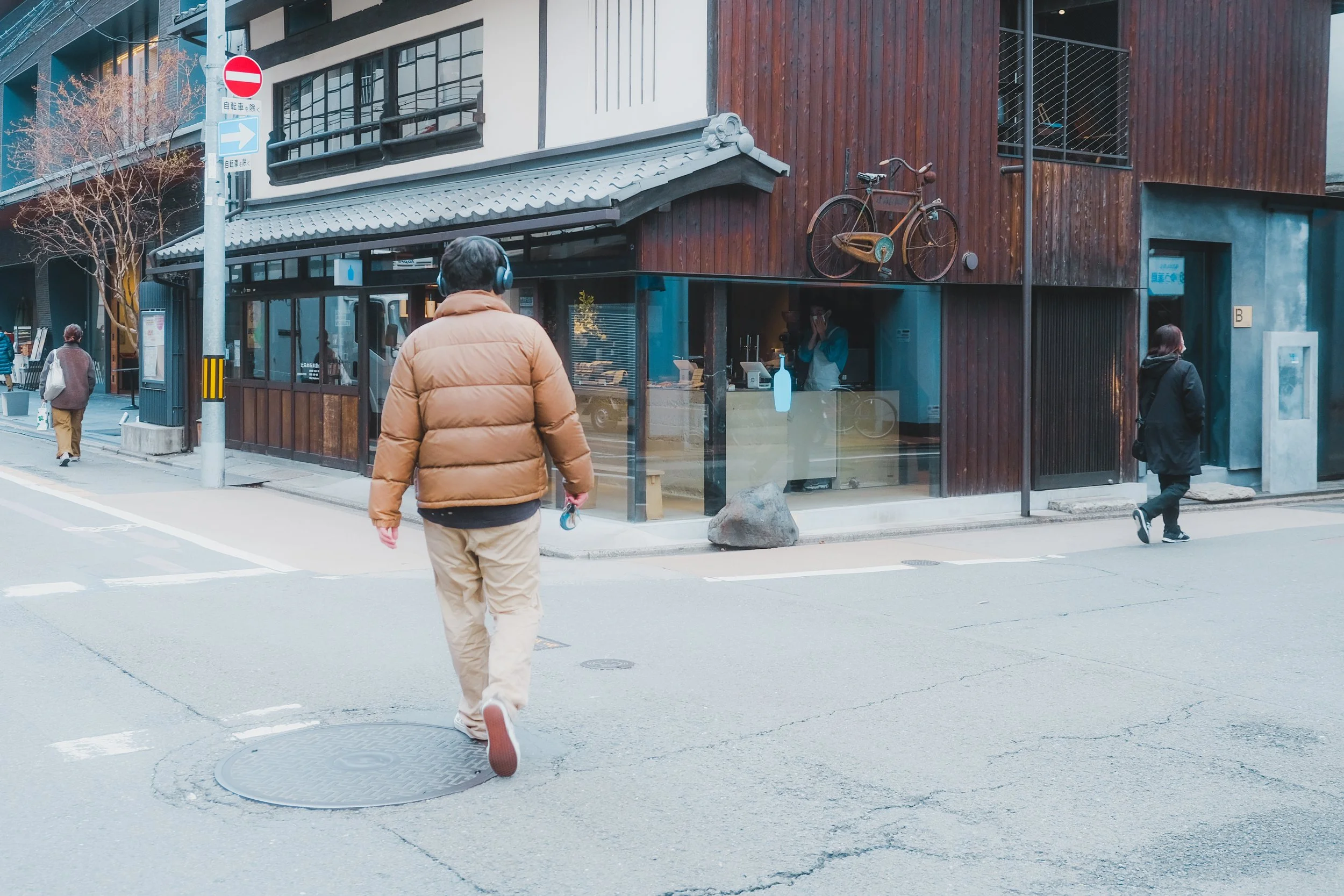
Gros calls this availability – a state of openness that the walker enters almost without trying, because the body is occupied just enough to stop the mind from closing in on itself. It is why so many philosophers walked obsessively, not to arrive at thoughts but to release them. The walk does not produce ideas so much as it creates the conditions in which ideas can surface without being forced.
And yet there is something else underneath this, something we rarely say plainly. Many of us feel guilty doing nothing. Stillness, in a life organised around output, carries a faint accusation. But walking outwits this. You are moving, you are going somewhere, you are upright and purposeful – and so the mind grants you permission to rest in a way it withholds when you simply sit. Walking is perhaps the only guiltless idleness modern life still allows. A rest that doesn't look like one.
Walking is doing something while doing nothing.
TEXT AND IMAGES BY ANATOMY OF THINGS
