
The Motion of Stillness
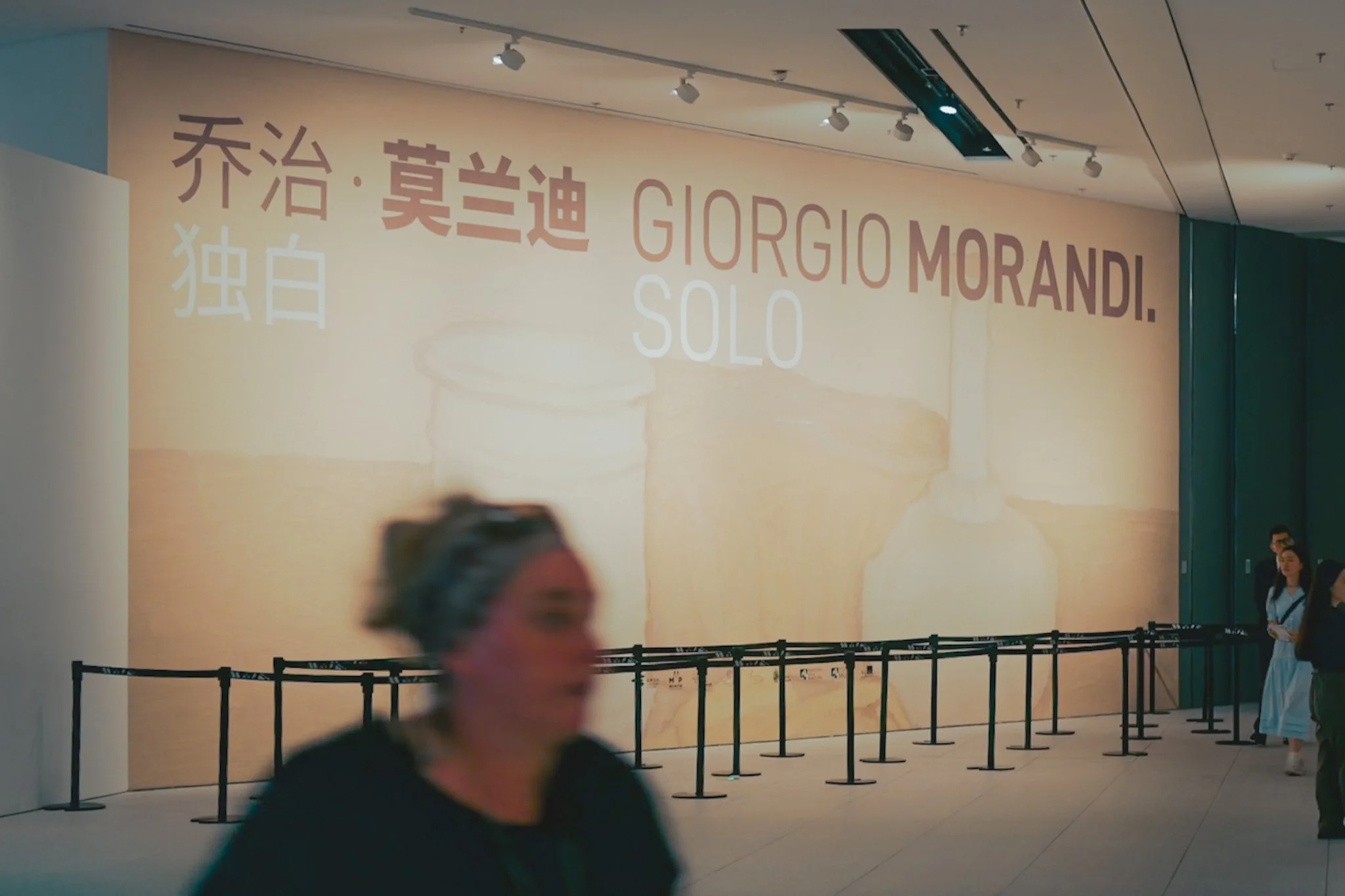
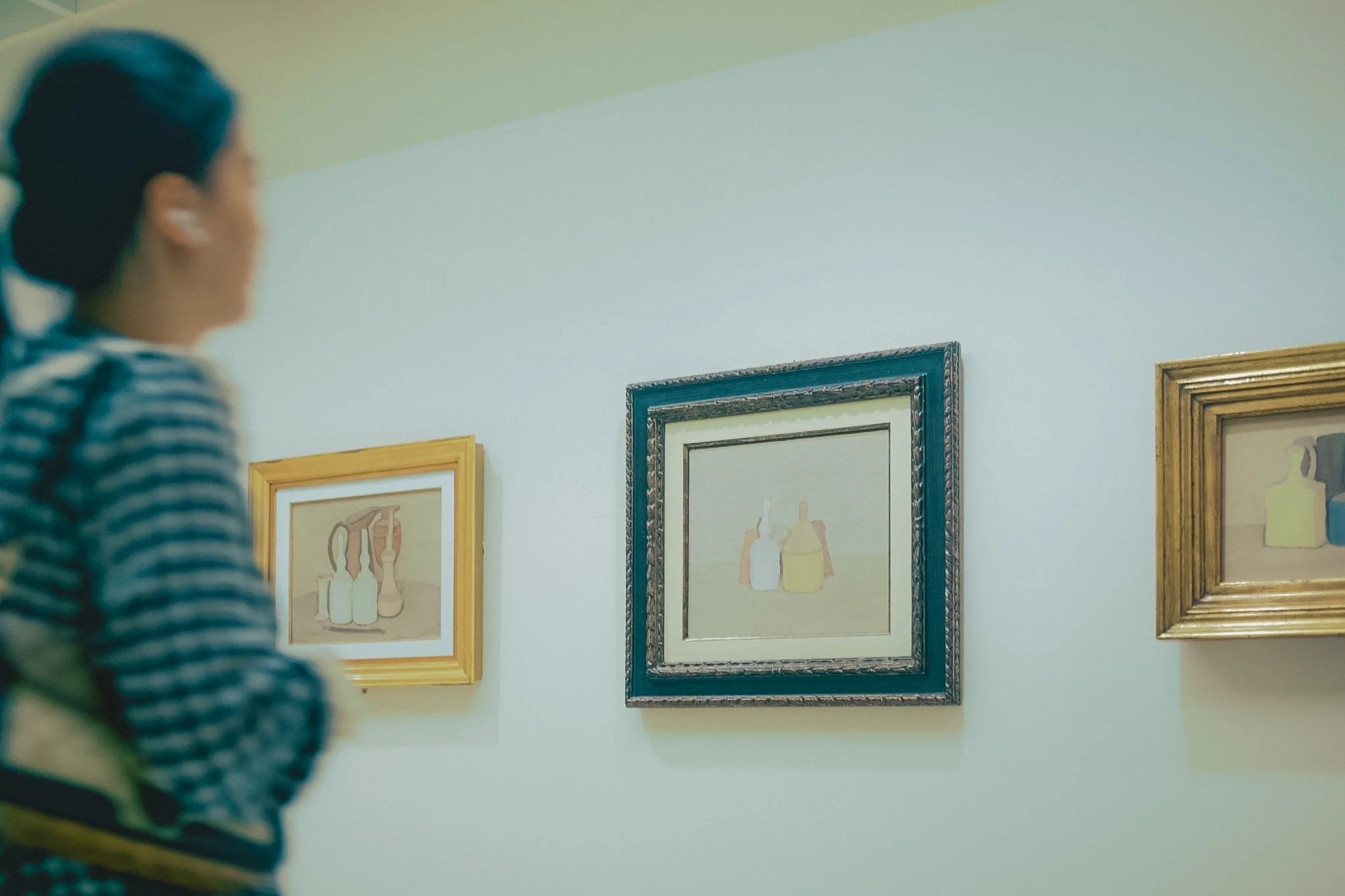
Awhile ago, while in Shanghai, I visited an exhibition of works by the Italian painter Giorgio Morandi in Museum of Art Pudong – one of his biggest solo show. There were paintings of bottles, jars, bowls and other ordinary vessels, arranged in small groups against muted backgrounds. Some stood close together, almost touching, while others were separated by narrow spaces. Their colours were subdued, often appearing as different shades of the same colour.
Morandi spent much of his life painting these ordinary objects. Working from his studio in Bologna, he returned repeatedly to a small collection of bottles, vases and containers, arranging and rearranging them into different compositions. The subjects remained largely the same throughout his career. There were no elaborate settings, no dramatic gestures, and seldom anything that might suggest a narrative.
I found myself wondering what could have kept him returning to the same objects for so many years. What else was there to discover in a bottle that he had already painted countless times?
Perhaps the answer lies not in the objects themselves, but in the act of looking.
We tend to associate seeing with recognition. We look at something, identify what it is, and move on. Once a bottle has been recognised as a bottle, there seems little reason to look at it again. Its familiarity becomes a kind of conclusion.
Yet Morandi’s paintings seem to go against this conclusion.
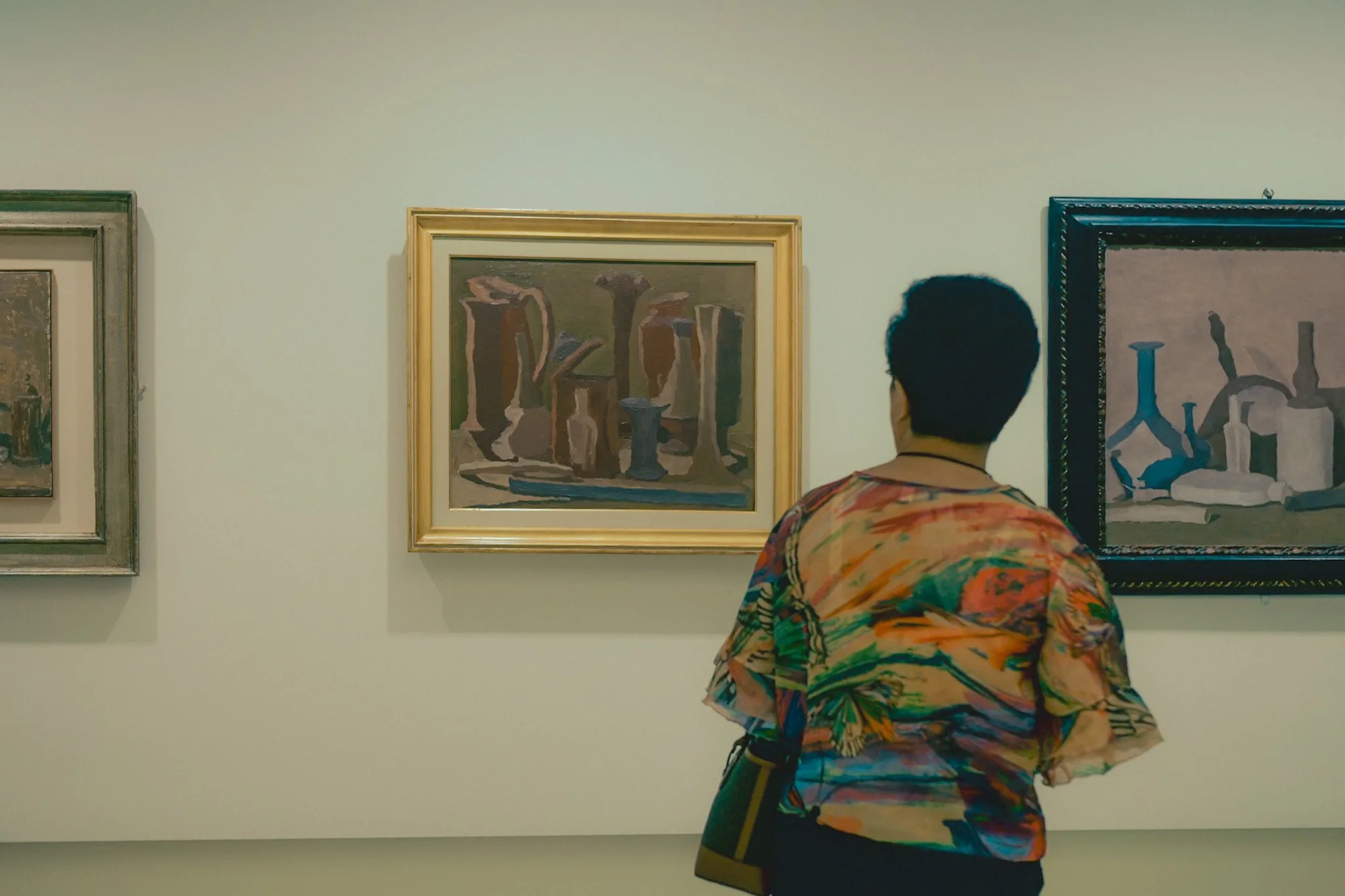
The longer I looked, the less certain the objects became. What initially appeared to be a collection of similarly coloured vessels gradually revealed subtle differences. A white was not quite white. The edges of one bottle dissolved into the background, while another appeared more pronounced. The spaces between the objects began to command as much attention as the objects themselves.
Nothing in the painting had changed. Yet what I was seeing was no longer quite the same.
Perhaps this is the peculiar nature of perception. We often assume that seeing is a passive act, that our eyes simply receive what is placed before them. But seeing is also an act of interpretation, shaped by our attention, memories and experiences. We do not necessarily see everything at once, nor do we see the same thing in the same way each time.
A familiar street may reveal something we have walked past for years. A book read for the second time may seem to contain passages we do not remember reading. Even a person we have known for decades may surprise us with something we had never noticed before.
The street, the book and the person may not have changed in that particular moment. What has changed is the way we encounter them.
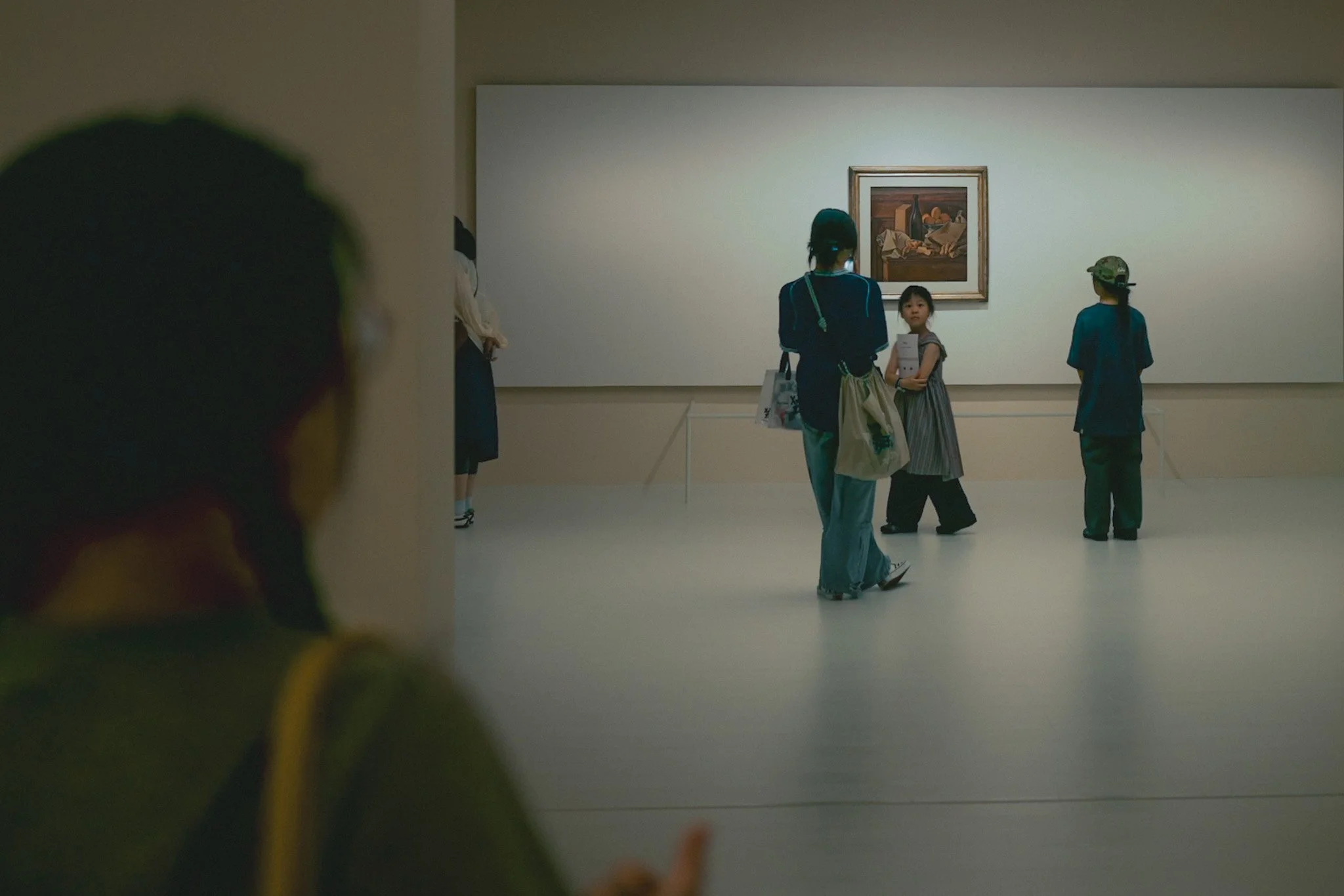
Perhaps Morandi understood this better than most. By returning to the same objects, he was not merely repeating himself. Each arrangement became another opportunity to observe, another attempt to understand the seemingly inexhaustible possibilities within the familiar.
There is something equally curious about the stillness of his paintings.
We live in a world where movement is often mistaken for progress. We travel to new places, seek new experiences and surround ourselves with new things, as though discovery depends upon a constant change of scenery. Stillness, by comparison, is often associated with inactivity, with waiting for something to happen.
Yet it is often in moments of stillness that we become most aware of the things around us.
When we sit quietly beside a window, we begin to notice the changing light across the room. When we remain in one place long enough, we become aware of sounds that had previously escaped us. When we stop looking for something in particular, we sometimes begin to see what has always been there.
Stillness does not bring the world to a halt. It merely allows us to become more attentive to its movements.
What makes Morandi’s still lifes so quietly compelling. They ask very little of us, except that we remain with them for a while. There is no story to follow, no event to anticipate, no immediate meaning to uncover. Their apparent simplicity gives our attention somewhere to settle.
And as we look, things begin to happen.
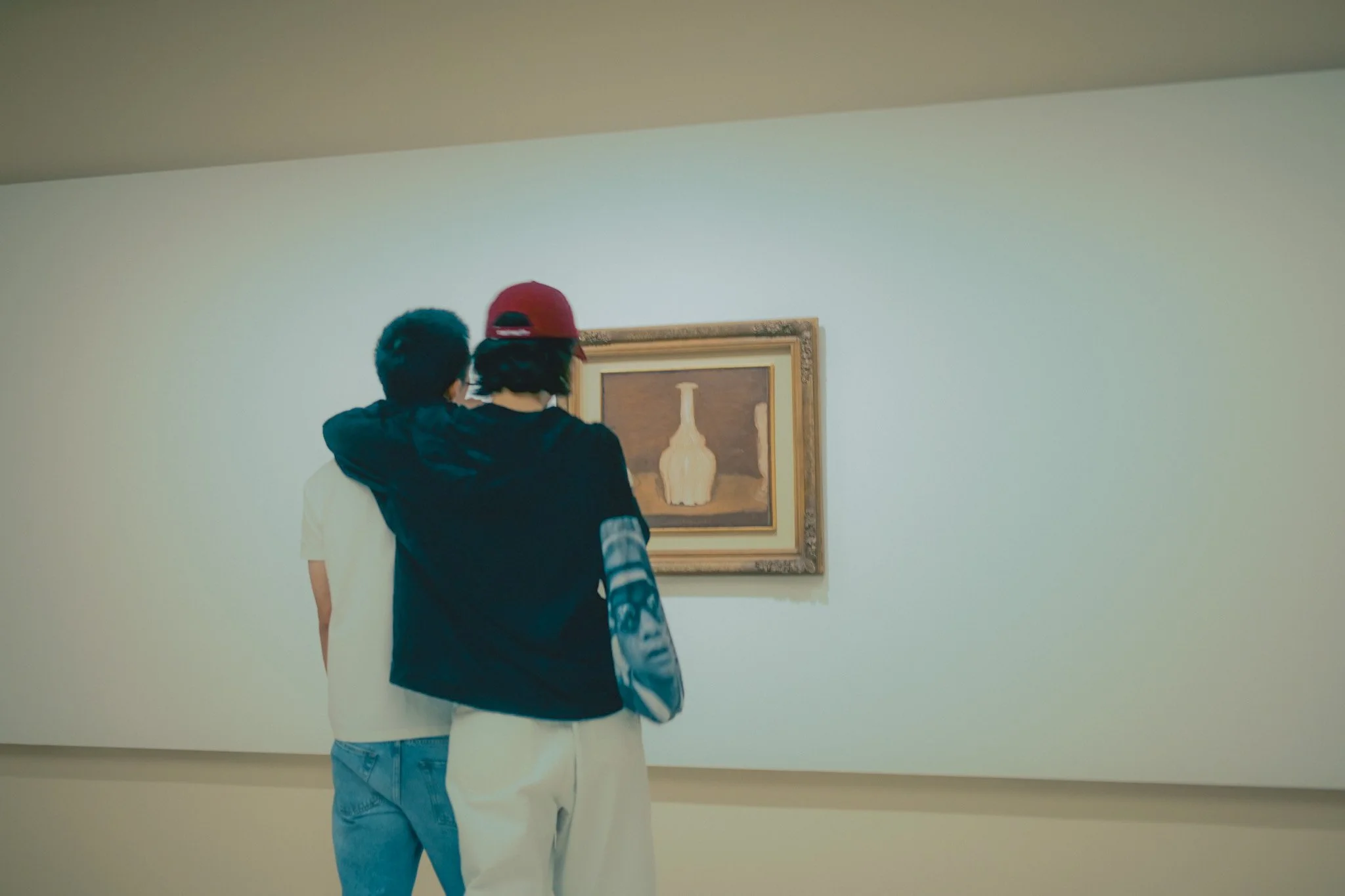
The distances between the vessels become more apparent. The boundaries between figure and background become uncertain. Colours that initially seemed indistinguishable begin to separate. What appeared to be an uneventful arrangement gradually becomes a world of subtle relationships.
The painting remains still, but our perception continues to change.
Morandi spent decades painting a handful of ordinary objects. He did not need to venture far to find another subject, nor did he need his bottles to become anything other than bottles. The possibilities lay in the changing arrangements, in the light, and perhaps most importantly, in his willingness to keep looking.
A month has passed since I stood before his paintings in Shanghai. I can no longer recall every arrangement of bottles or the precise colours of their surfaces. But I remember the peculiar sensation of discovering more the longer I remained before them.
Perhaps nothing is ever truly still in a still life.
Not because the objects are moving, but because we are.
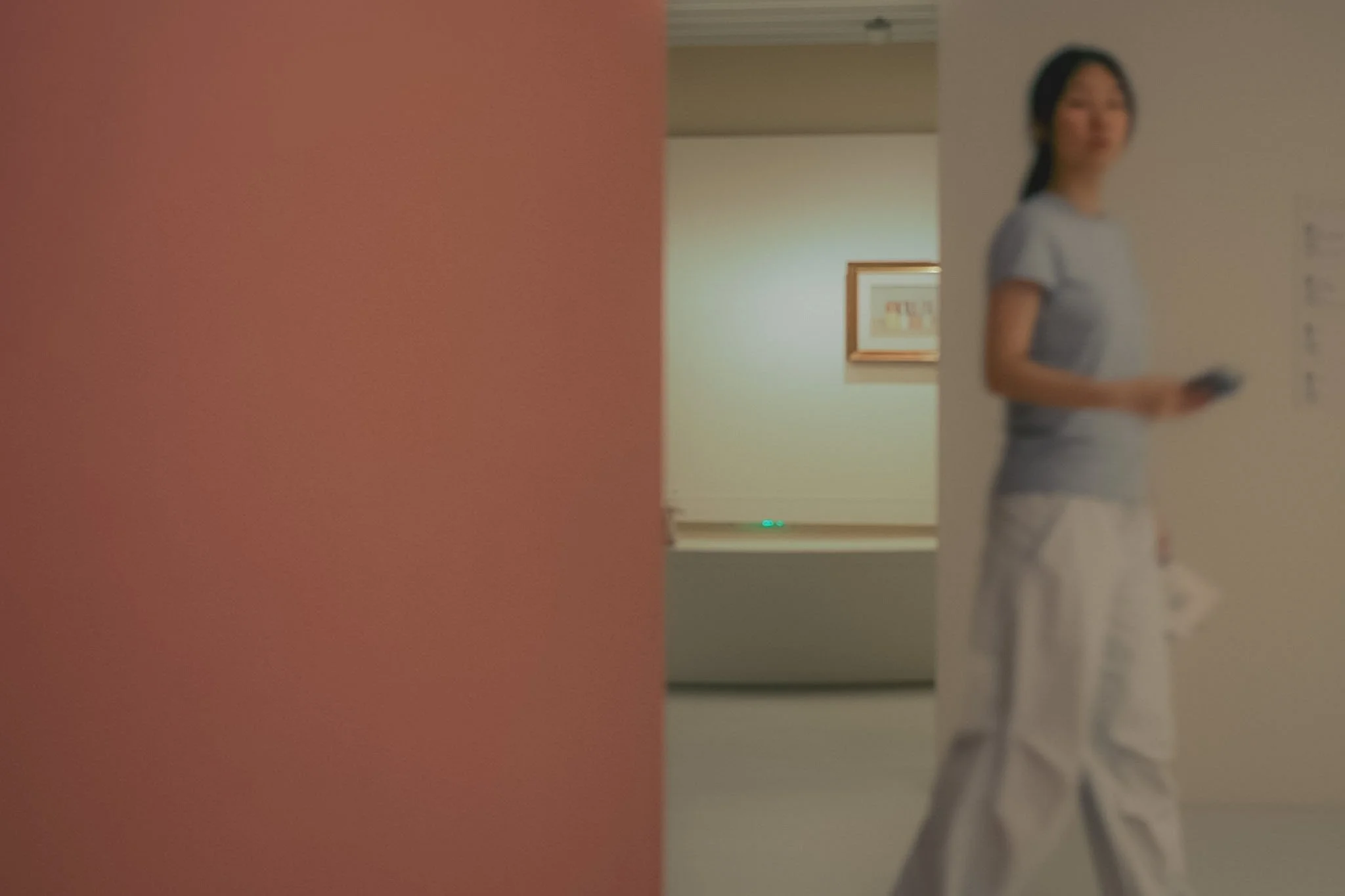
Morandi's paintings remind us that the world does not always need to change for us to discover something new within it. Sometimes, all that is required is the willingness to remain, to pay attention, and to look again.
For even in stillness, there is motion.
TEXT AND IMAGES BY ANATOMY OF THINGS
