
The Art of Fragility
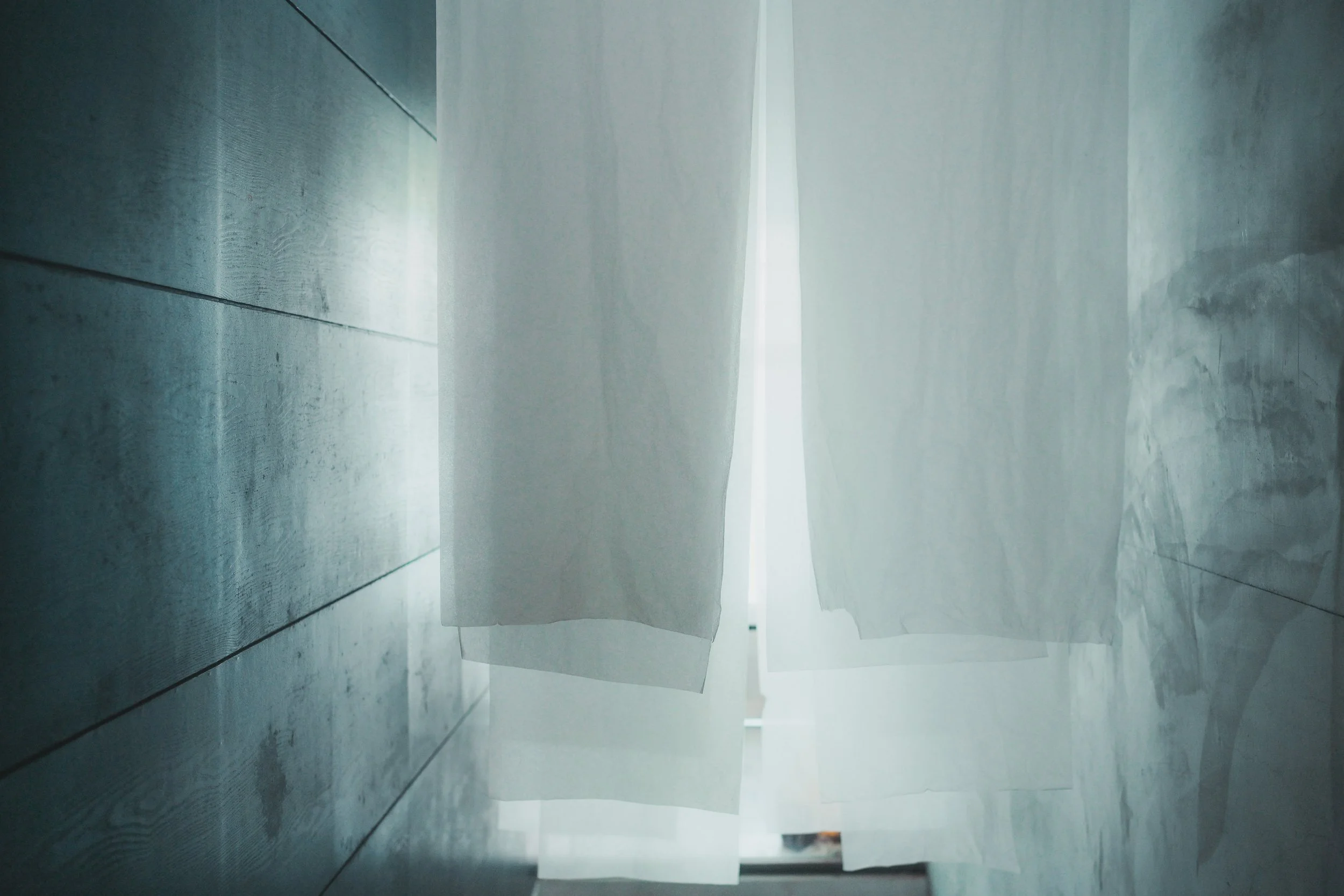
There is something profound about paper. We encounter it every day — in books, in letters, in the margins where thoughts first take shape, yet rarely do we pause to consider the care and tenderness that bring it into being. A visit to the Suho Paper Memorial Museum invites exactly that consideration.
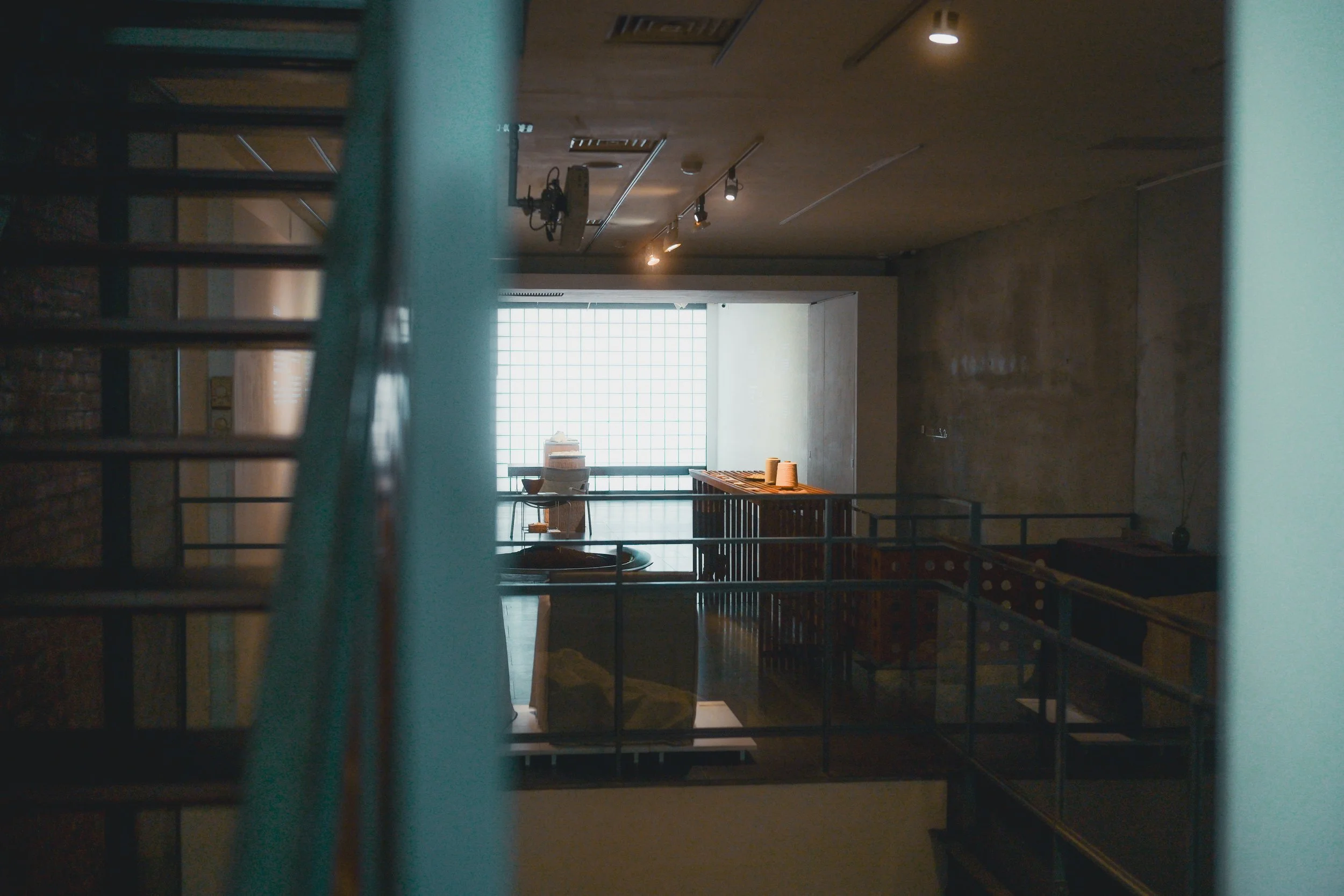
The museum mirrors the material it honours: unassuming at first glance, yet layered with meaning within. Housed in a modest shophouse, it unfolds across four intimate levels, each drawing you deeper into the journey of papermaking. The ascent feels almost ritualistic — a slow movement not just upward, but inward, toward origin.
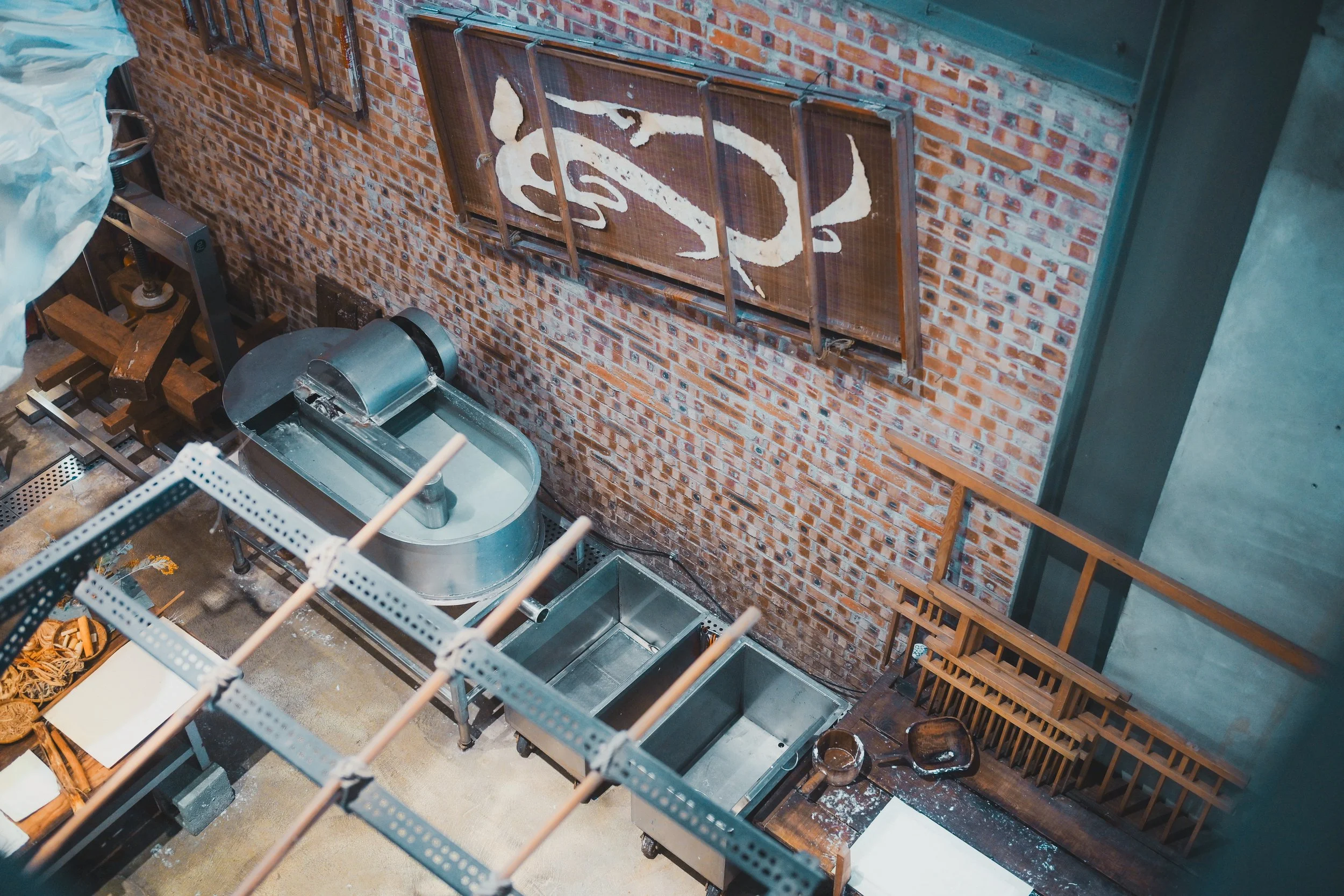
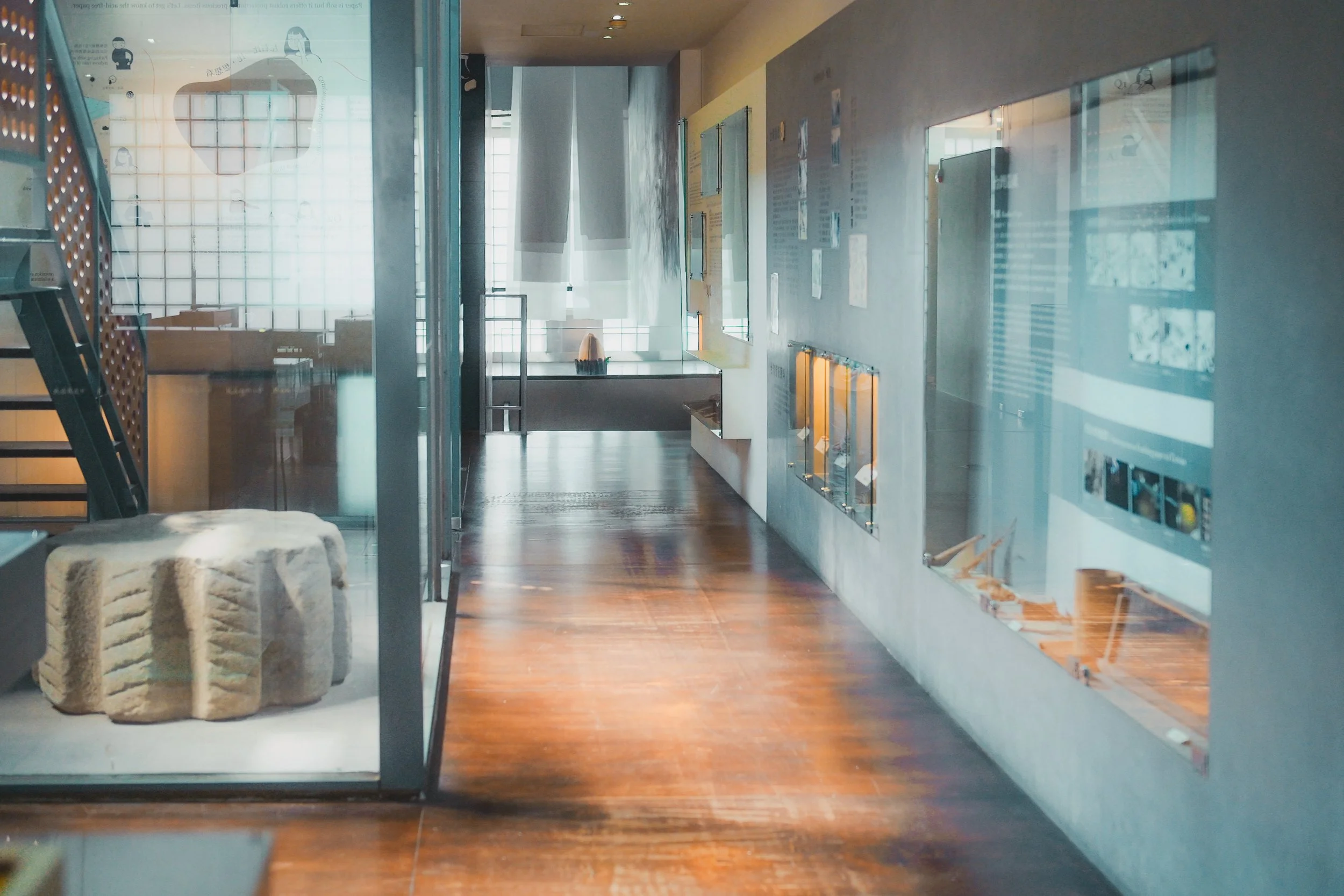
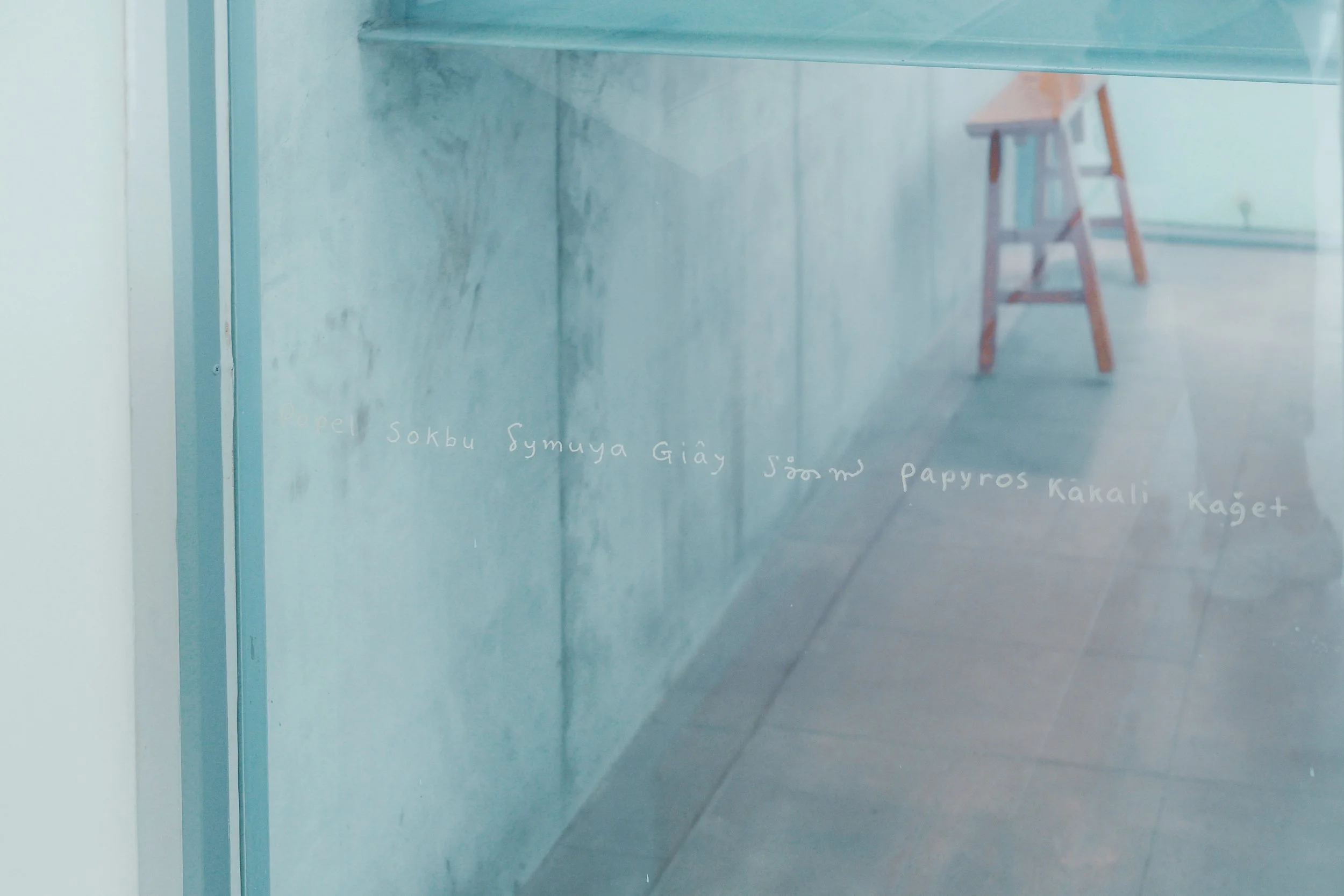
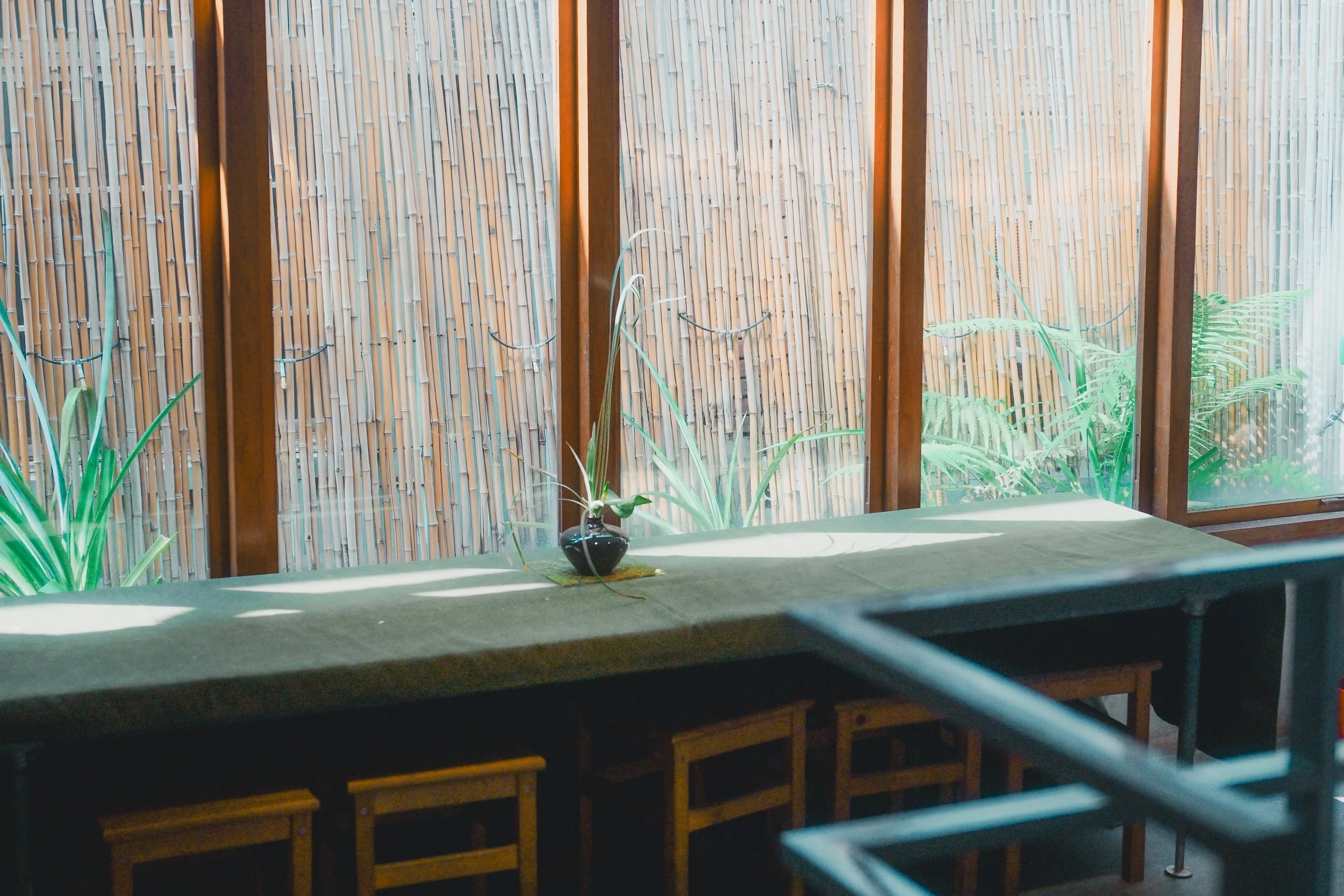
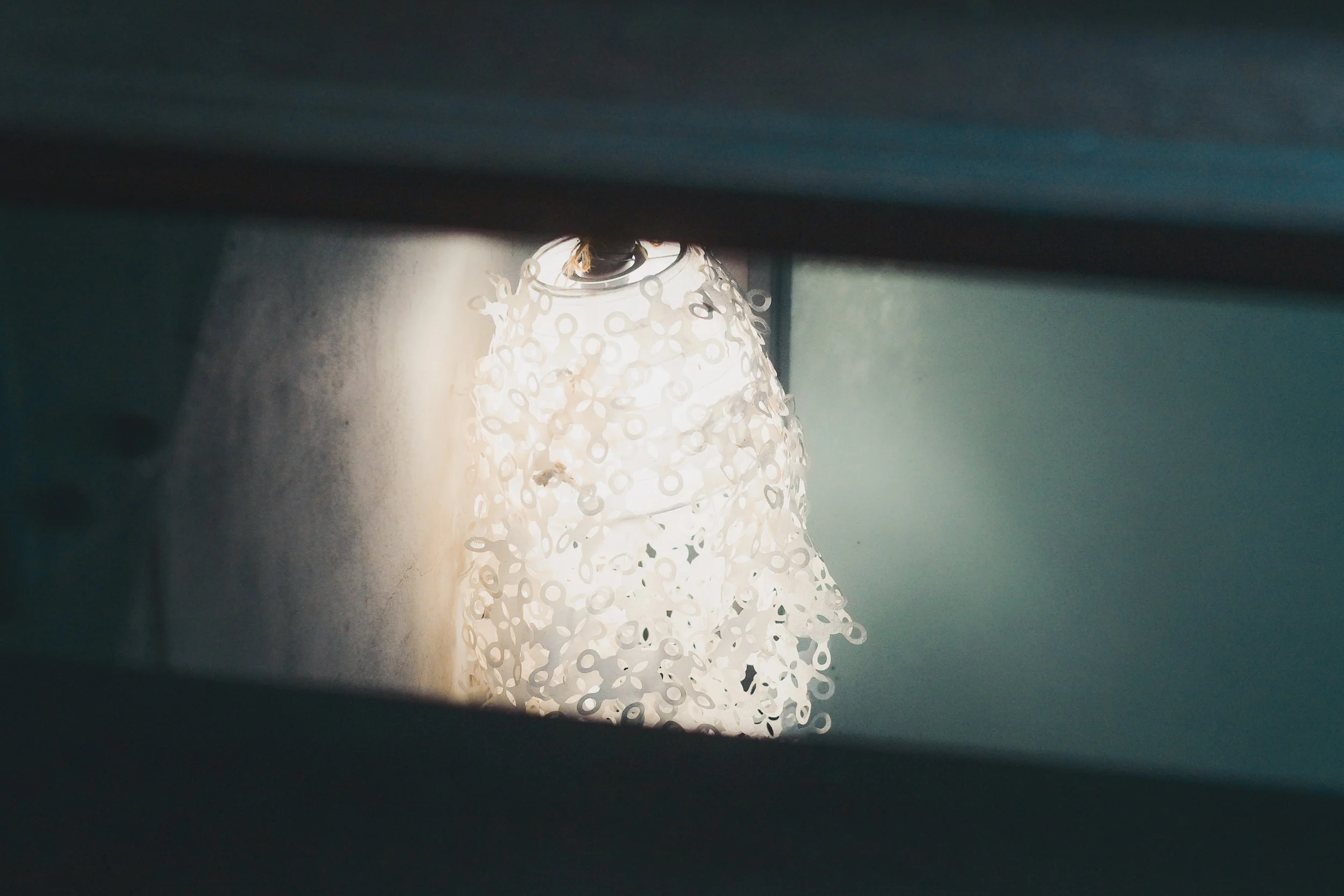
On the lower floors, matter reveals itself in its earliest state. Fibres drawn from bark and plant lie exposed — soaked, softened, beaten into pulp. There is a tenderness in this beginning. Paper does not begin as an object, but as something once living, gathered from the earth. What we later hold in our hands is not separate from nature, but a continuation of it, shaped through water, time, and touch.
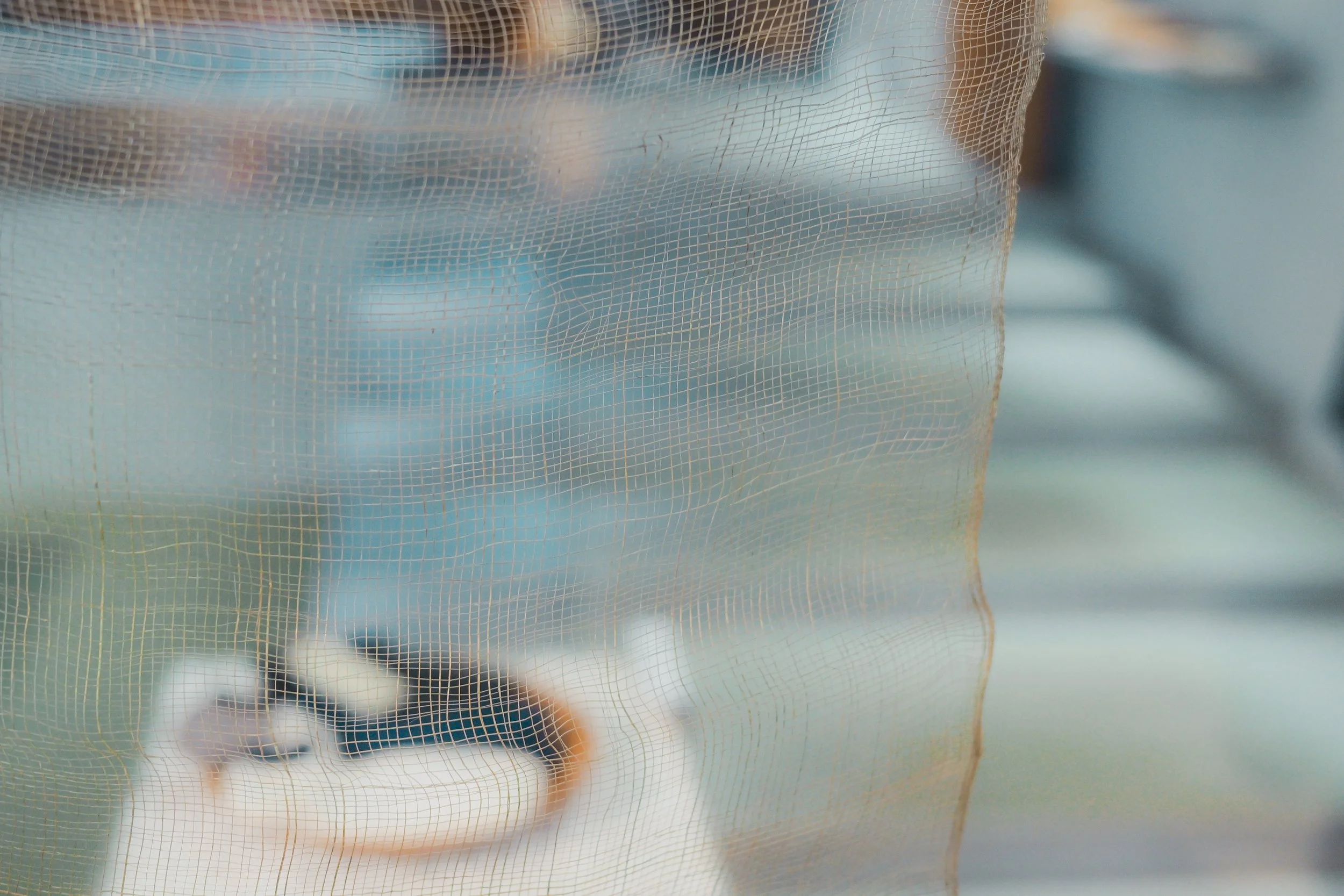
As you move upward, this transformation becomes perceptible. What was formless begins to gather itself. What was dispersed becomes whole. The museum does not rush this becoming; it allows you to witness how patience gives rise to form, how repetition refines matter into something capable of holding meaning.
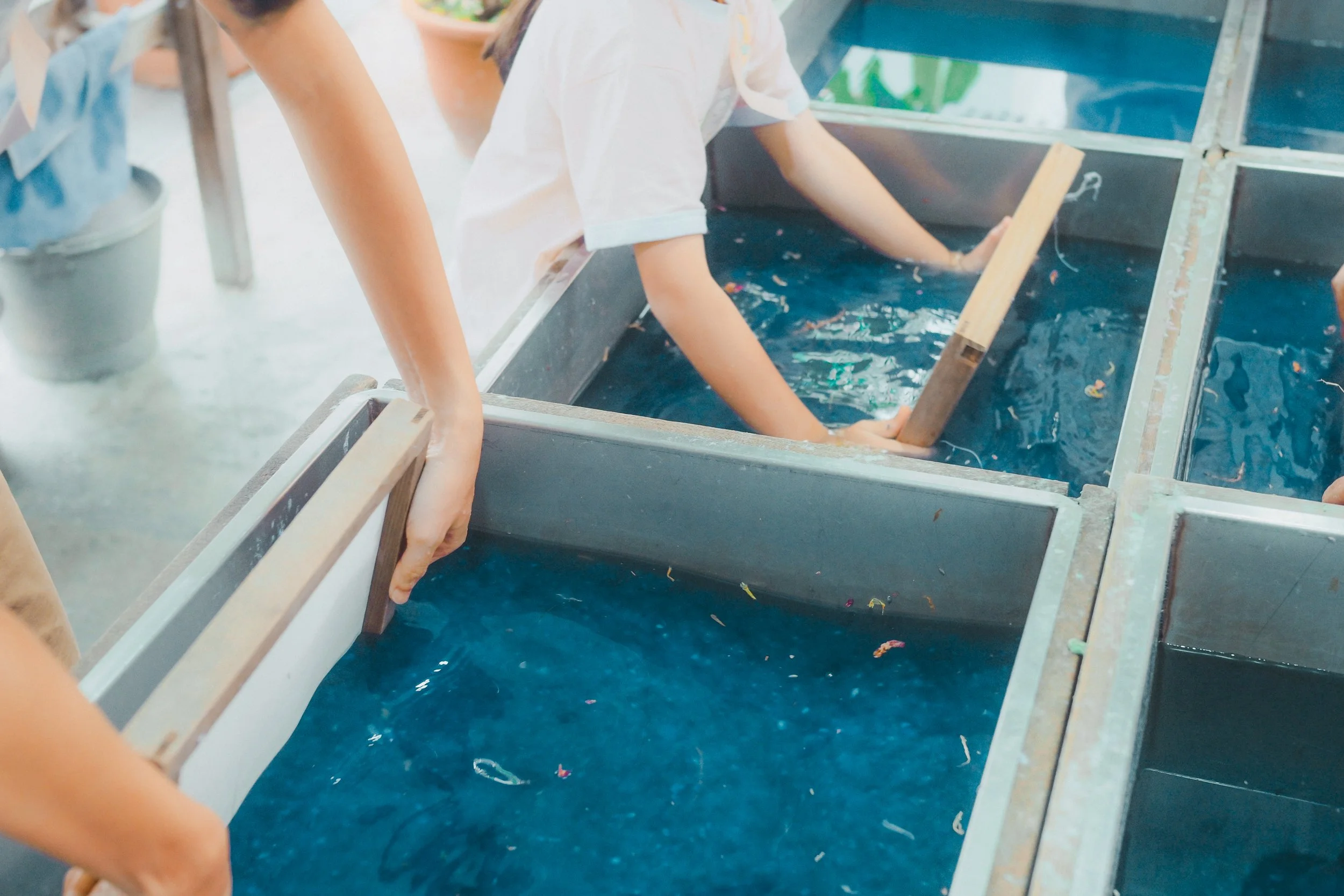
At the top, the process turns quietly personal. You are invited, if you choose, to make a sheet yourself. A wooden frame is placed in your hands, a vat of cloudy water before you. The gesture seems simple, yet it resists haste. The pulp drifts with a subtle will of its own, and to coax it into an even sheet requires a stillness that cannot be instructed, only found.
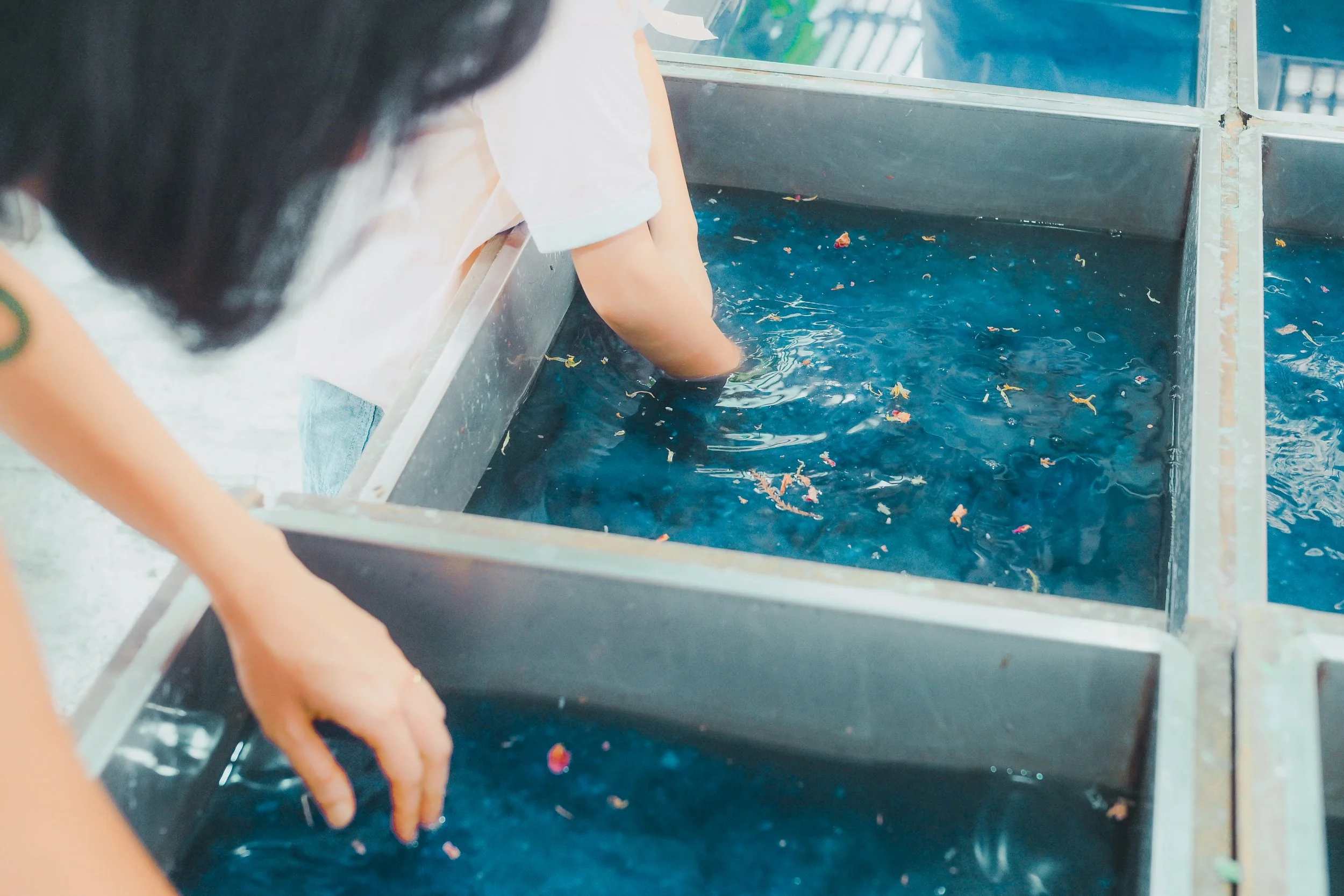
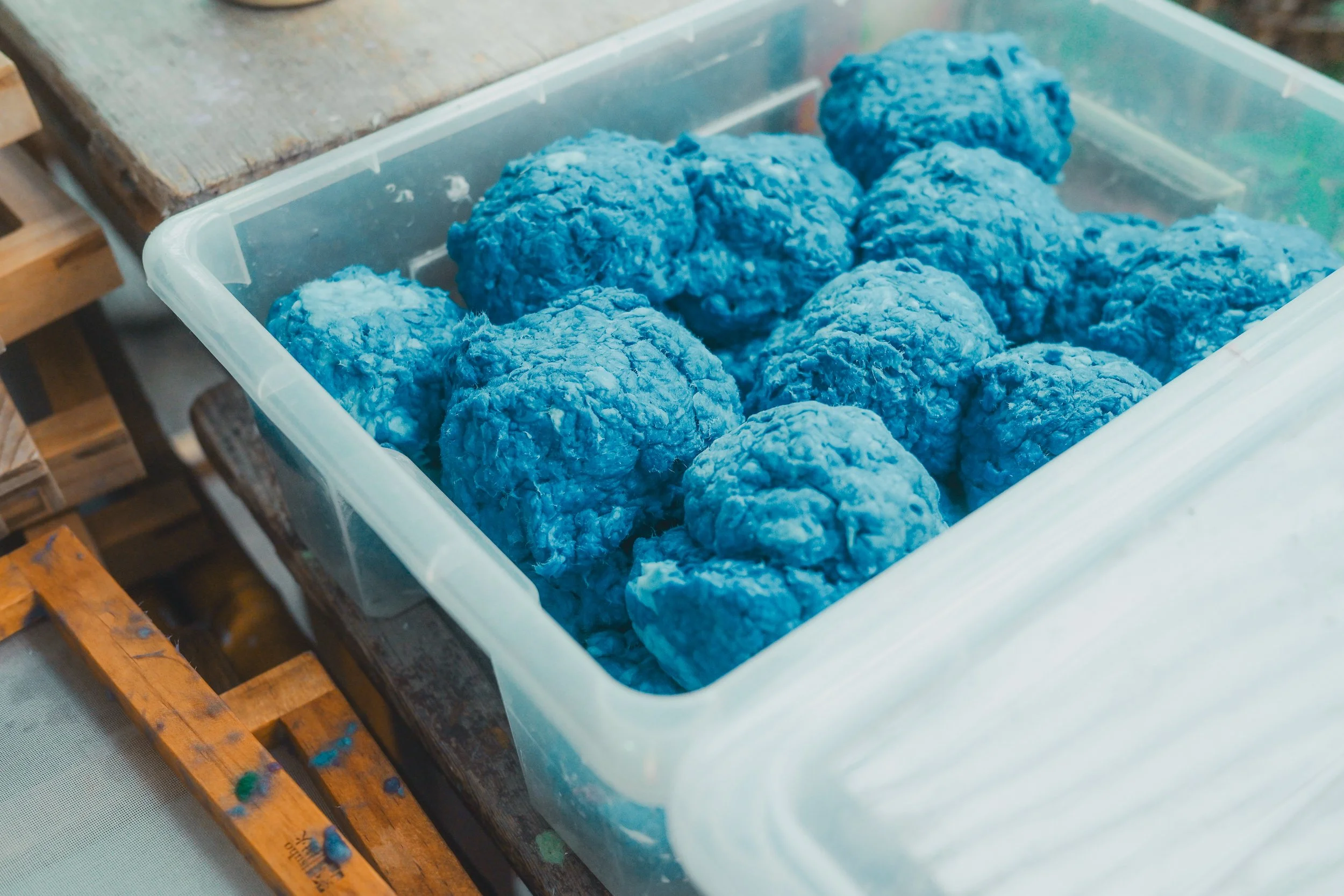
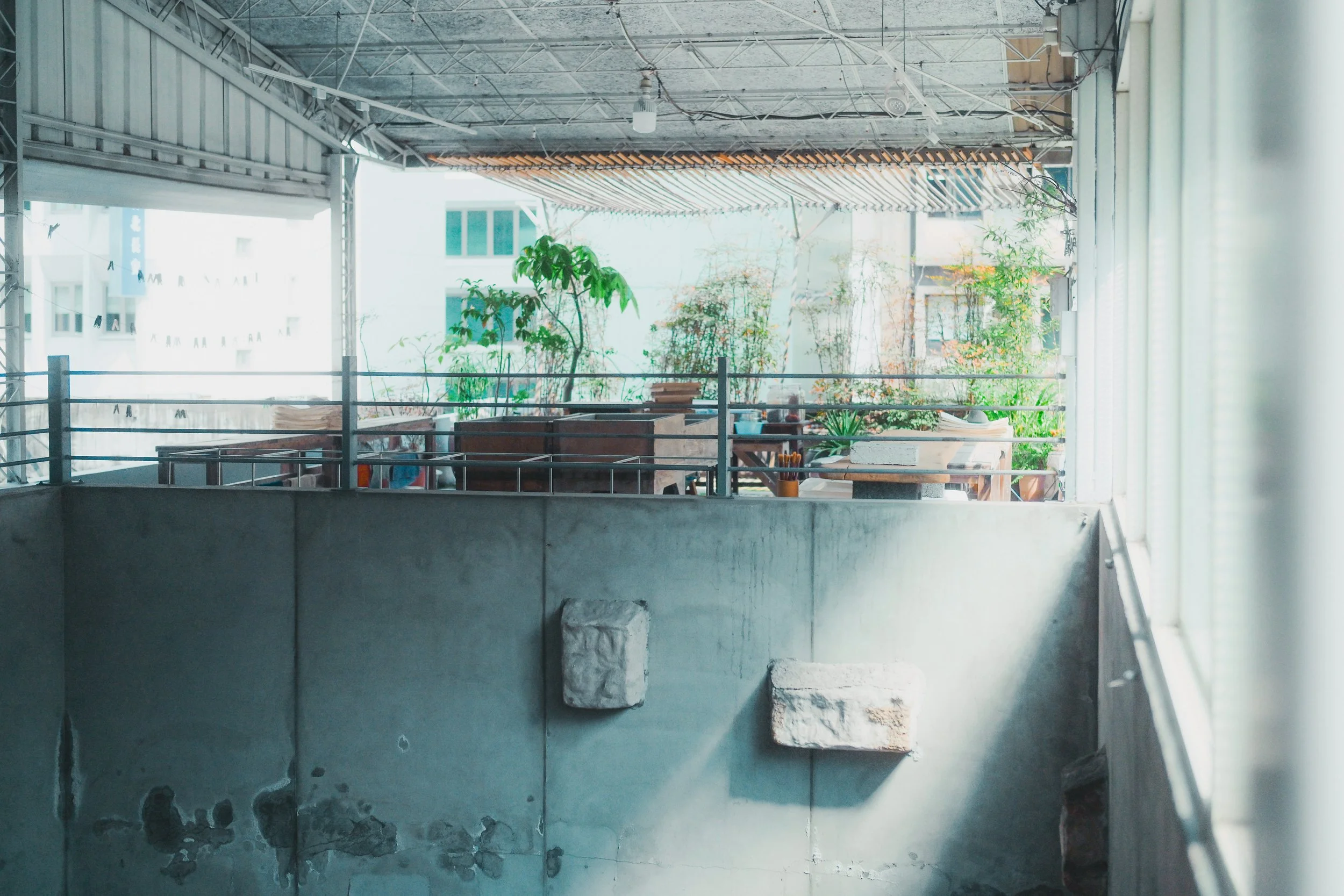
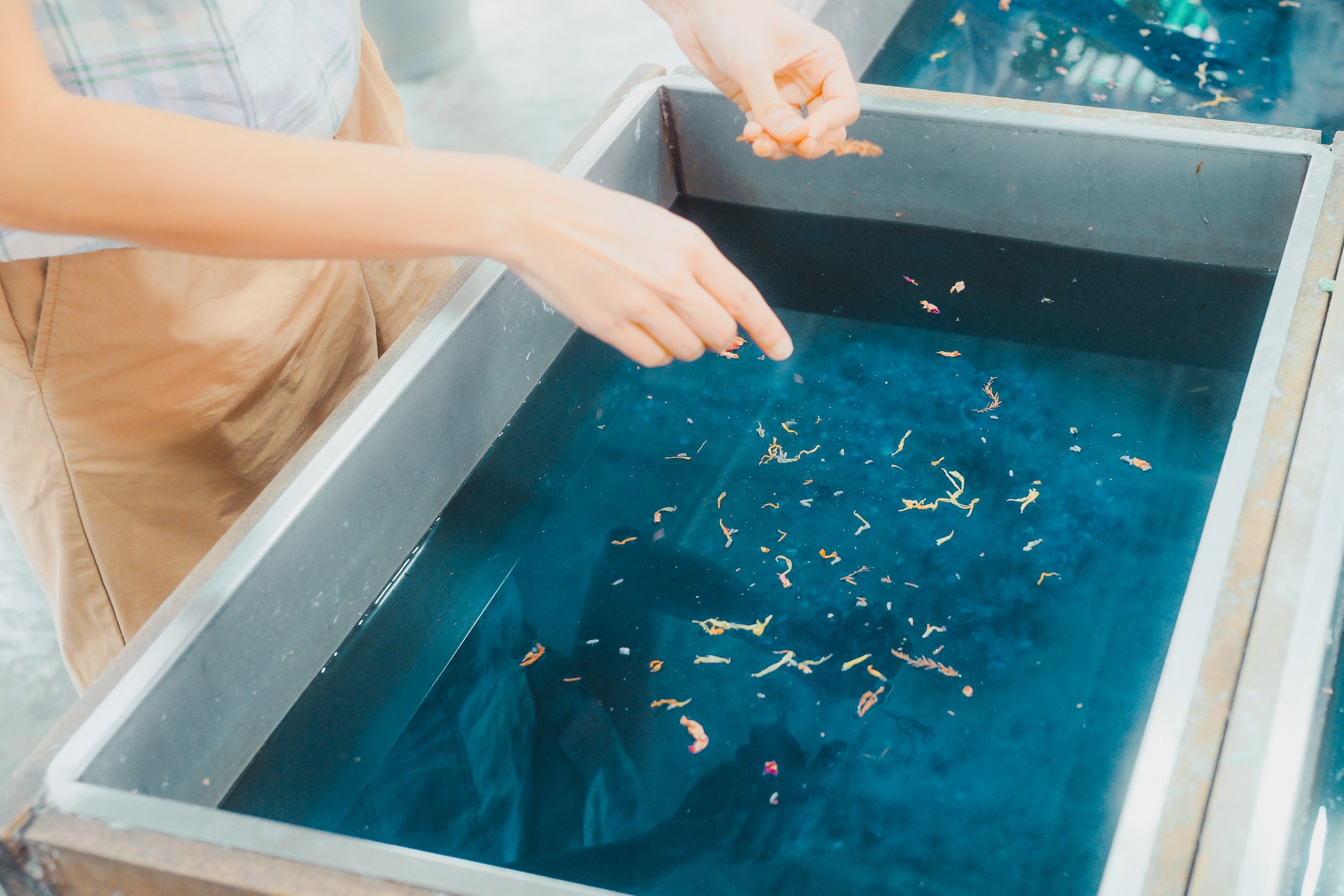
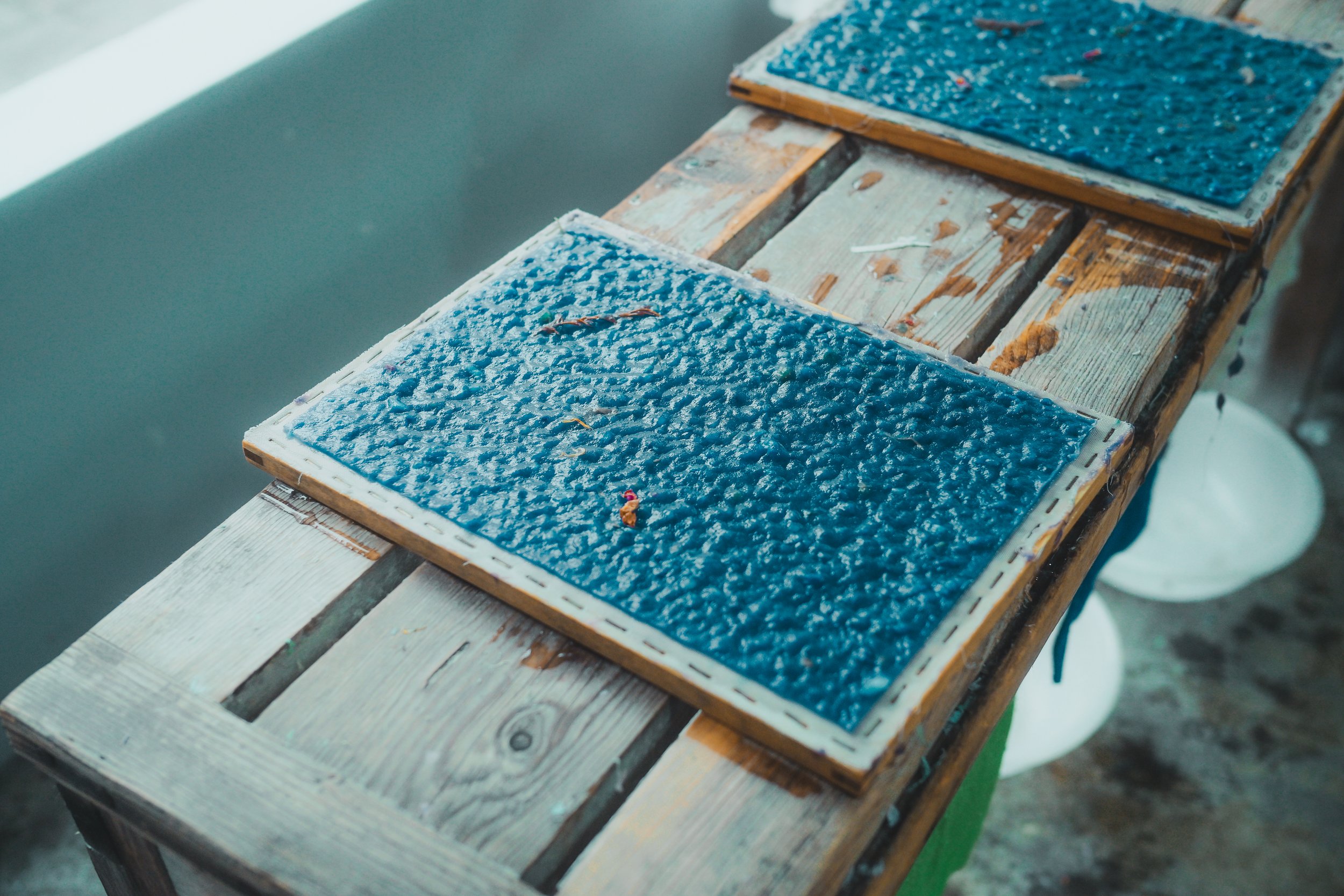
When the paper dries — thin, faintly textured, marked by the trace of your own movement, it no longer feels like a product. It feels like a moment held. A small beginning.
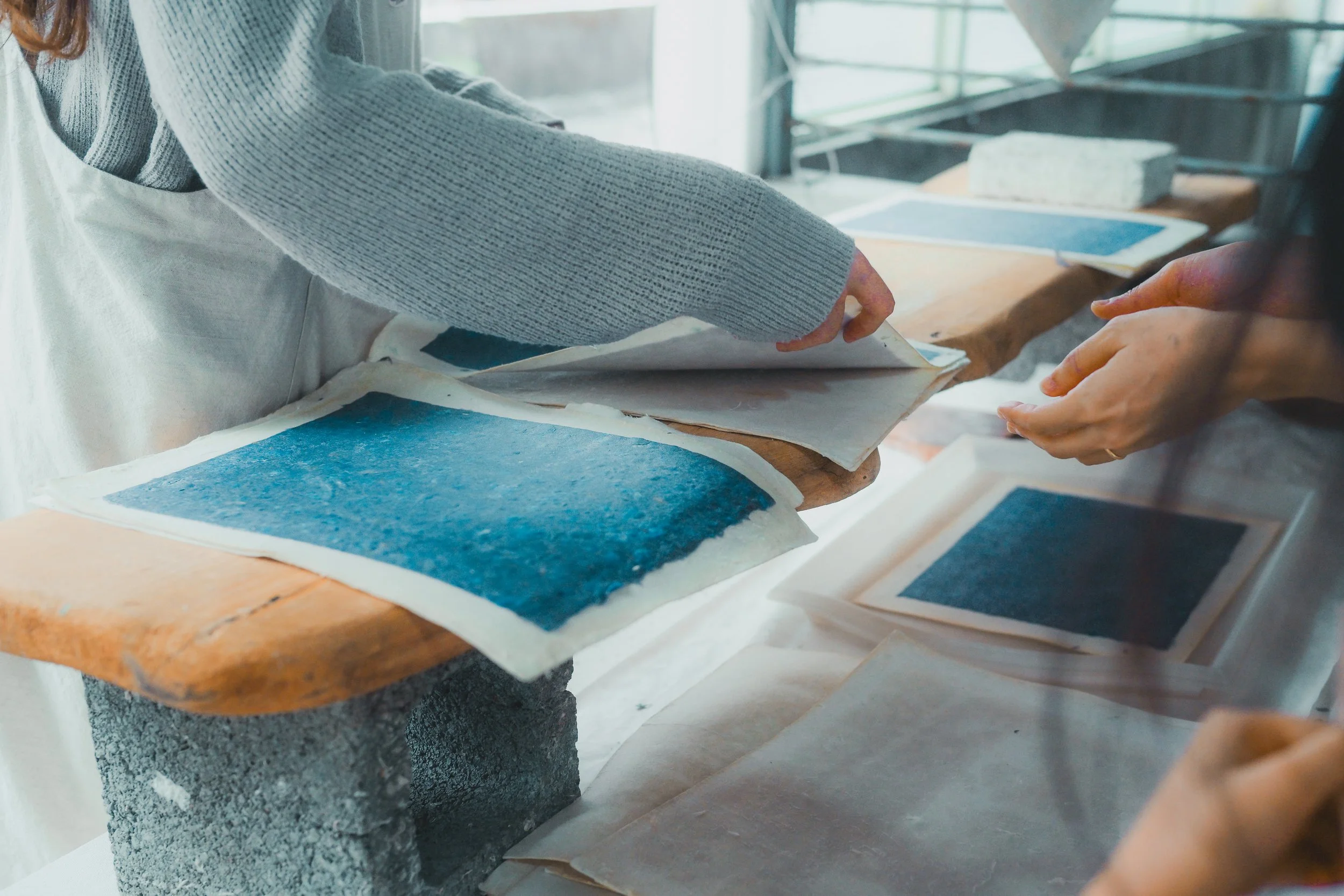
Paper is fragile. It yellows, it creases, it yields to time, to moisture, to neglect. In this way, it remains faithful to its origin. Like the fibres it came from, it belongs to a cycle — not of permanence, but of return. Taken from nature, shaped by human hands, and slowly, inevitably, given back.
And yet, it is precisely this fragility that gives paper its weight. The things we choose to place upon it — a poem, a vow, a fleeting thought we are not ready to lose, are made more meaningful by the vulnerability of the surface that carries them. What can disappear is what we choose most carefully to keep.
The museum does not need to be large to express this. It needs only to slow you down, to bring your hands into contact with something ancient and honest, and to remind you that making is not an act apart from nature, but part of its rhythm.
A piece of paper is never just a sheet.
It is a beginning. A birth.
Taken from nature, shaped by hand, and, in time, returned to nature.
Suho Paper Memorial Museum

No. 68, Section 2, Chang’an East Road,
Zhongshan District, Taipei City 104, Taiwan
Text and Images by ANATOMY OF THINGS