
A Long Life Through Co-existence
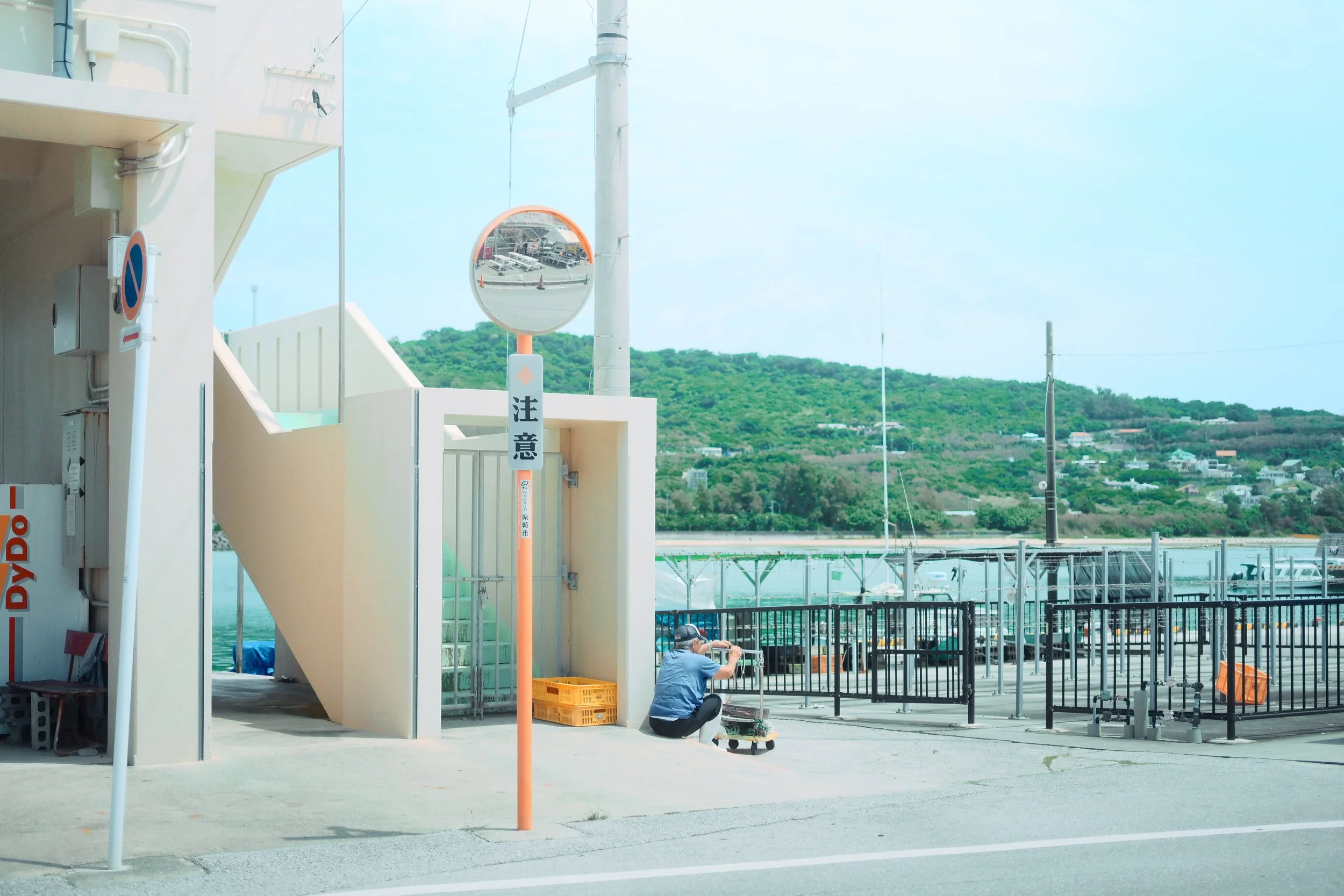
Okinawa – a place quietly apart from the rest of Japan, as if it had drifted south and decided to stay there on its own terms. Geography is not the only thing that sets it apart from the mainland. The vegetation, cuisine, climate even the architecture feel unfamiliar, distant from what one might typically perceive as Japanese. Perhaps it was precisely this inability to fully grasp Okinawa, to piece together an understanding of it, that drew us here.
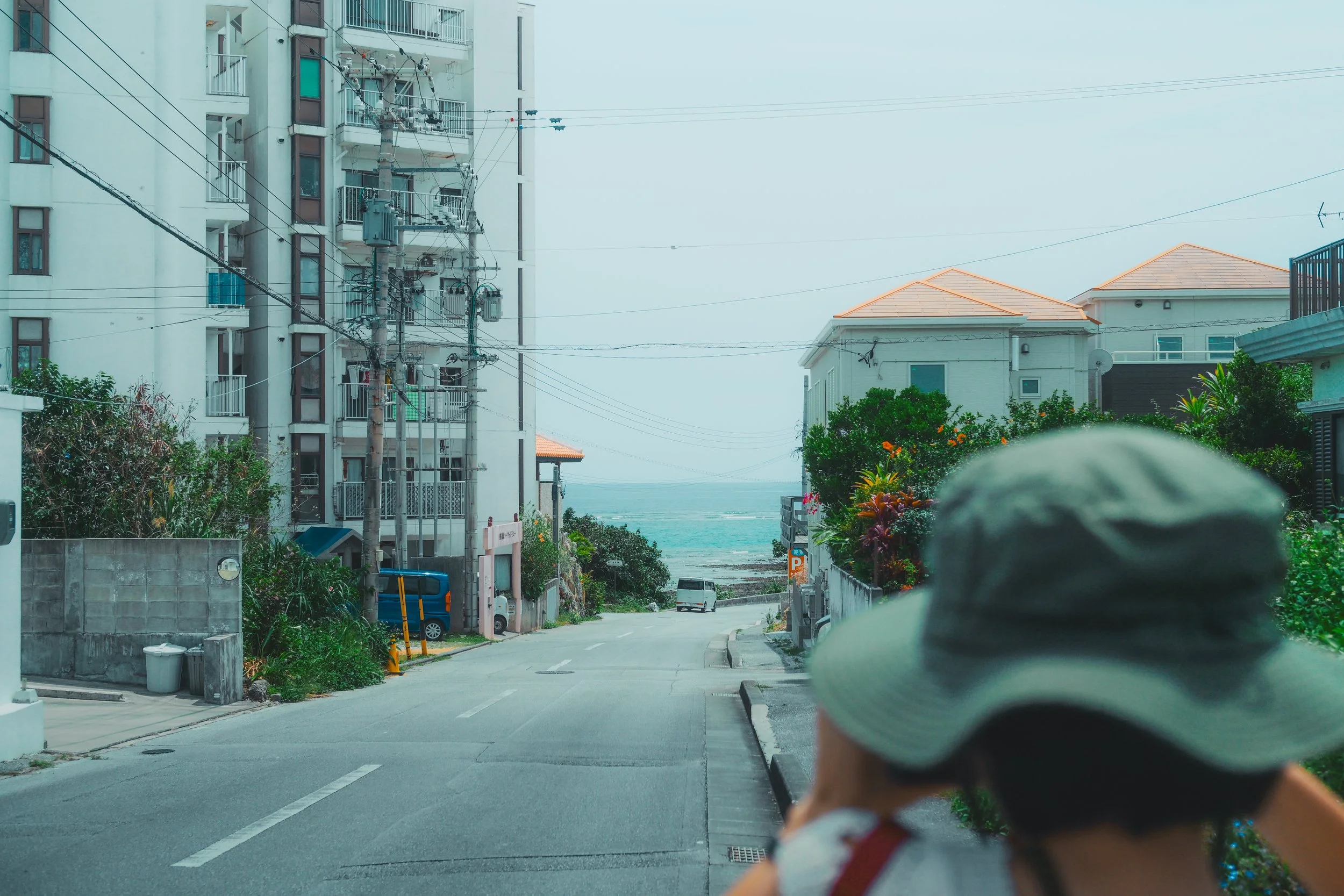
Upon arrival, we quickly realised why we were unable to draw any clear reference from mainland Japan. Chinese-style stone lions and gates stand beside palm-lined streets that lead into shopping alleys filled with billboards of American brands and glimpses of nearby military bases. The island feels like a collage of histories and influences, stitched together yet never fully blended.
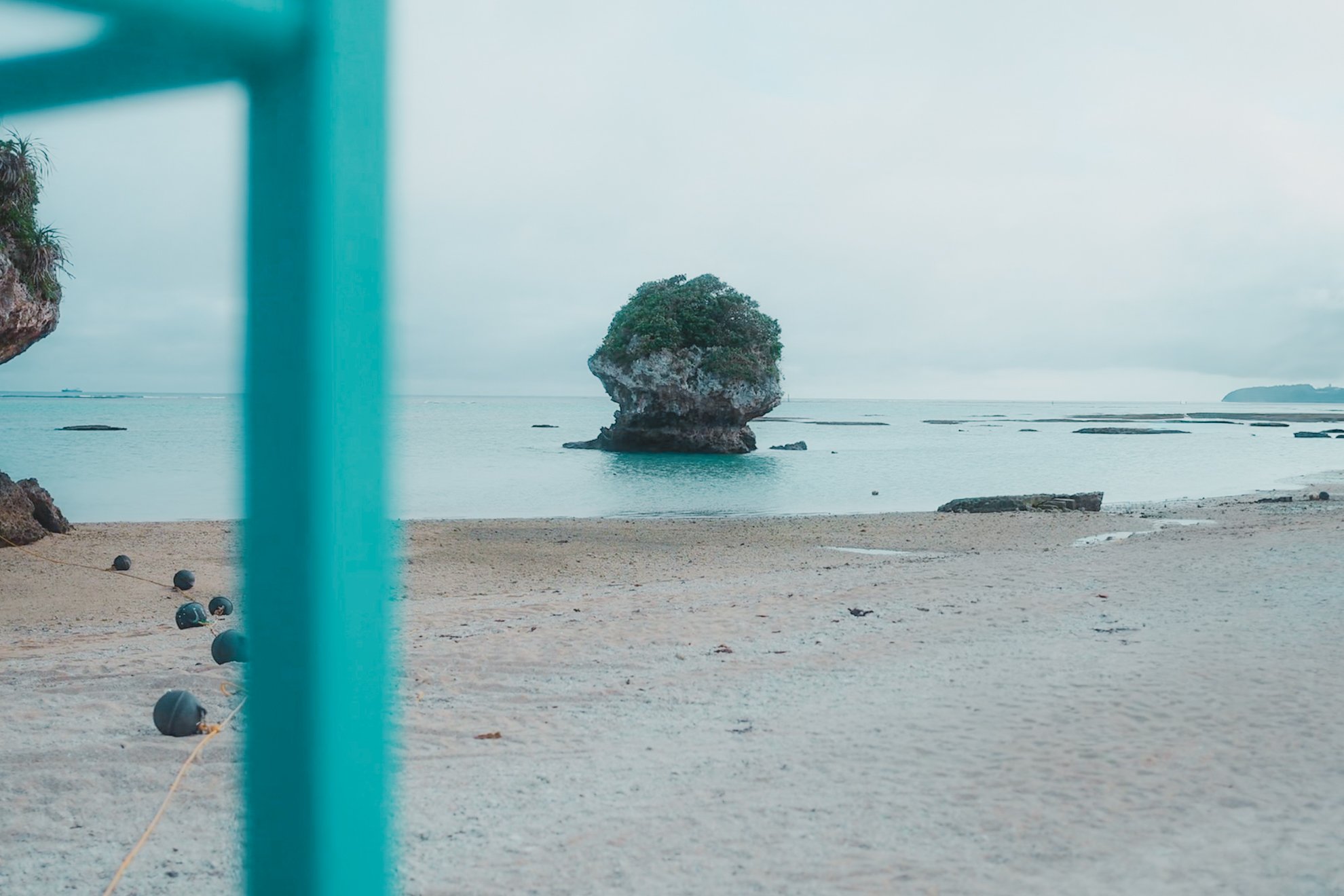
Soon we understood that Okinawa wasn’t a place to be grasped or explained, but one to be embraced. Our journey wasn’t about decoding its mysteries, but about immersing ourselves in its rhythm and living within its essence. In many ways, we were drawn to Okinawa for one more reason – the two blues of the island.
The first is the iconic blue of the sky and sea, a mesmerising expanse familiar from magazines and social media, a blue that promises freedom and an escape from the world. The second blue is more abstract, yet more profound. Okinawa, a blue zone, is home to some of the world’s longest-living individuals. We thought visiting might offers a glimpse into longevity not as a statistic, but as a way of being. And so our search for the two blues began.
For days, we drove from one end of the island to the other, chasing the colours we had come for. The road bent and stretched past towns, fields, and quiet coasts. Each turn held the promise of blue. Yet the first blue – the sky and sea – hid from us. Rain fell, clouds gathered, and the horizon blurred into grey. We waited, we wandered, but the vast blue never fully appeared.
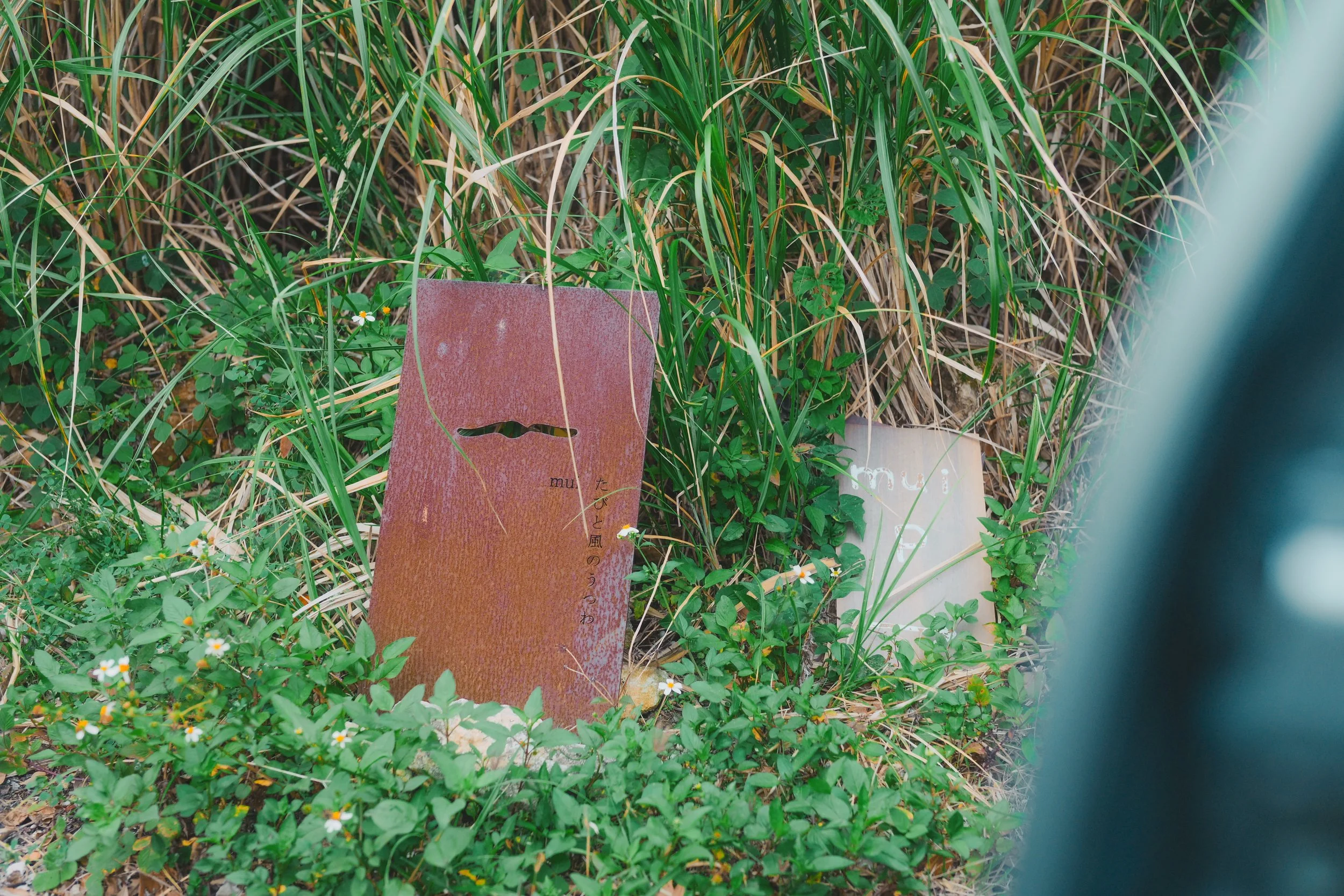
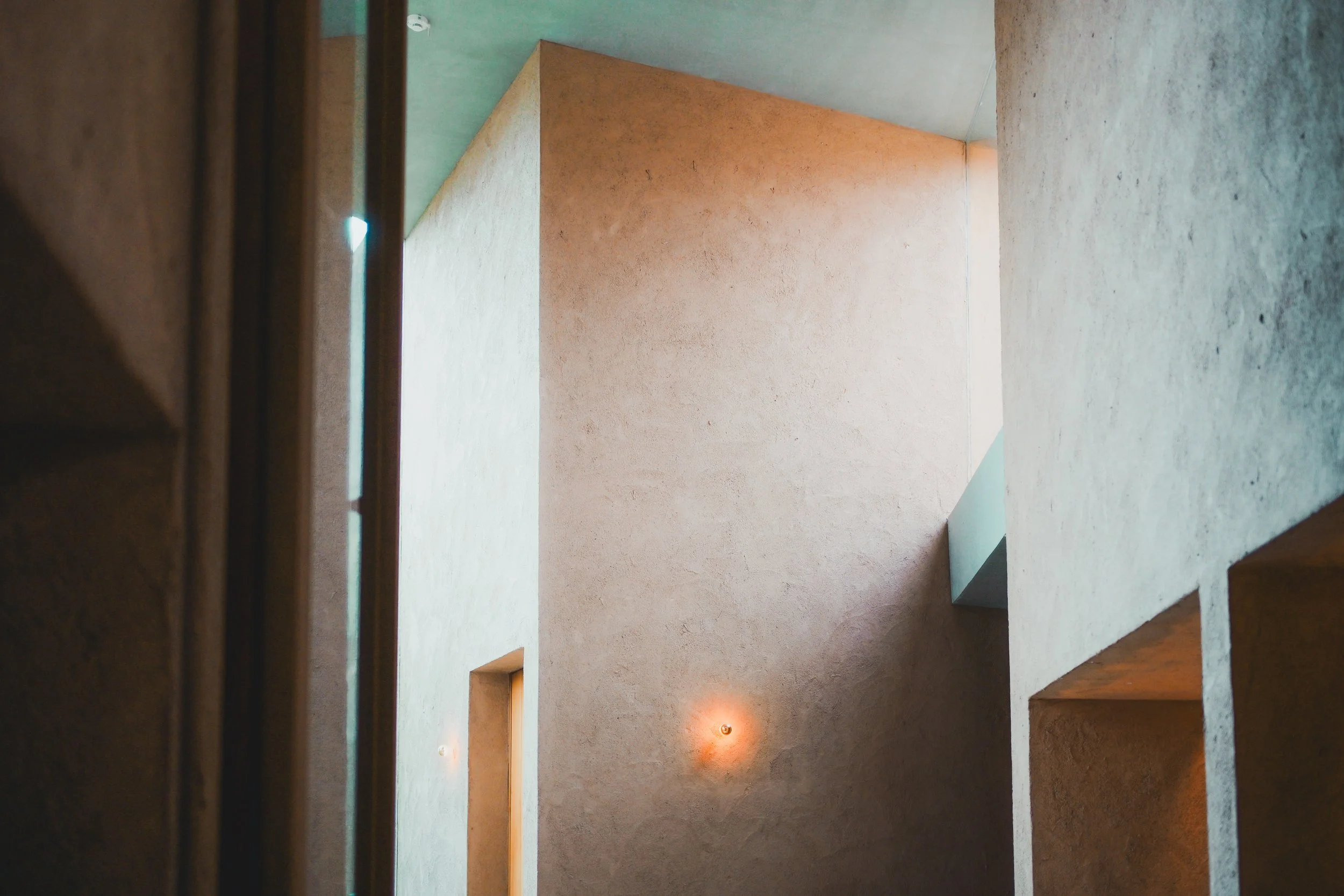
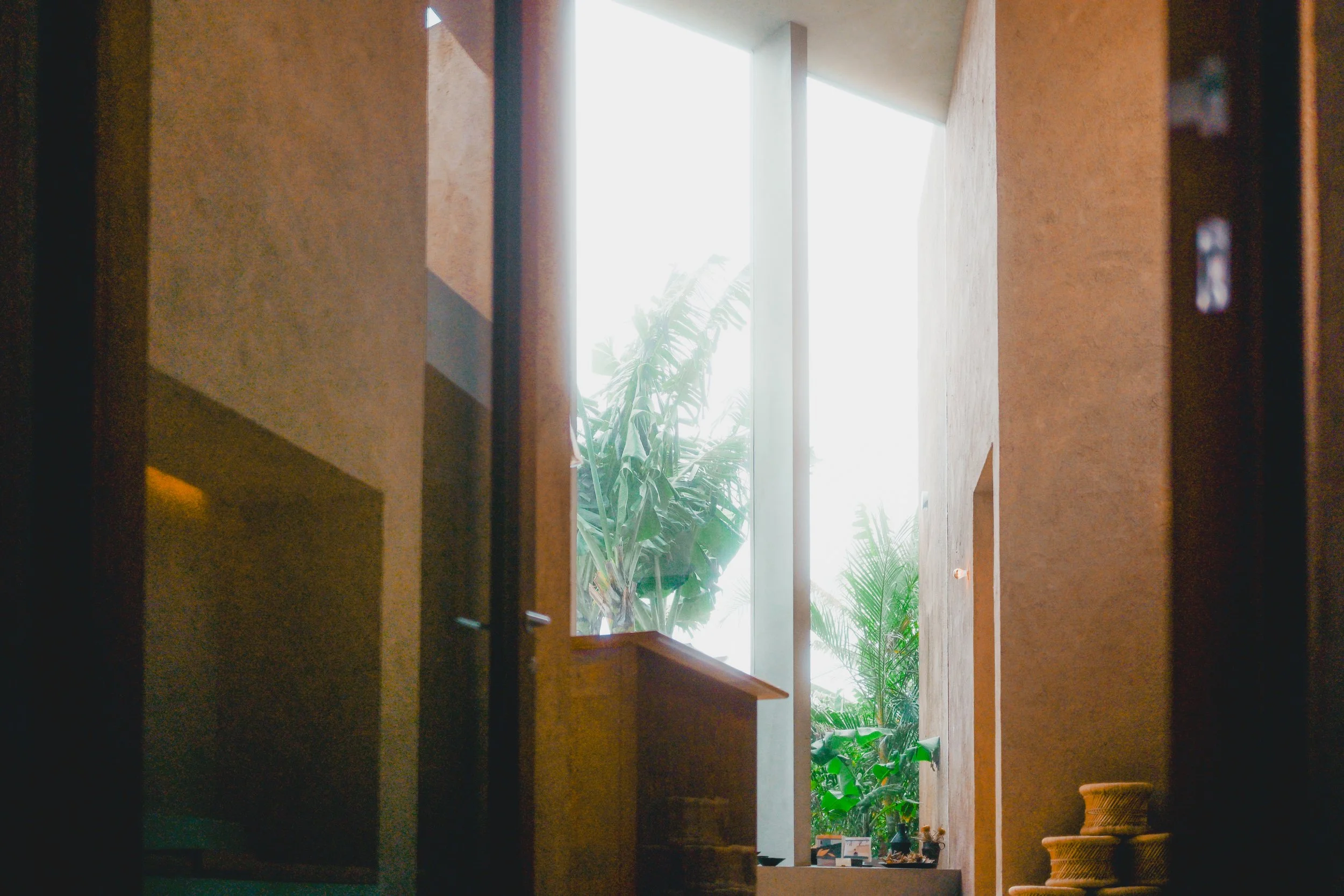
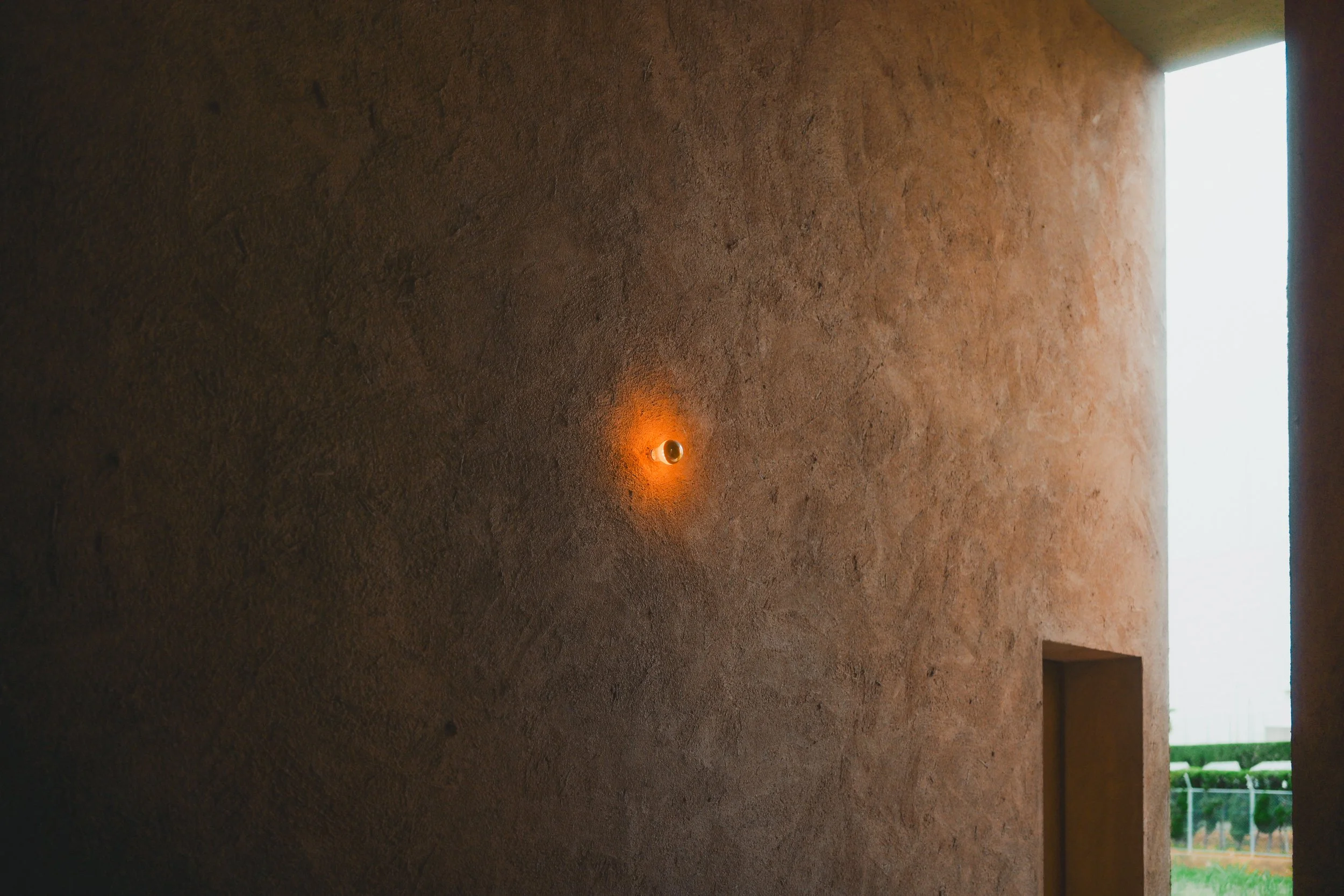
Then, in the southern region of Nanjo, the second blue found us. It lived in the rhythm of the island, in lives unhurried, in small local businesses where work and home intertwined. Yet we did not arrive in Nanjo by accident; our love for architecture had brought us here. While planning our trip, we discovered Hotel Mui and were immediately drawn to its architectural design. For us, one of the most intimate ways to experience a country’s culture is through its architecture. To live, even briefly, in a space shaped to respond to a place’s climate, topography, and conditions is perhaps the closest one can get to truly living like a local.
This desire for immersion naturally shaped how we chose our accommodations. We often look for a place with a kitchen – whether private or shared – and this simple requirement quietly directs us toward small hotels, inns, or homestays. A kitchen changes the way one encounters a place. Food becomes more than sustenance; it becomes a language. Eating something prepared by another person in a foreign land is to understand the world through their choices – the flavours they favour, the memories they carry, the seasons they trust.
But cooking in that same place offers a different kind of understanding. It reveals culture through contrast. Ingredients you do not recognise, tools that do not move the way your hands expect them to, recipes that shift their meaning when touched by a different climate – all these remind you that familiarity is not fixed, but something that reshapes itself in response to where you stand.
Cooking draws us into the everyday life of a place. It takes us to the markets where locals shop, where the pace of the day is set not by urgency but by necessity. It invites us to recreate the dishes we know with what the region provides, accepting that the result will never be identical. Something changes in the translation – a flavour, a texture, a rhythm – and in that change, we encounter the place itself.
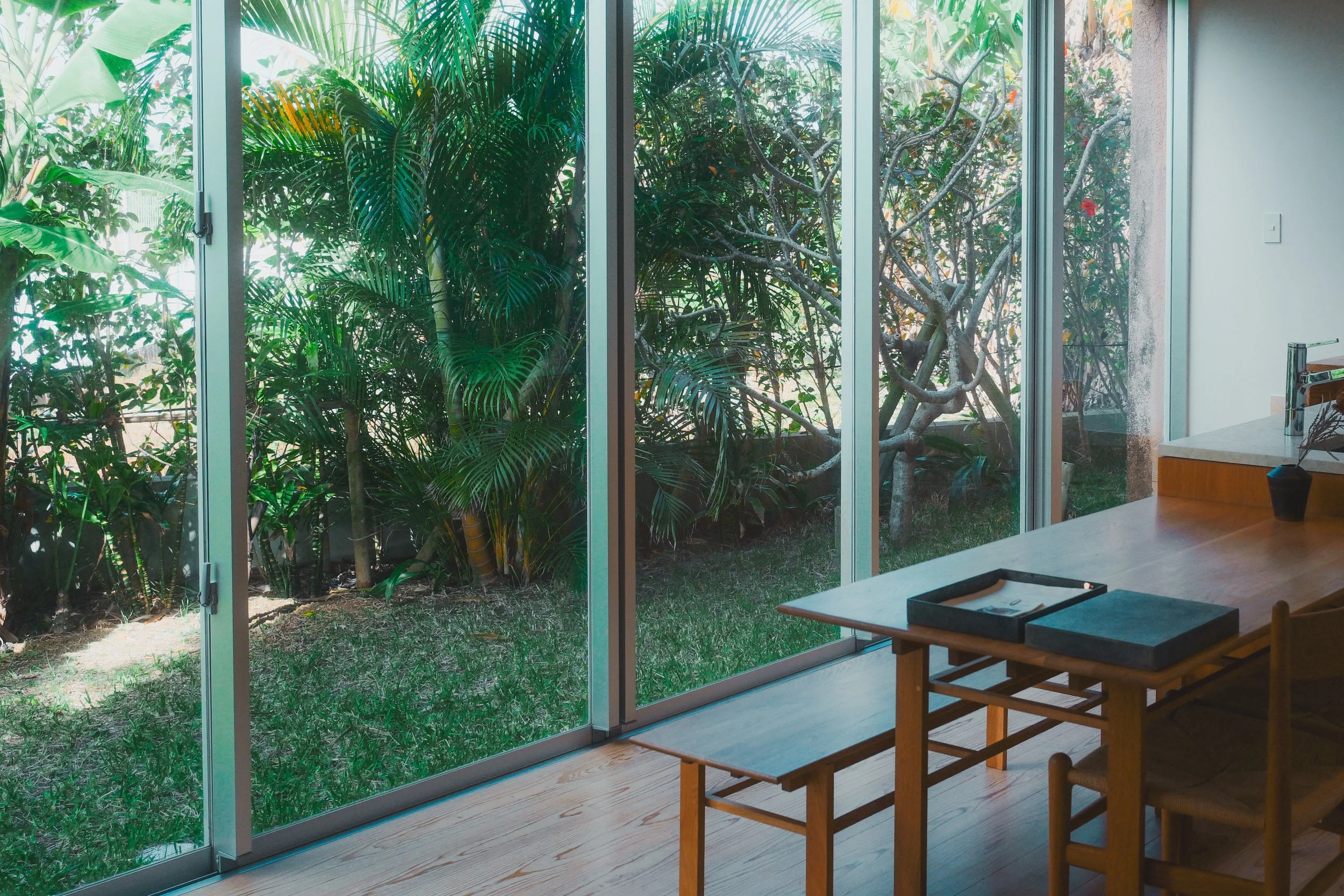
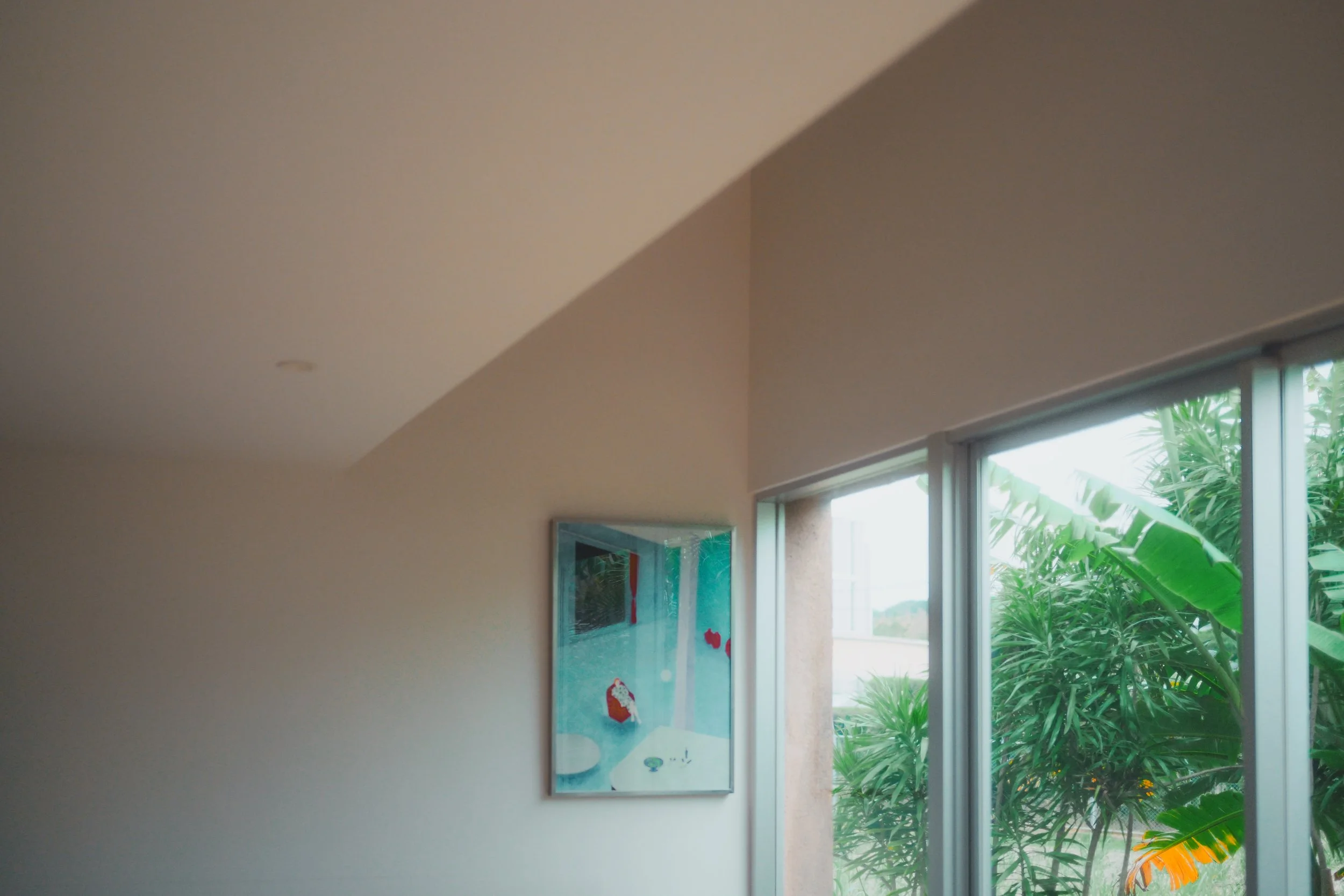
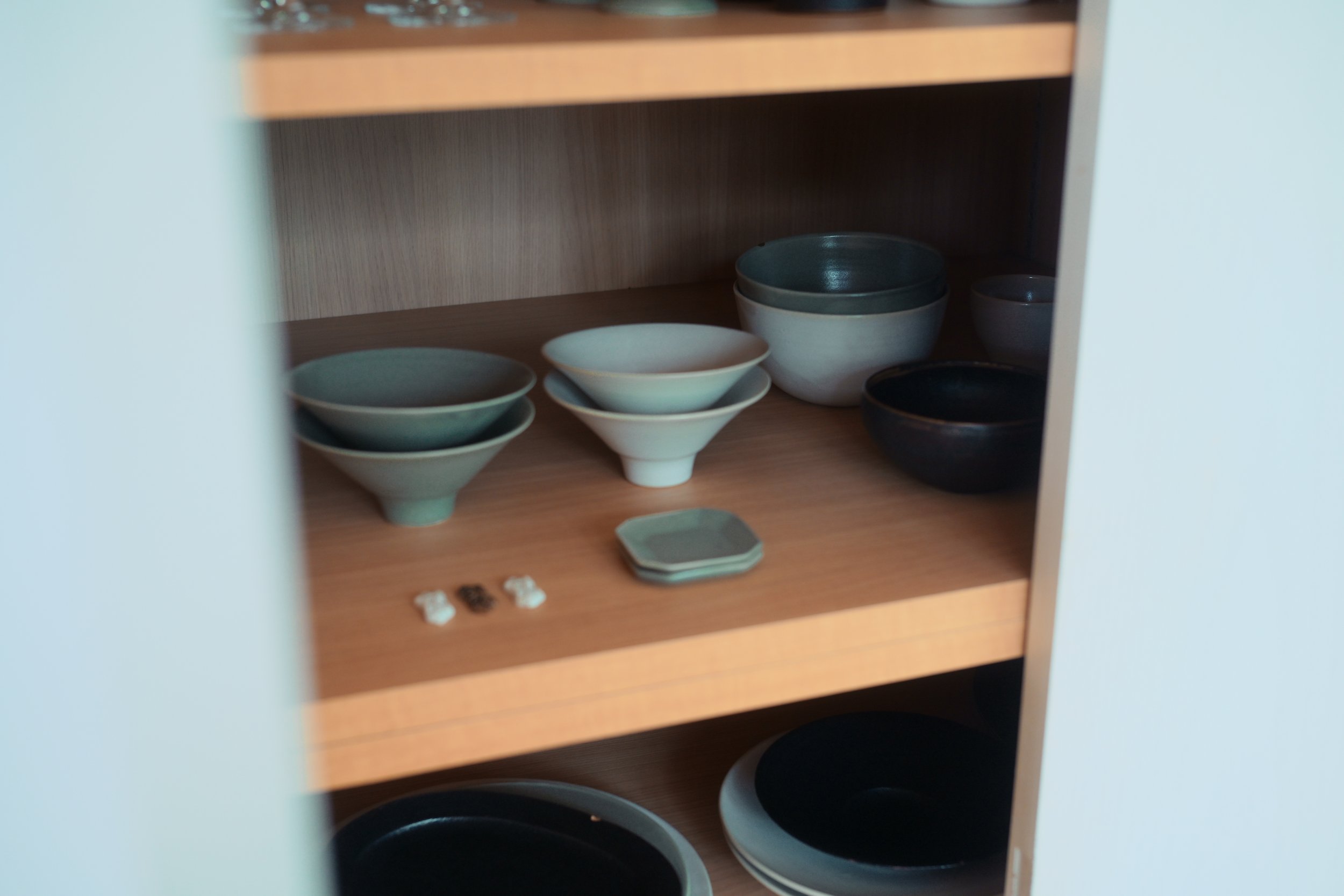
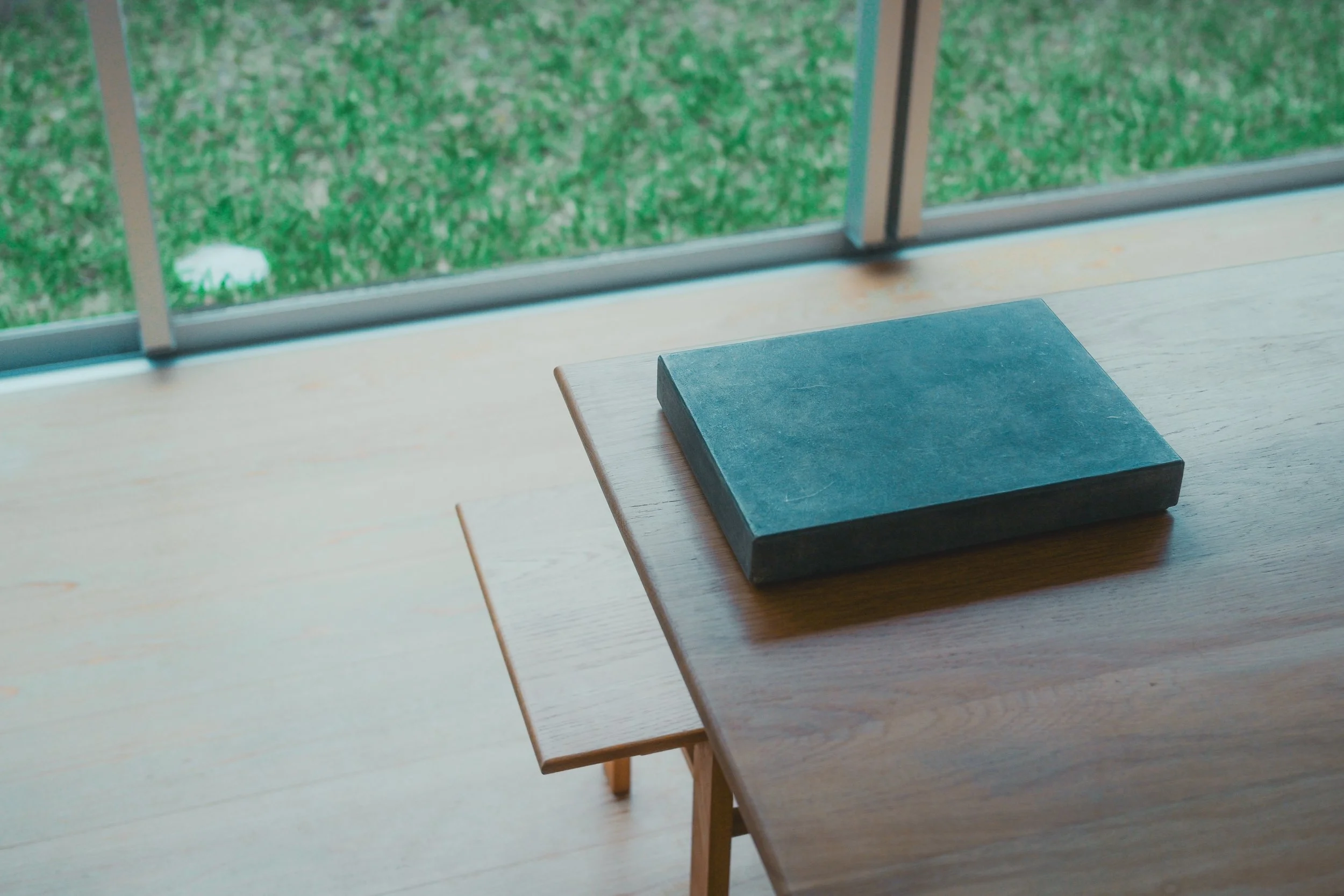
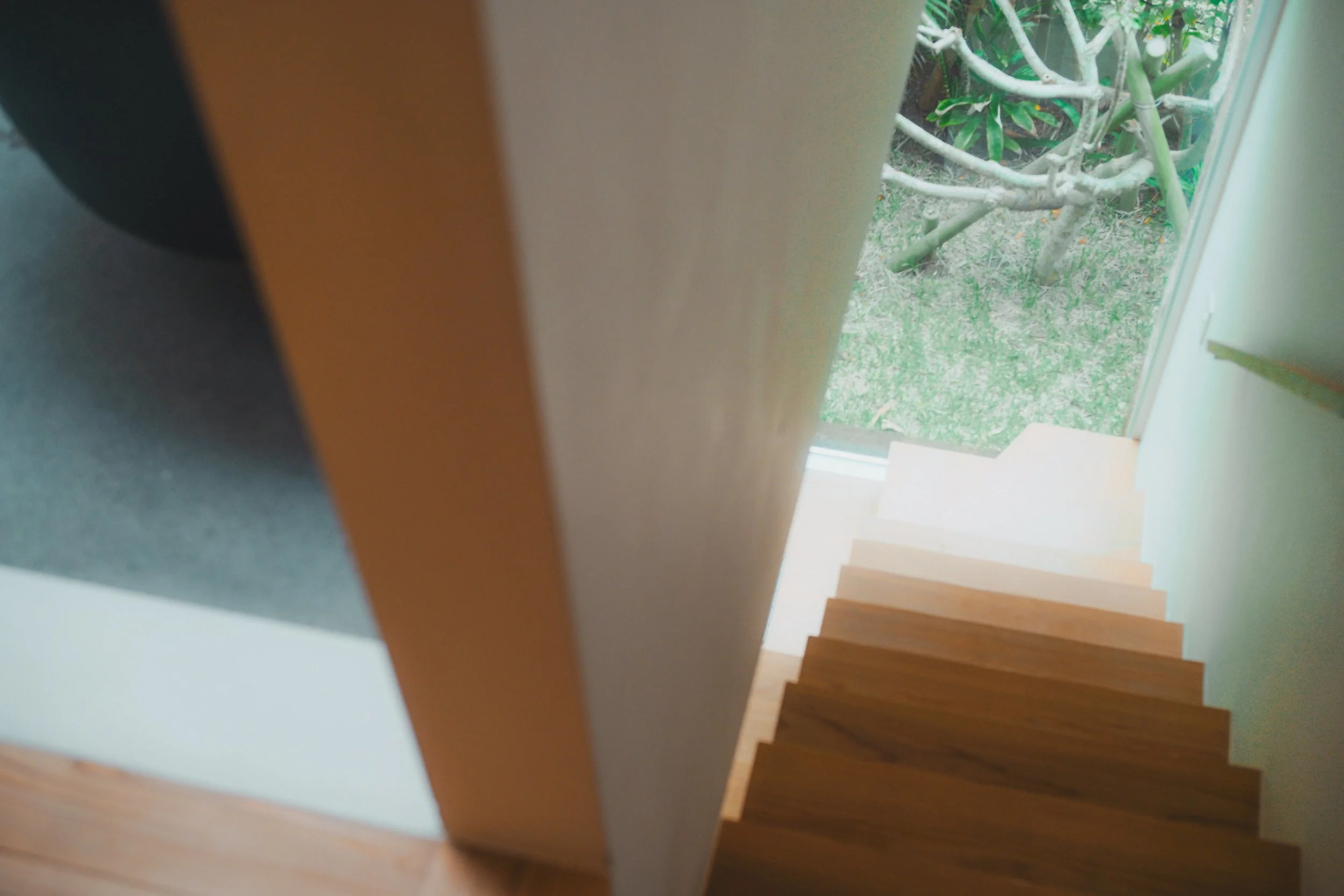
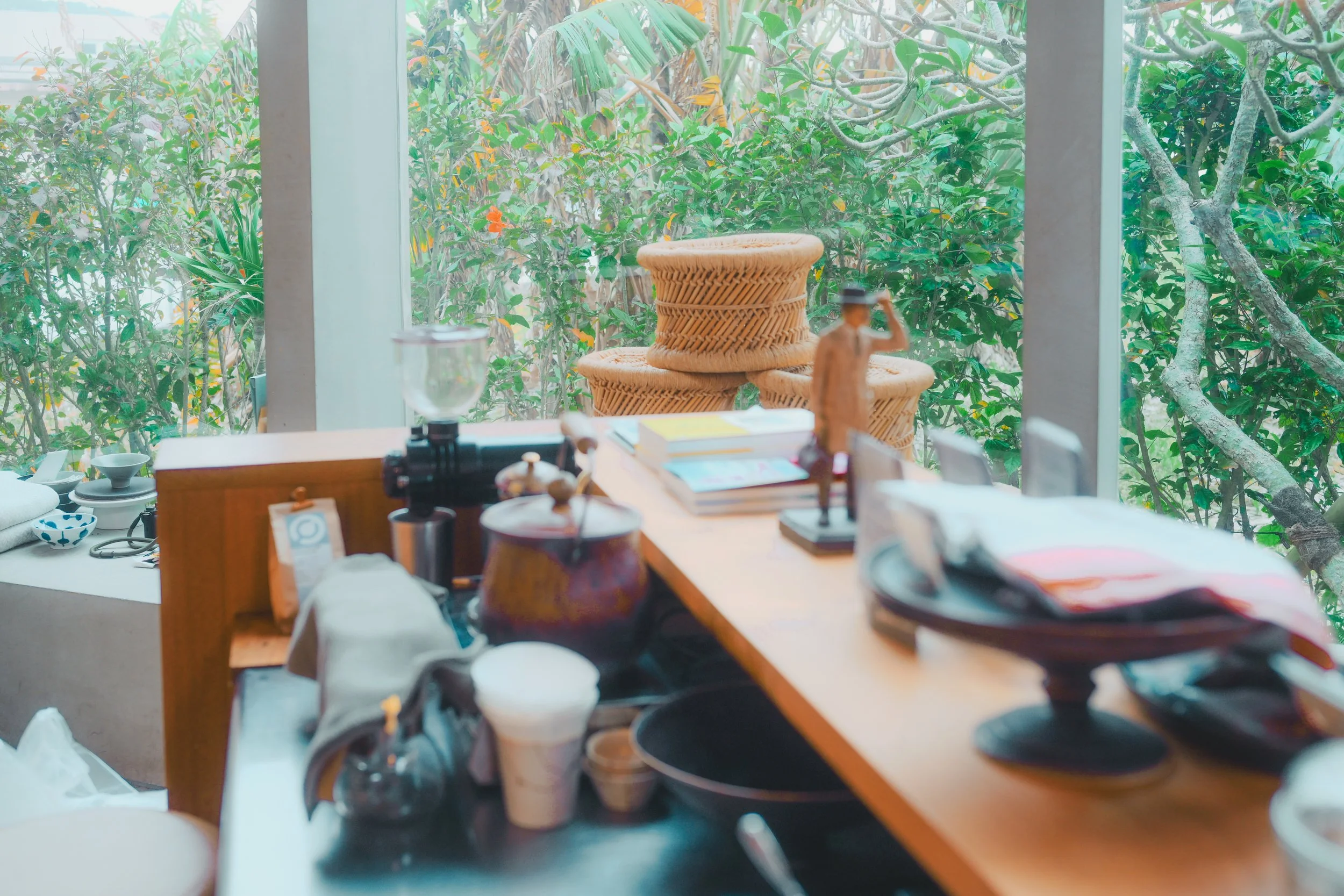
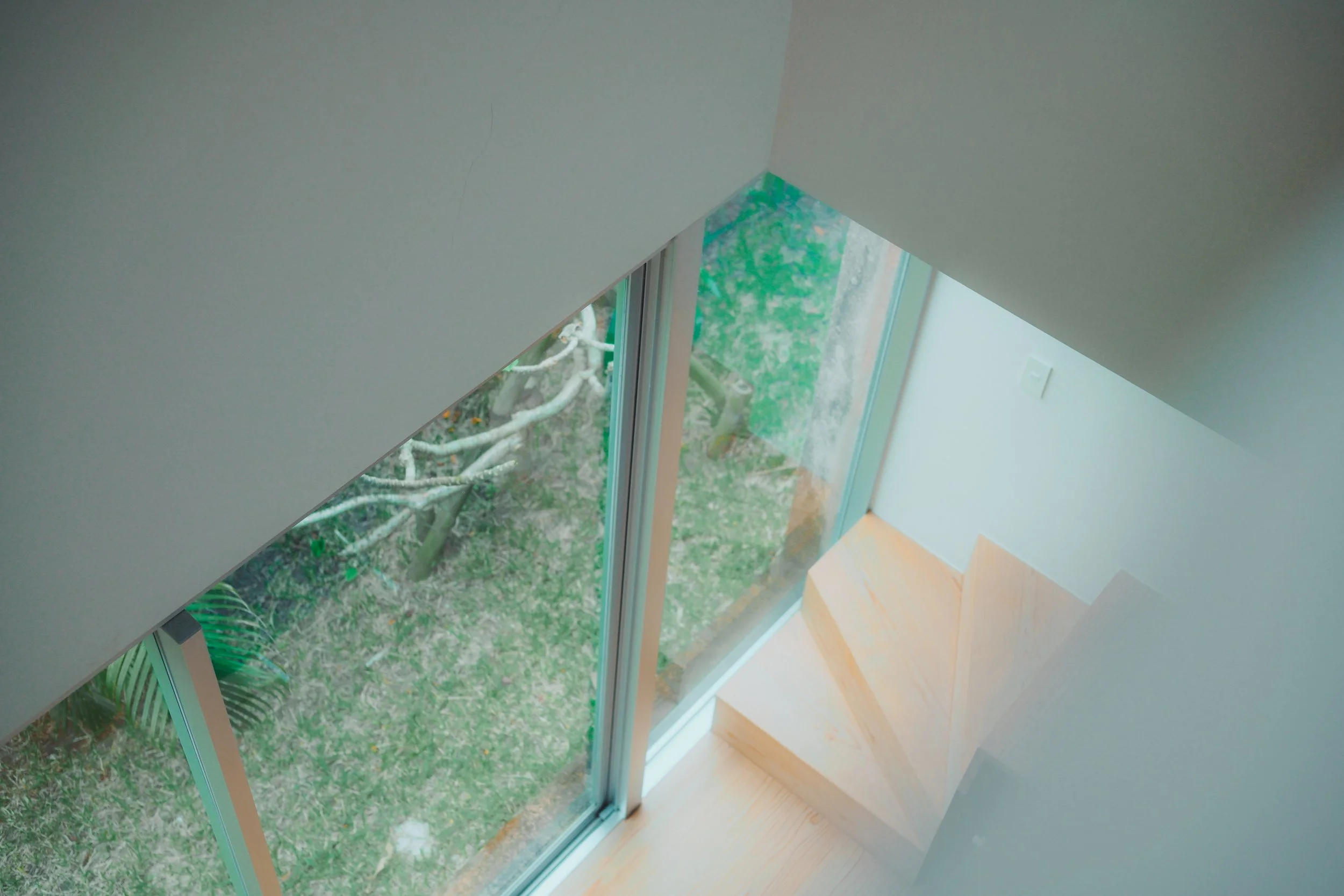
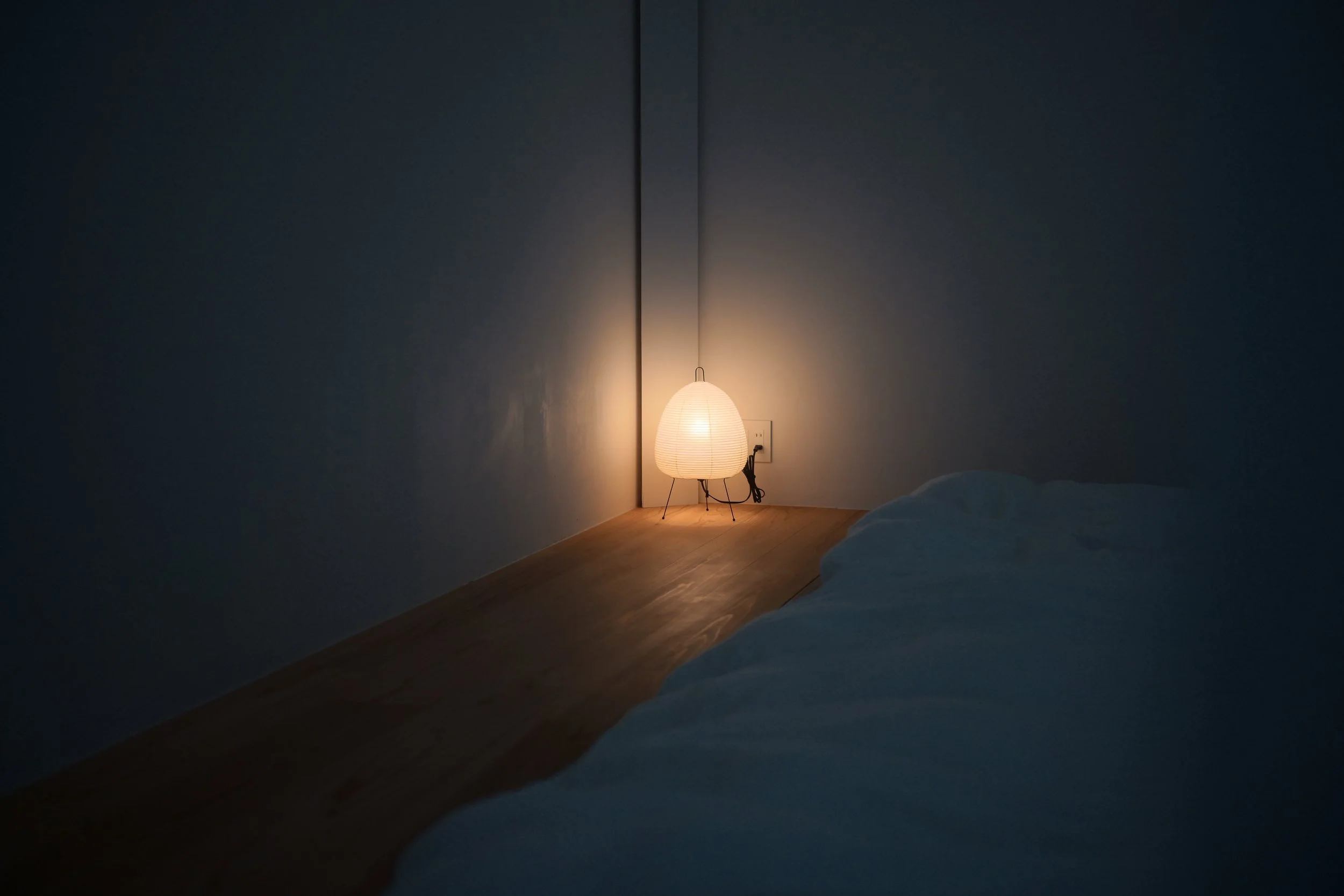
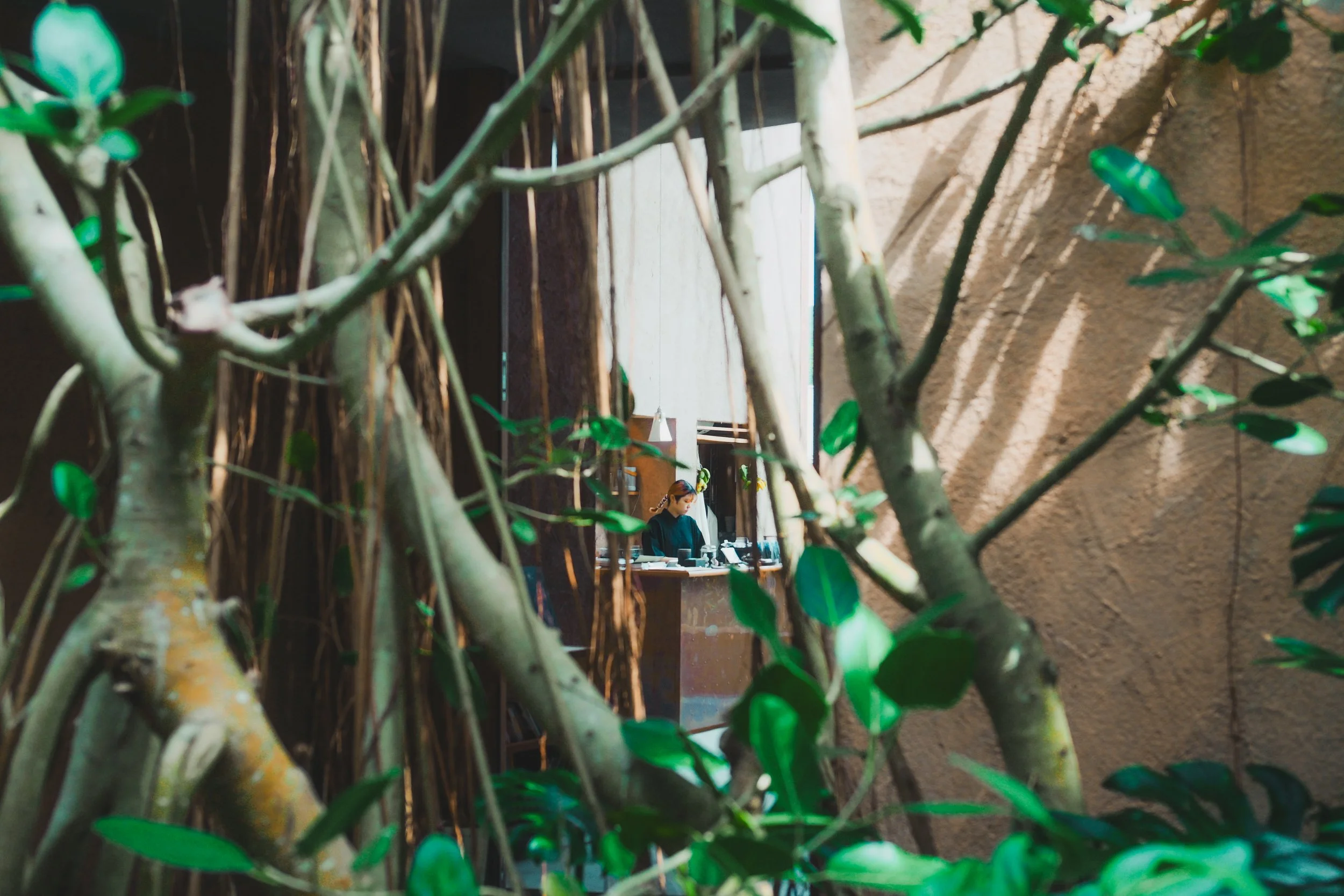
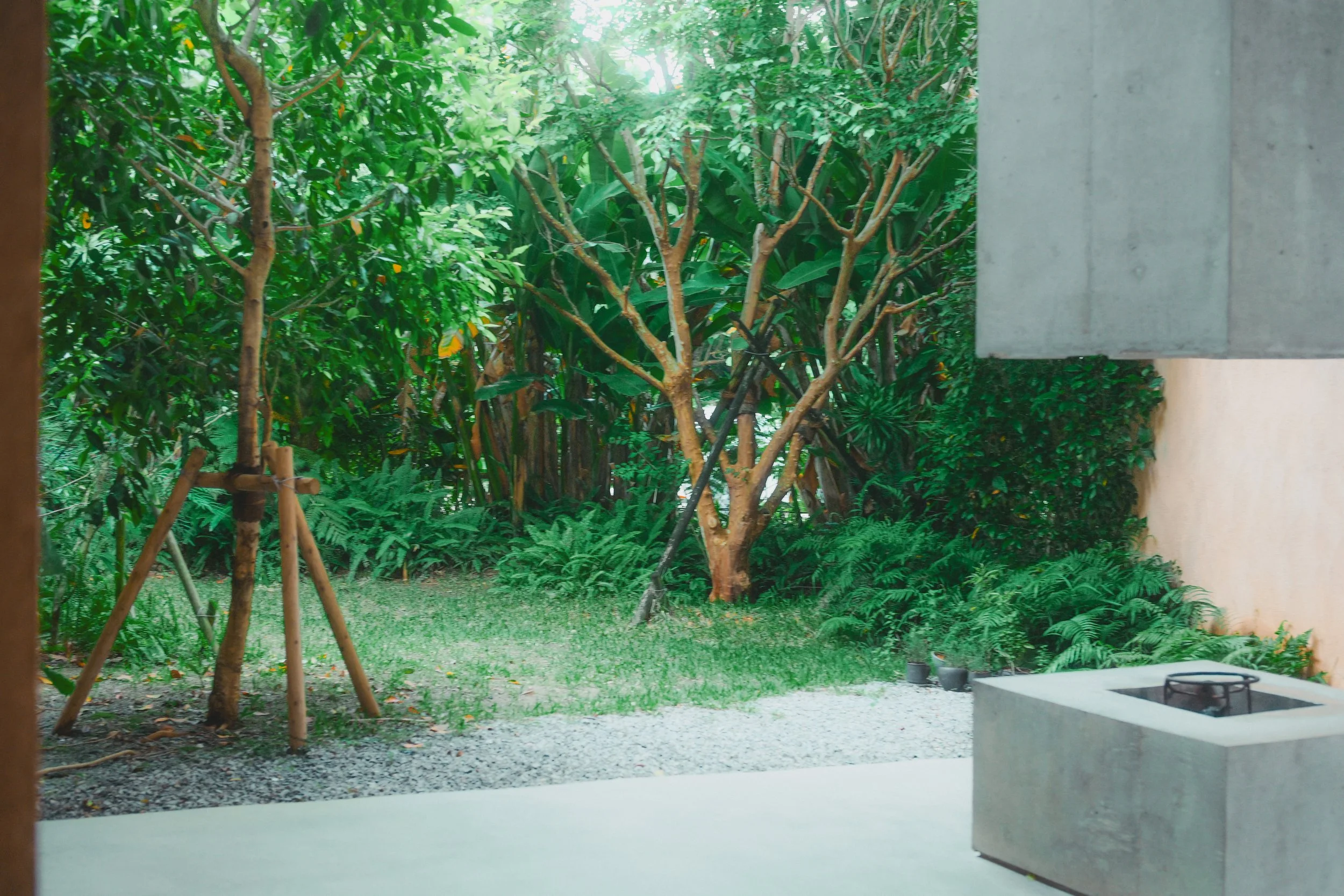
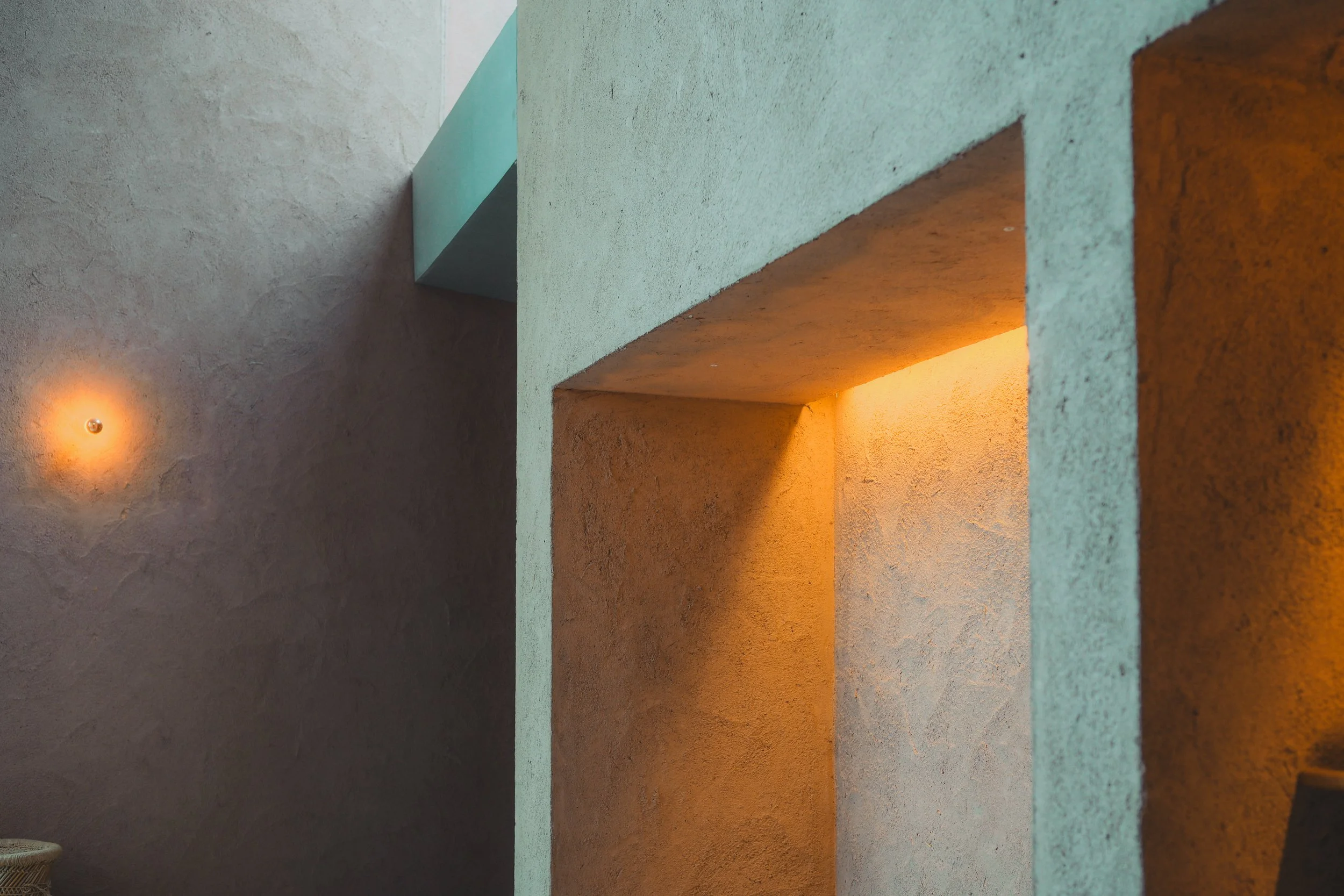
Our stay at Hotel Mui felt like a natural extension of that spirit, as if we were momentarily living as Okinawans. Mui is not merely an architectural feat; it is a lived expression of its owners’ care and sensibility. Founded by Yuta and Misae Nishii, a husband-and-wife duo who once lived the rhythm of salaried city life, Mui was born from a moment of change. Expecting their second child, they felt it might be their last chance to take a leap into an unpredictable future. So they decided to build something of their own – a place shaped not by ambition, but by life unfolding in its own time.
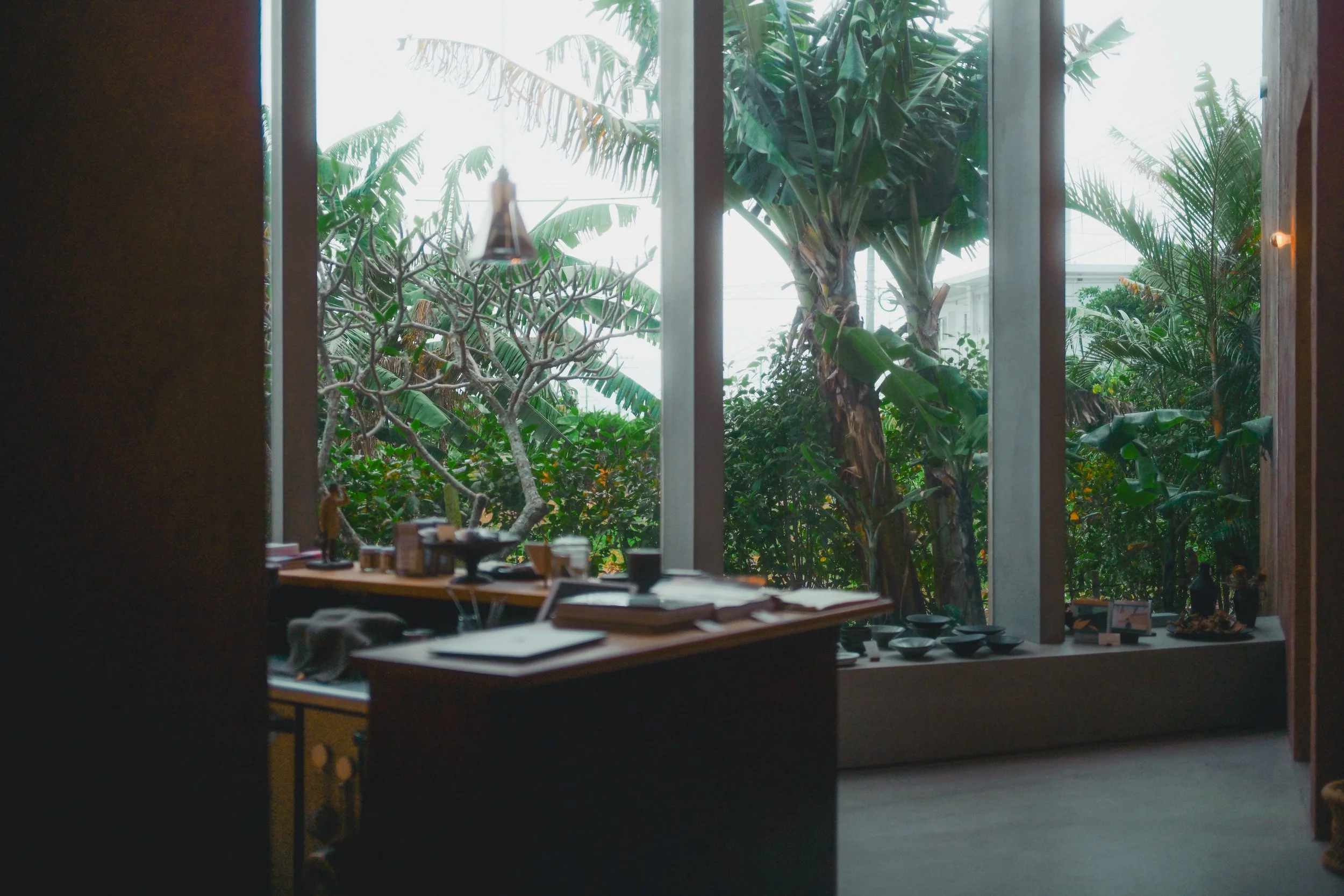
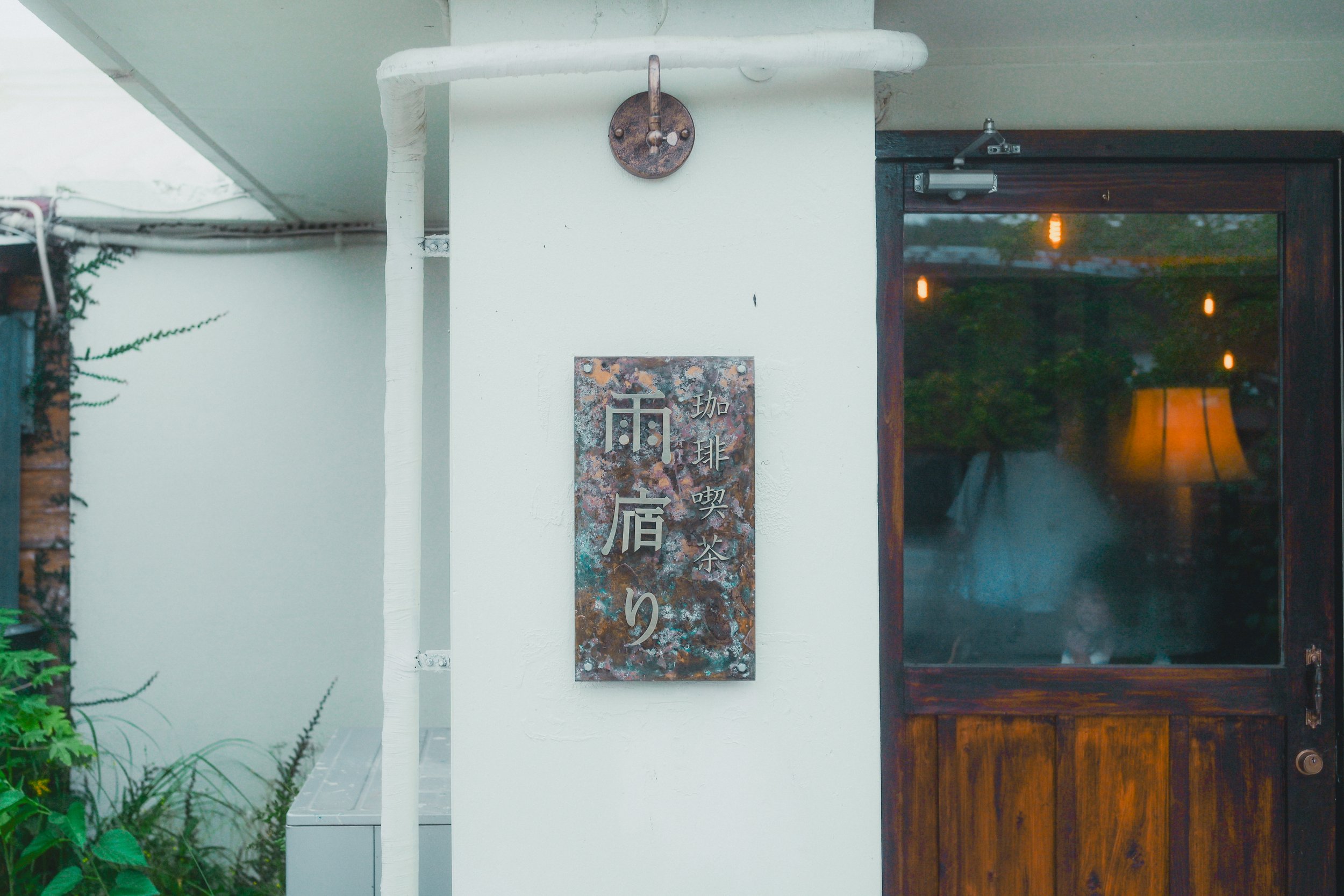
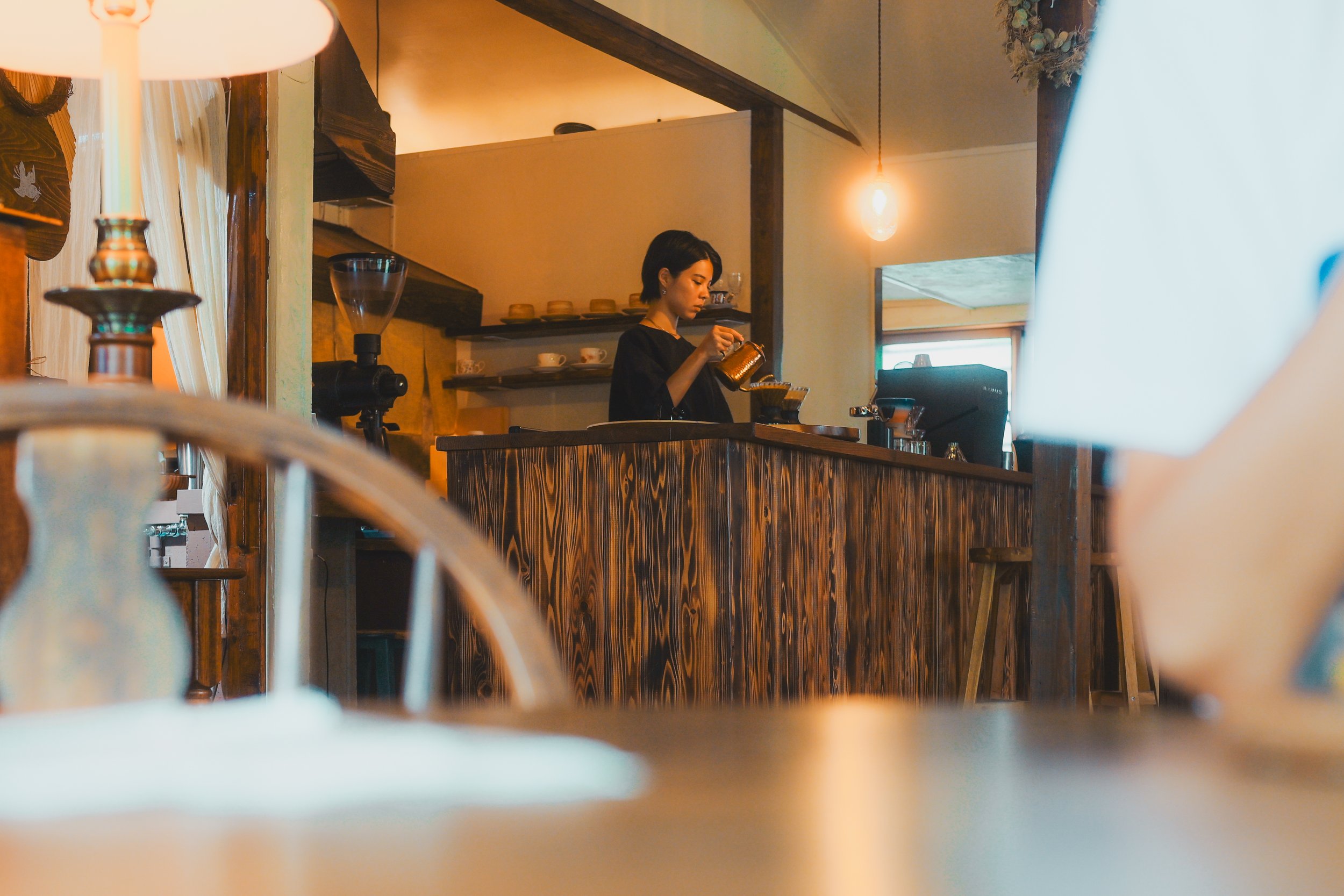
Mui draws from the richness of Okinawa’s nature and culture, allowing each visitor to find their own comfortable way of being. It does not prescribe an itinerary or a particular mood; instead, it reveals itself gradually, much like the landscape surrounding it. The owners also envisioned it as a space connected to the local community – not only a lodging for travellers, but a place where neighbours could gather. The café and shared areas welcome locals, softening the boundary between guest and neighbour, traveller and resident.
Throughout the accommodation are objects made by local craftspeople. Each piece carries a story – of Mui, of Okinawa, and of the hands that shaped it. Together, they blur the line between a hotel and a home. Staying here does not feel like checking in; it feels like being invited to live, briefly, within someone’s considered world. The second blue we had been searching for revealed itself in the thoughtful recommendations the hotel shared about Nanjo.
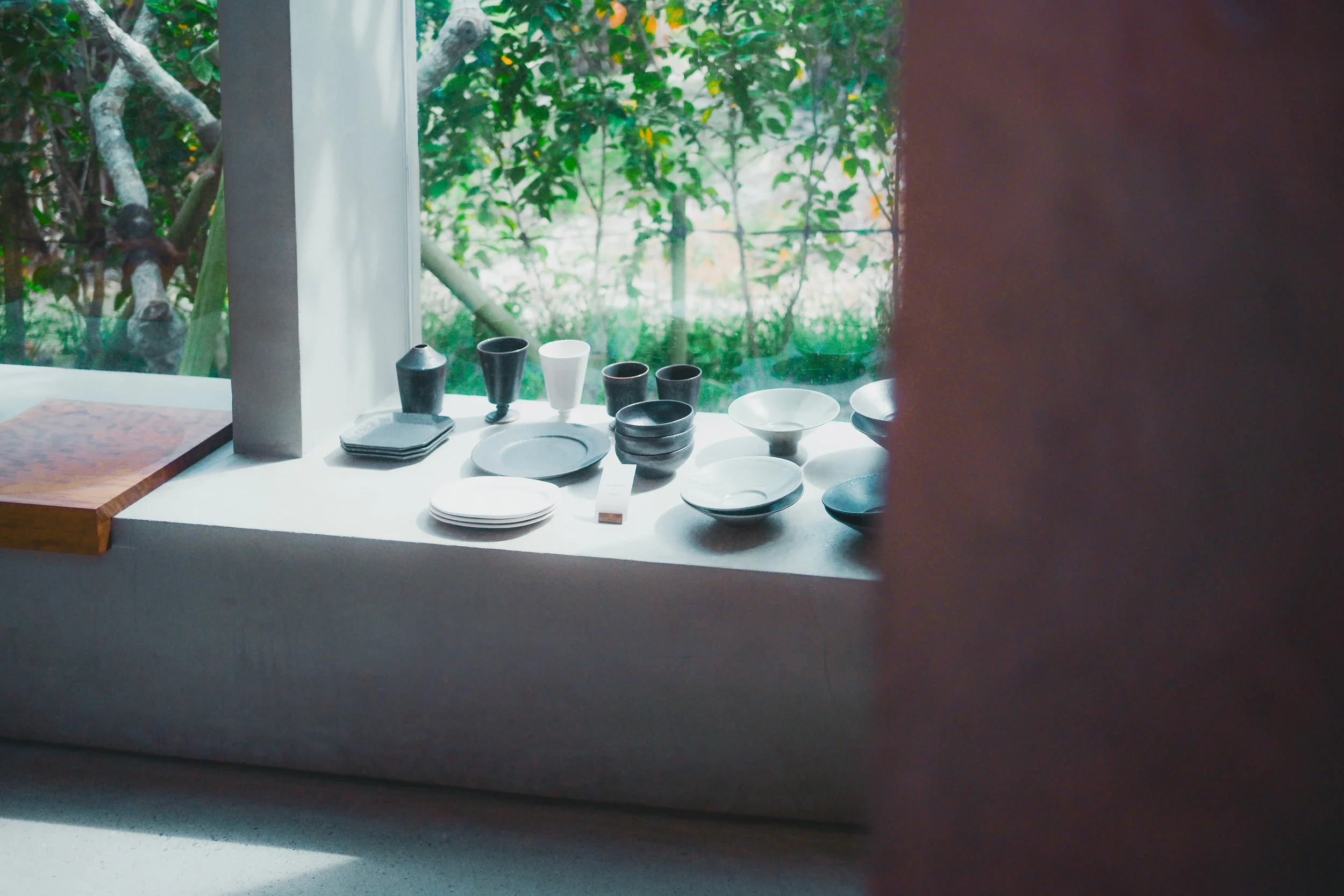
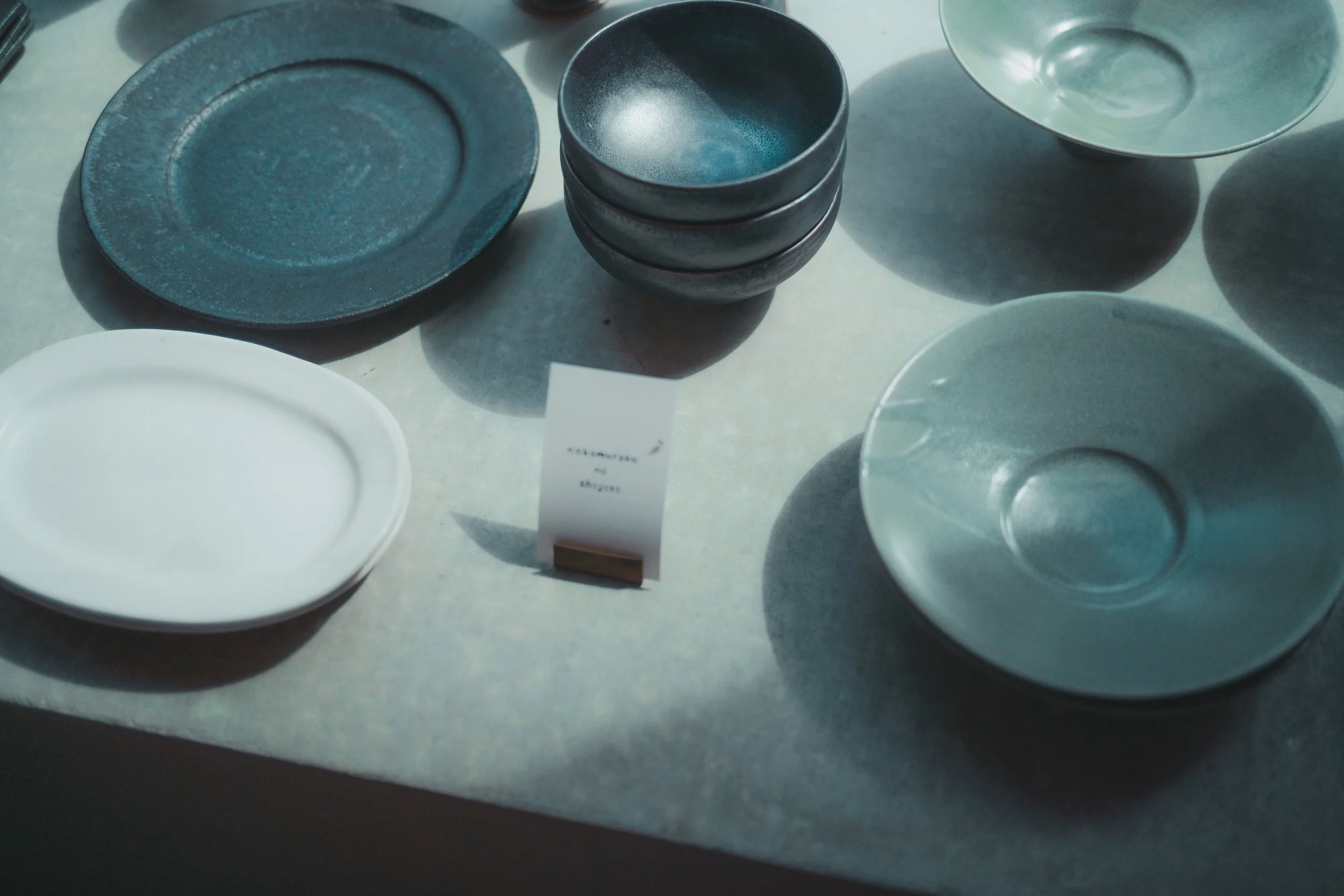
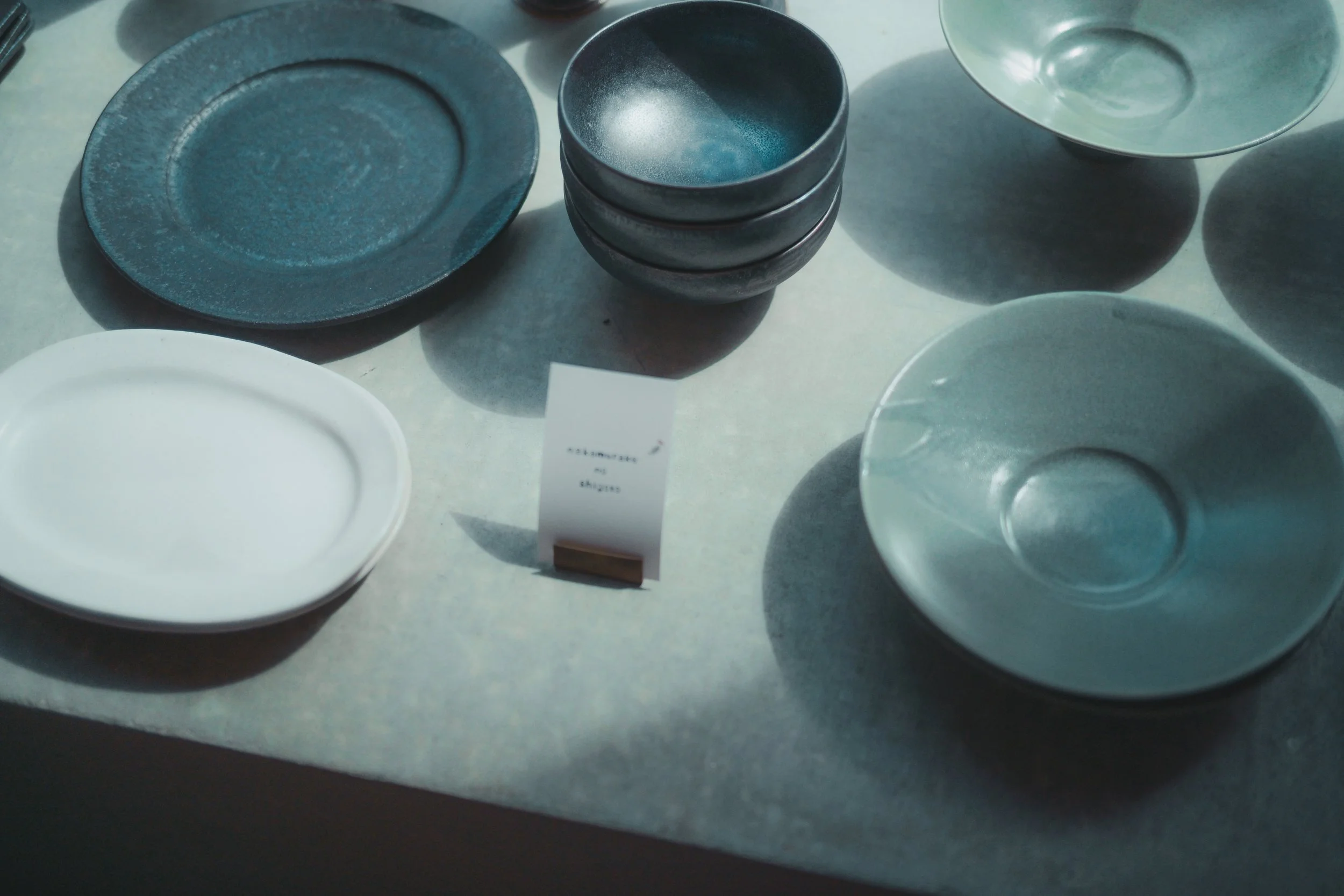
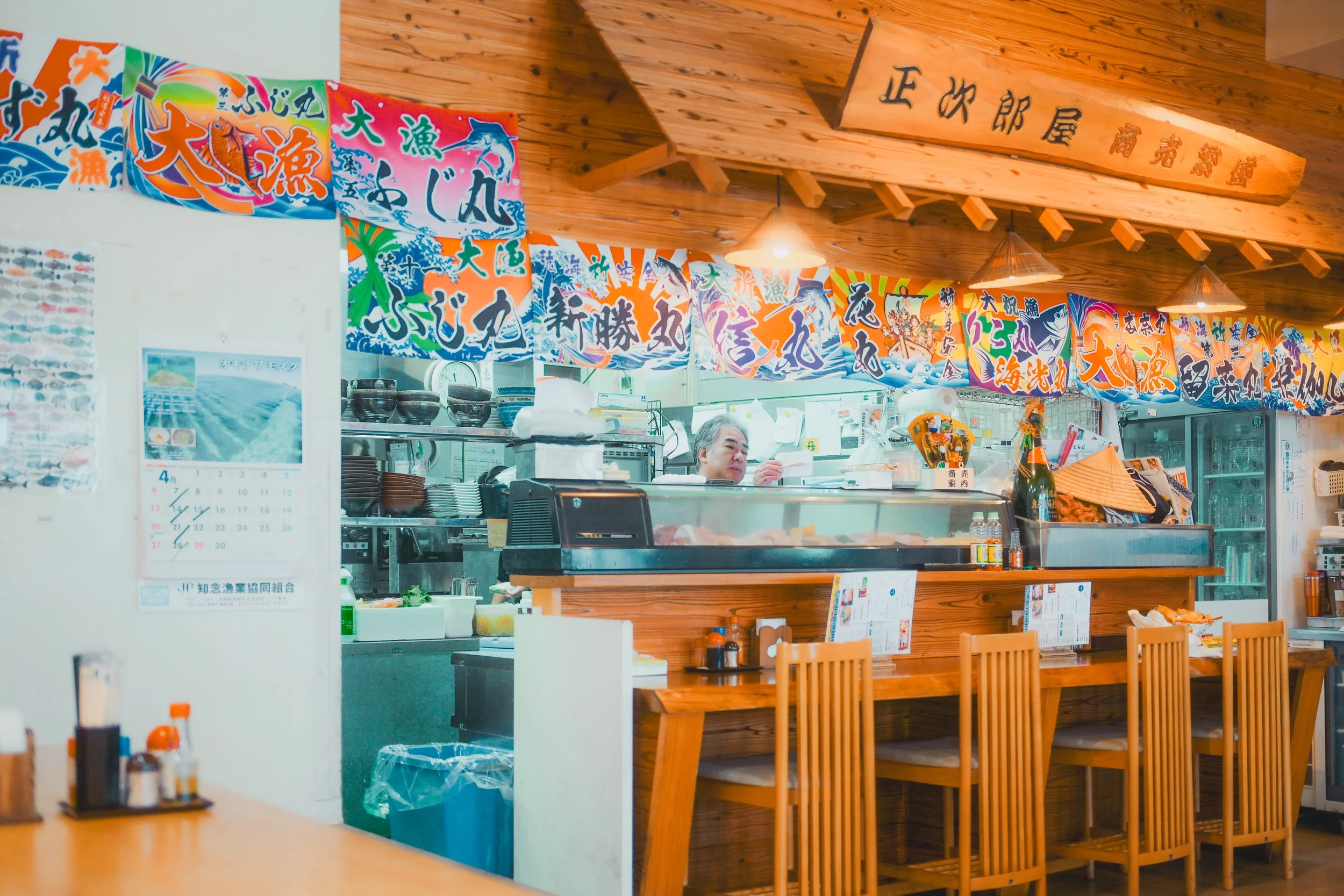
Following the list almost religiously led us to quiet beaches and to places the owners themselves frequent. What made that list special were the people we met – the makers and artists they collaborated with, the owners of small businesses who shared a similar way of living. Many lived lives where work and daily rhythms blended into one. The work they did became the way they lived. Yet life, in its own insistence, resists being defined only by work. It calls for a way of living that cannot be scheduled or produced – a life shaped by instinct rather than obligation, by what feels necessary rather than what must be achieved.
Watching how everyone lived and worked at their own pace, doing what they loved, one begins to forget the familiar idea that “there’s a time for everything.” The designated hours for commuting, working, eating, and sleeping – the invisible scaffolding of city life – seemed to dissolve here. Time did not command the day; it accompanied it. Hours felt unmeasured, stretching and contracting according to the rhythm of the people rather than the ticking of a clock.
In such a place, time is not something to be managed but something to be lived with. Days are not segmented into tasks but allowed to unfold, shaped by weather, mood, and instinct. This loosening of time, this refusal to be bound by schedules, creates a different relationship with living itself. When life is no longer measured by deadlines or efficiency, the body and mind settle into a slower, steadier rhythm – one that feels less consumed and more continuous.
Perhaps this is what extends life here: a way of being where time is not chased, but inhabited. A life that stretches not because it is long, but because it is lived fully within each moment. Perhaps this is why Okinawa is a blue zone.
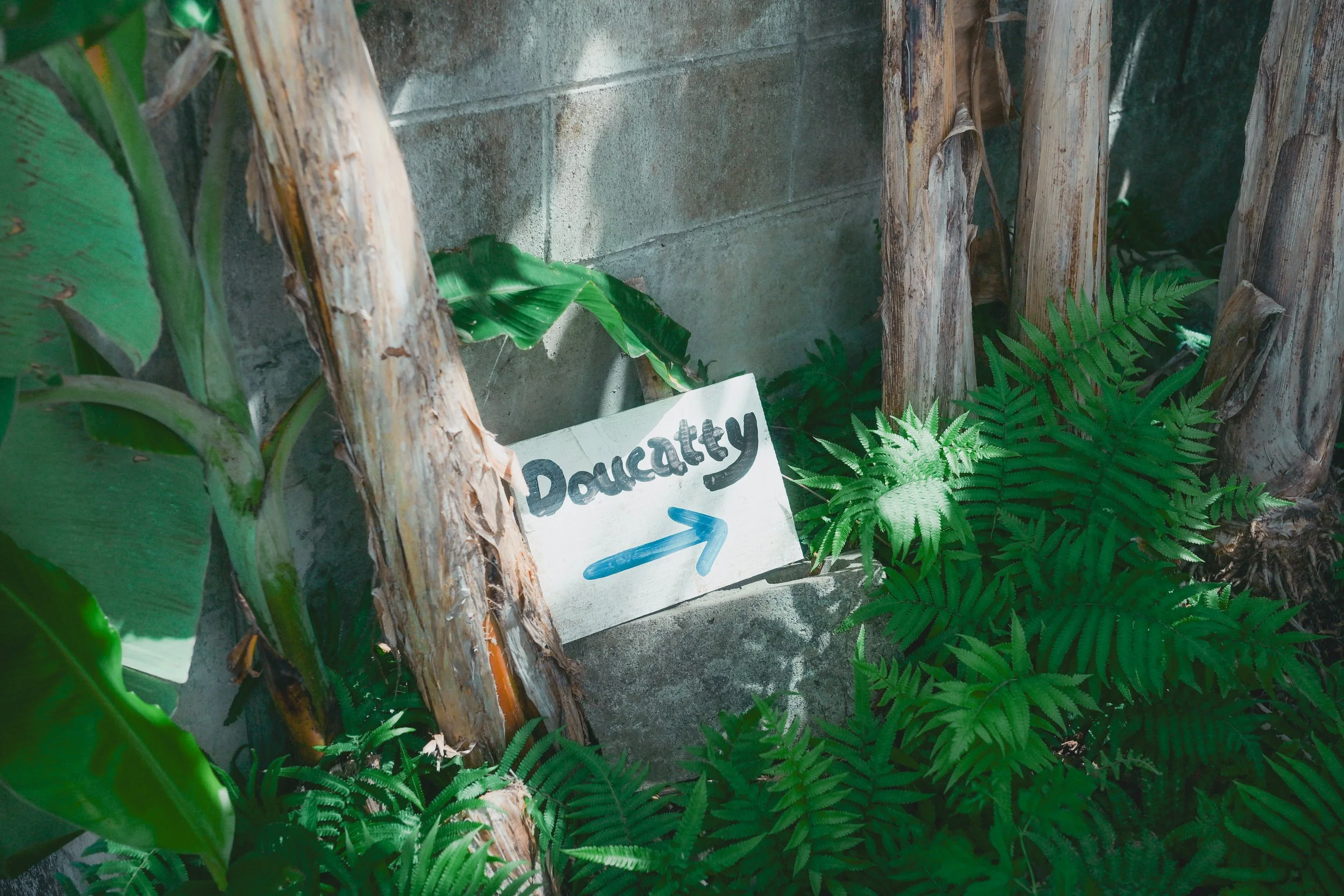
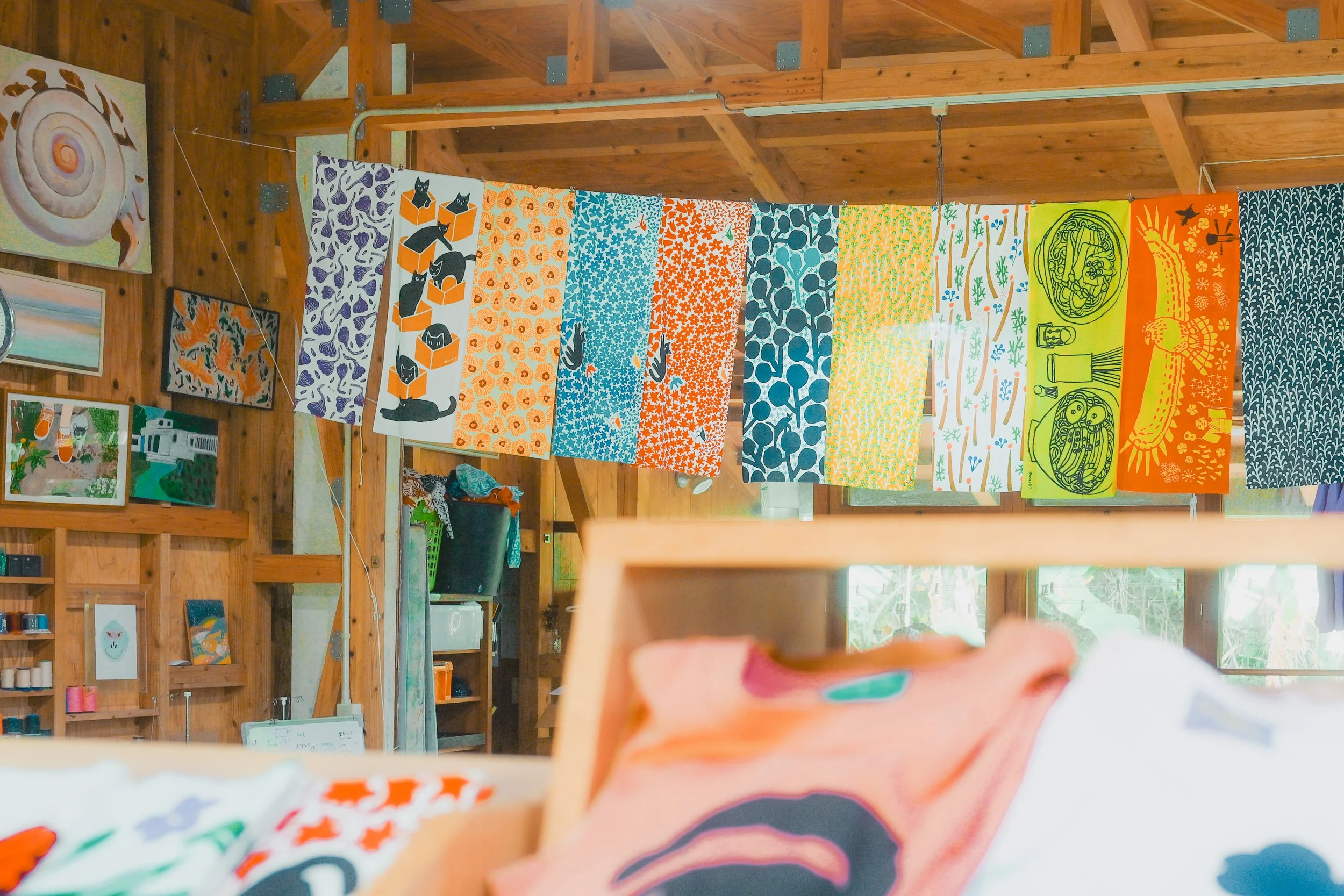
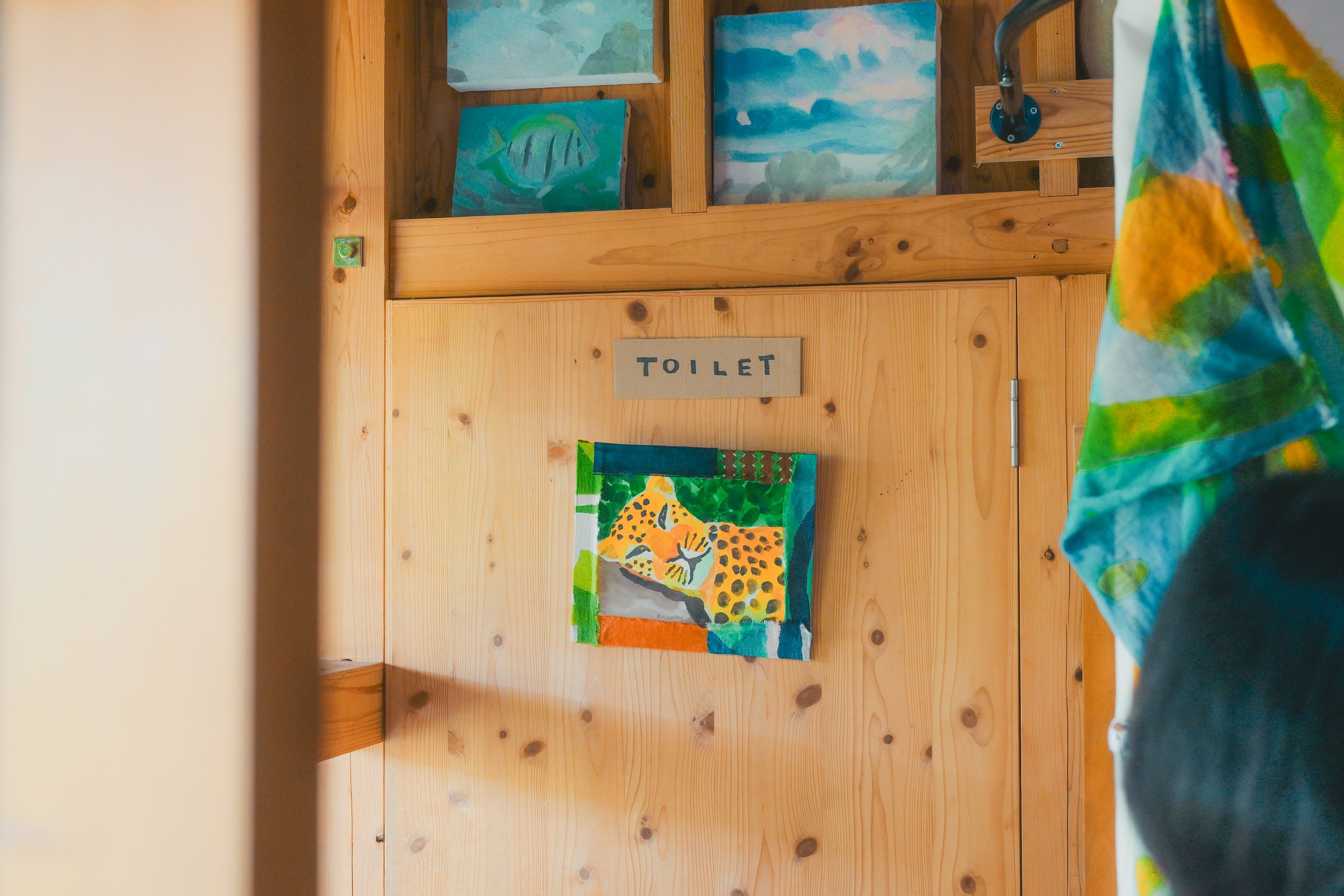
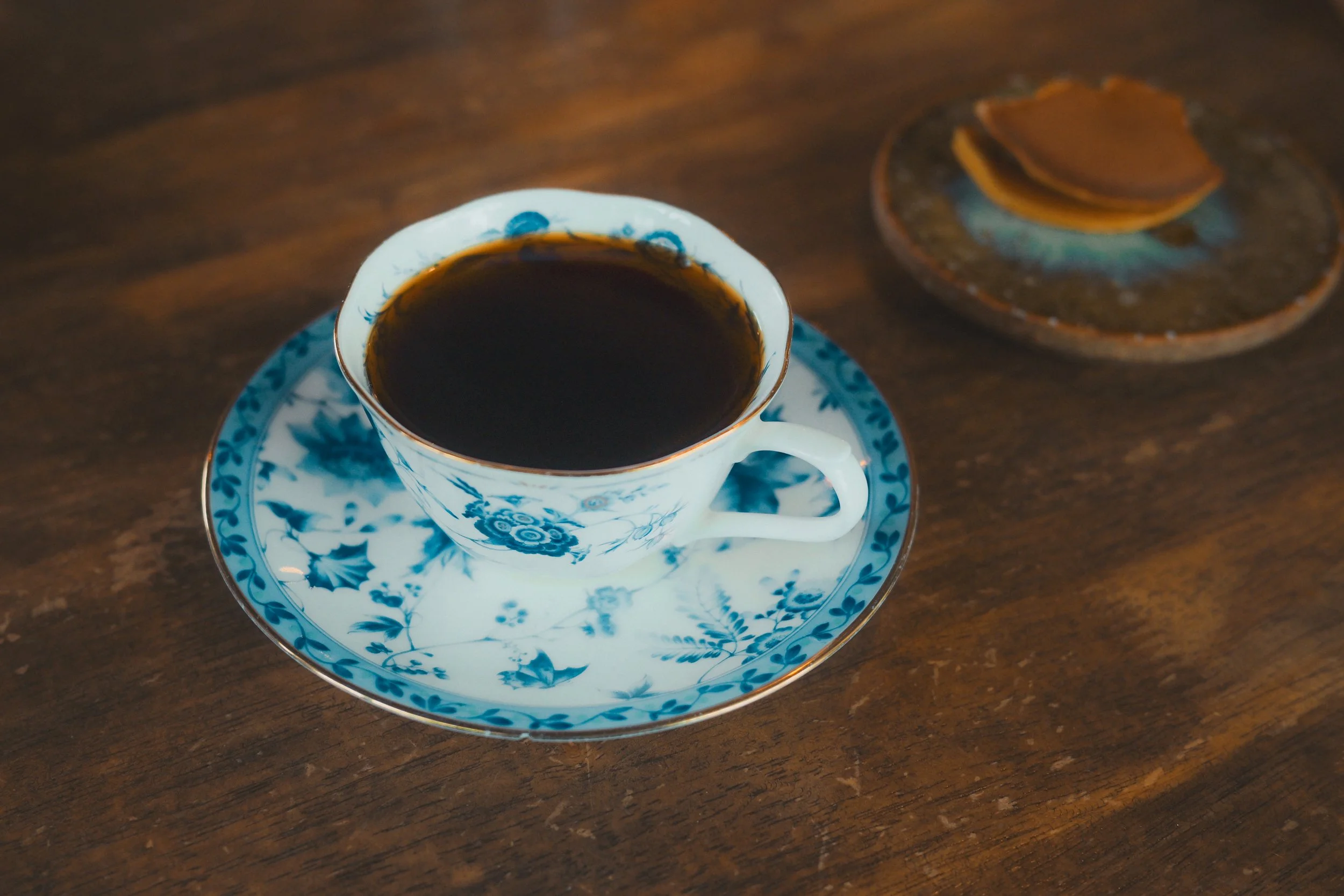
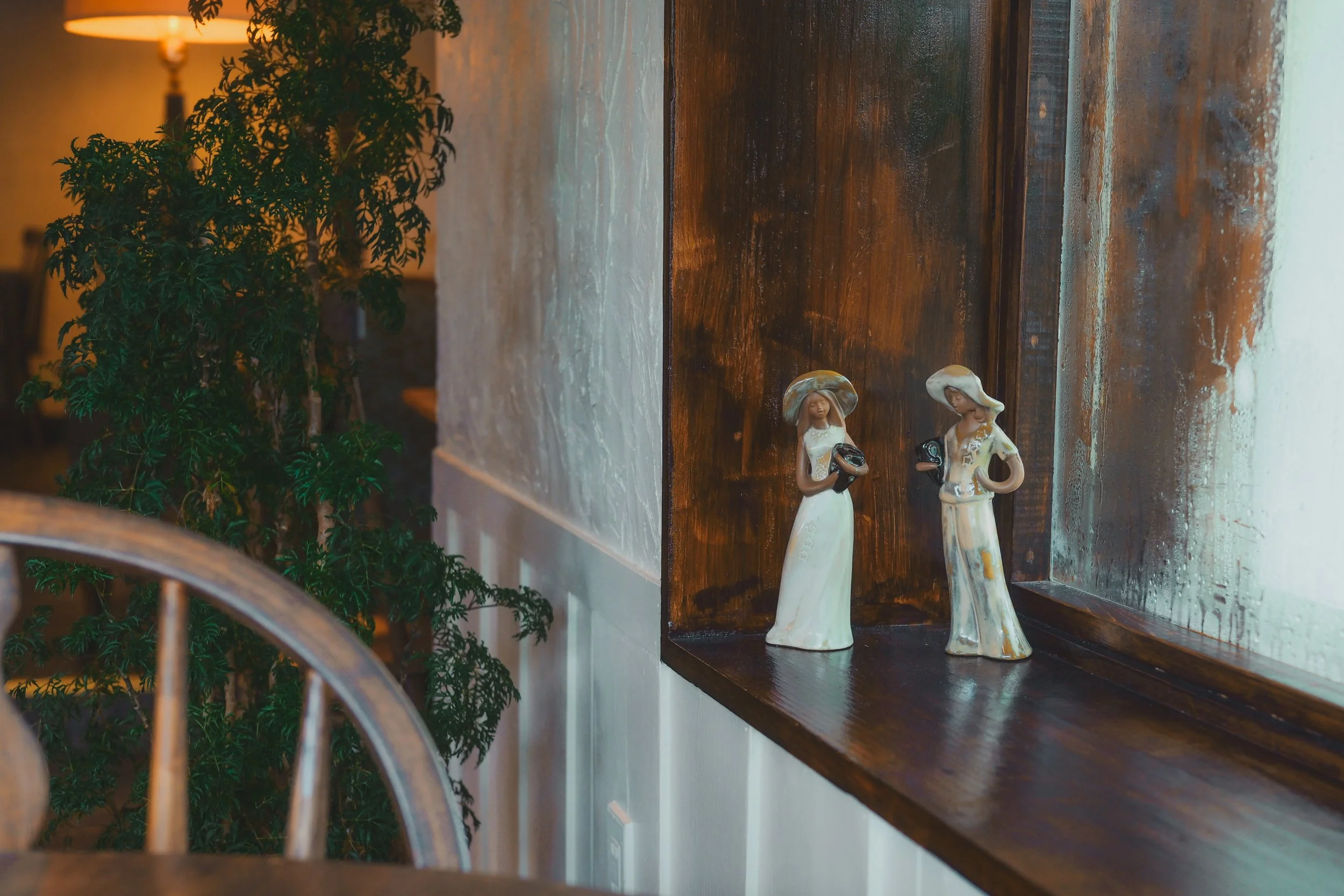
Looking back at Okinawa, it becomes clear that the collage of histories and influences shaping the island was never meant to blend into a single picture. Each layer remains distinct, yet none insists on dominance. Their coexistence, unforced and unpolished, creates a way of living that accepts ambiguity as a natural part of life rather than something to be solved.
Perhaps this absence of sharp boundaries, whether cultural, temporal, or personal, is what allows such a rhythm of living to emerge. Nothing needs to be reconciled or perfected; things are simply allowed to be. In that allowing, life finds a gentler form. It becomes a life of least resistance, shaped by coexistence rather than control.
Text and images by ANATOMY OF THINGS