
The Room Before Beauty
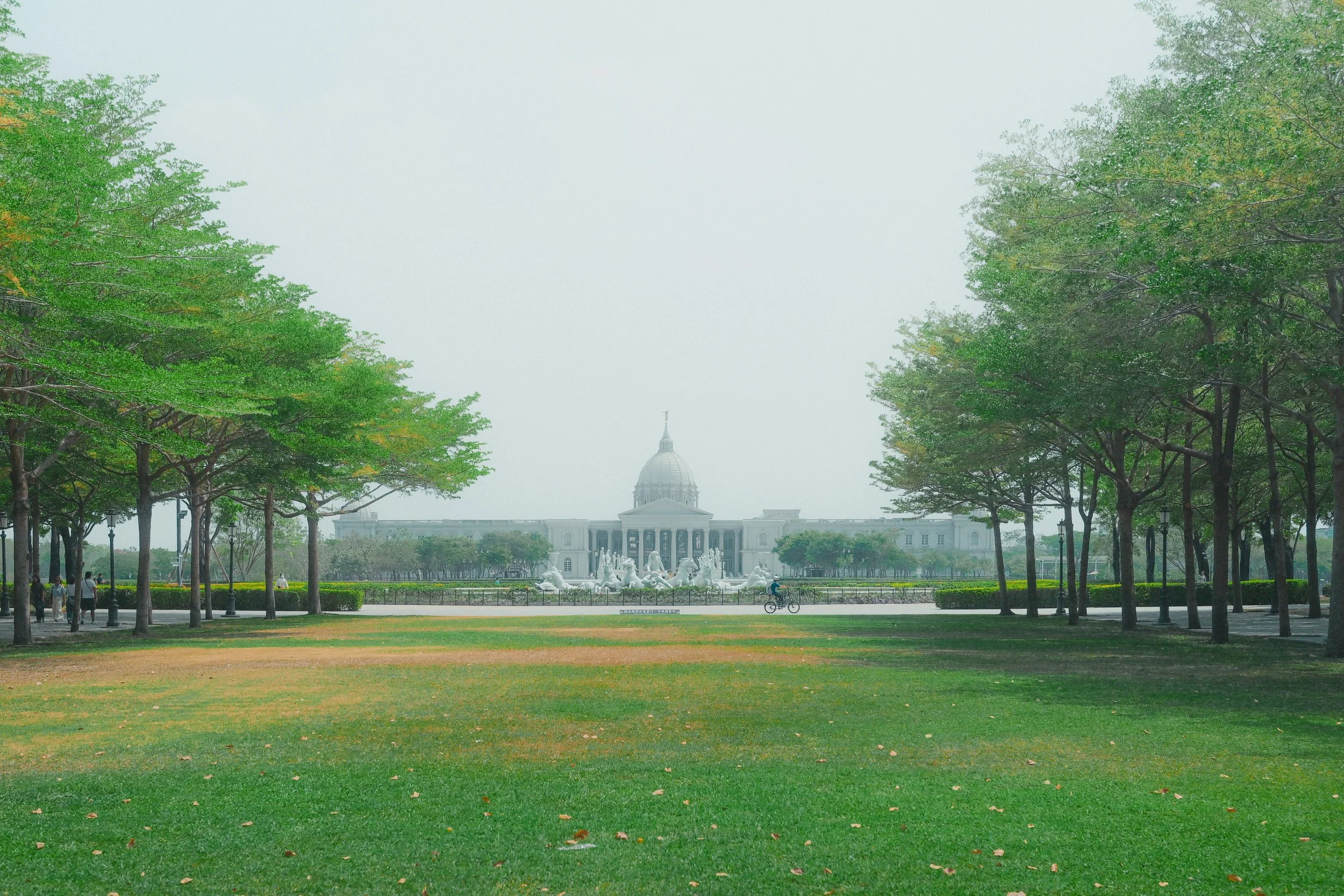
On our way into the city of Tainan from the airport, it appeared briefly, through the window of a moving car: a white neoclassical façade sitting incongruously along the highway. Someone said something. We all turned, but it was already behind us. It was the kind of sight that lingers, the kind you feel compelled to look up. A little research led us to the Chimei Museum.
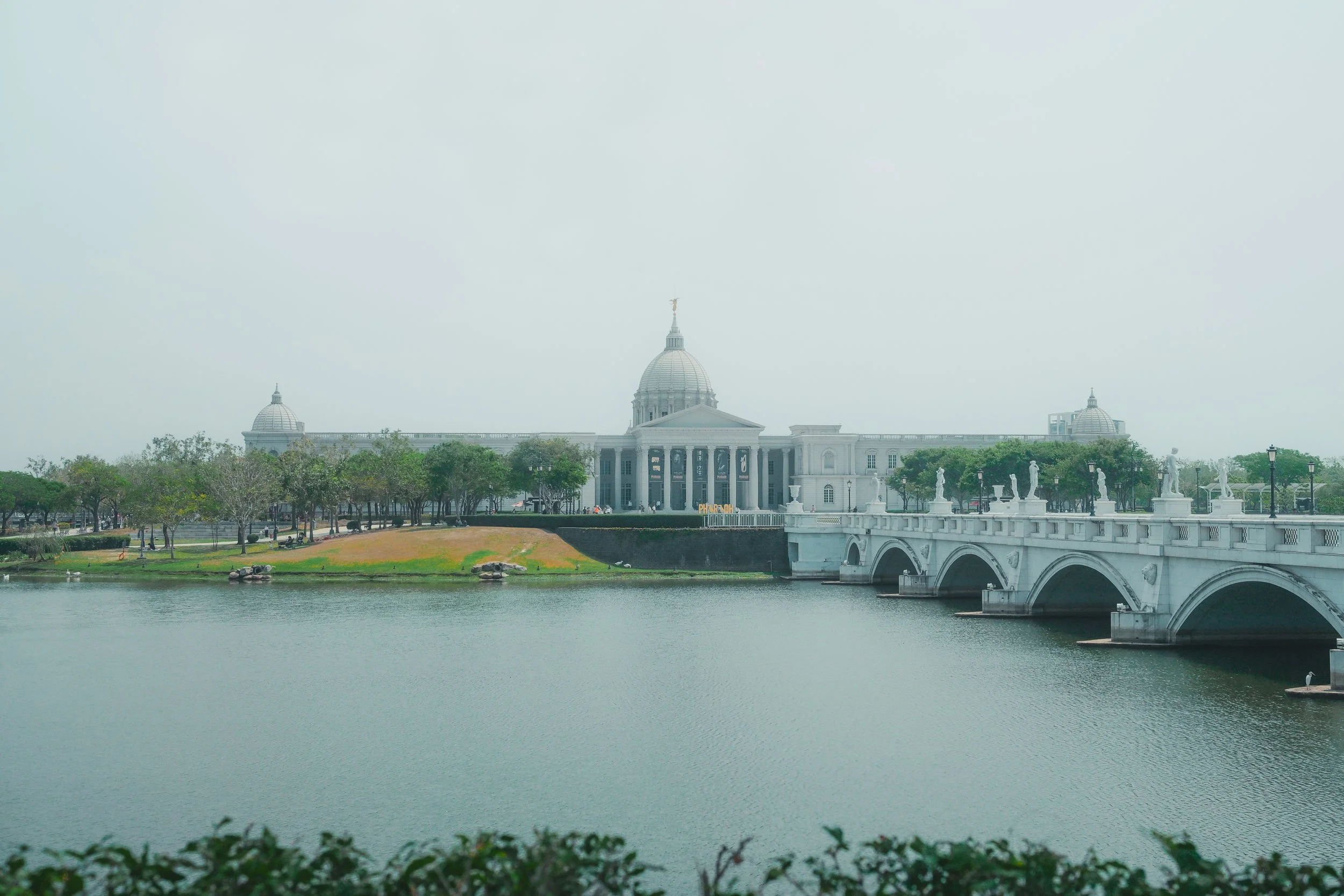
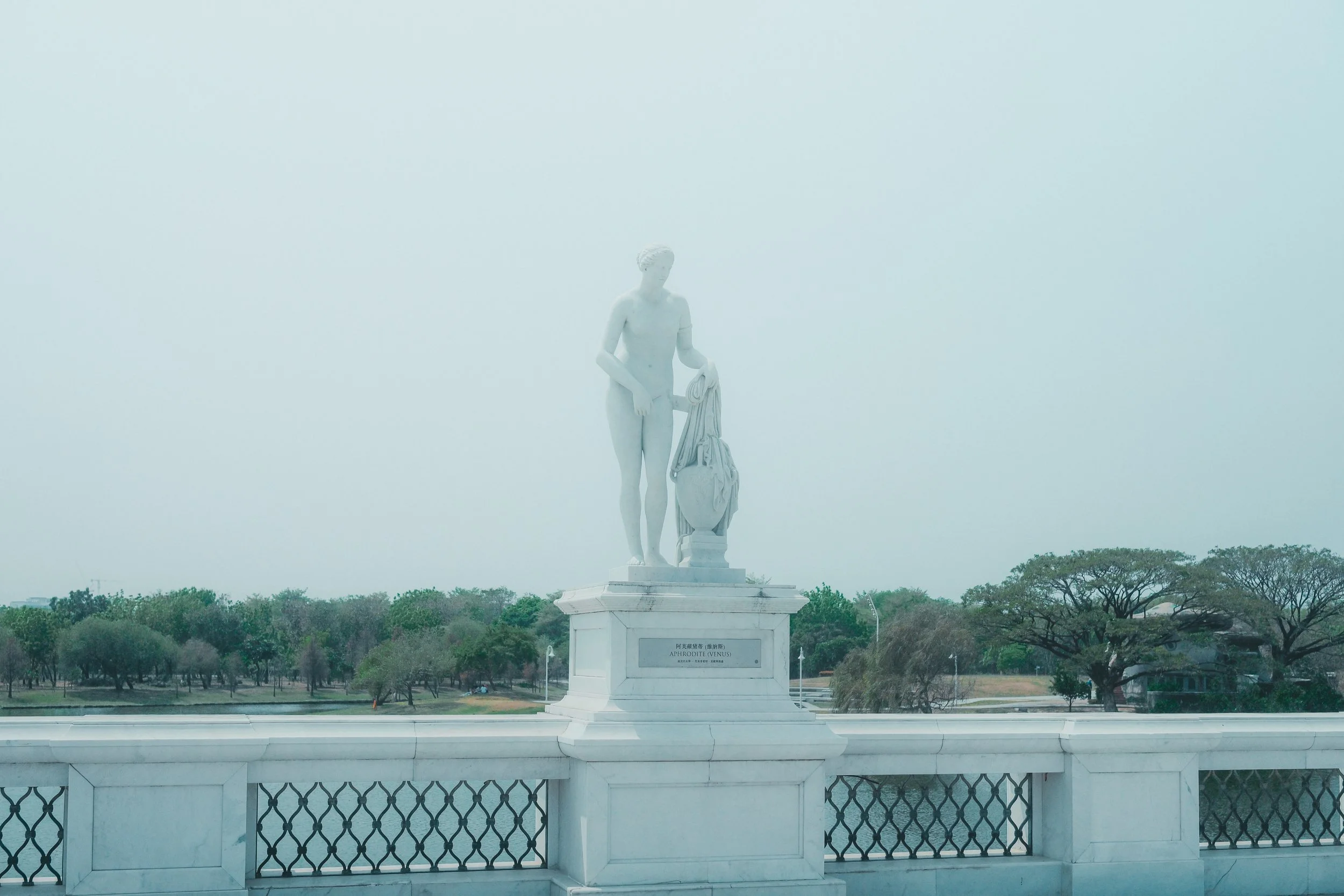
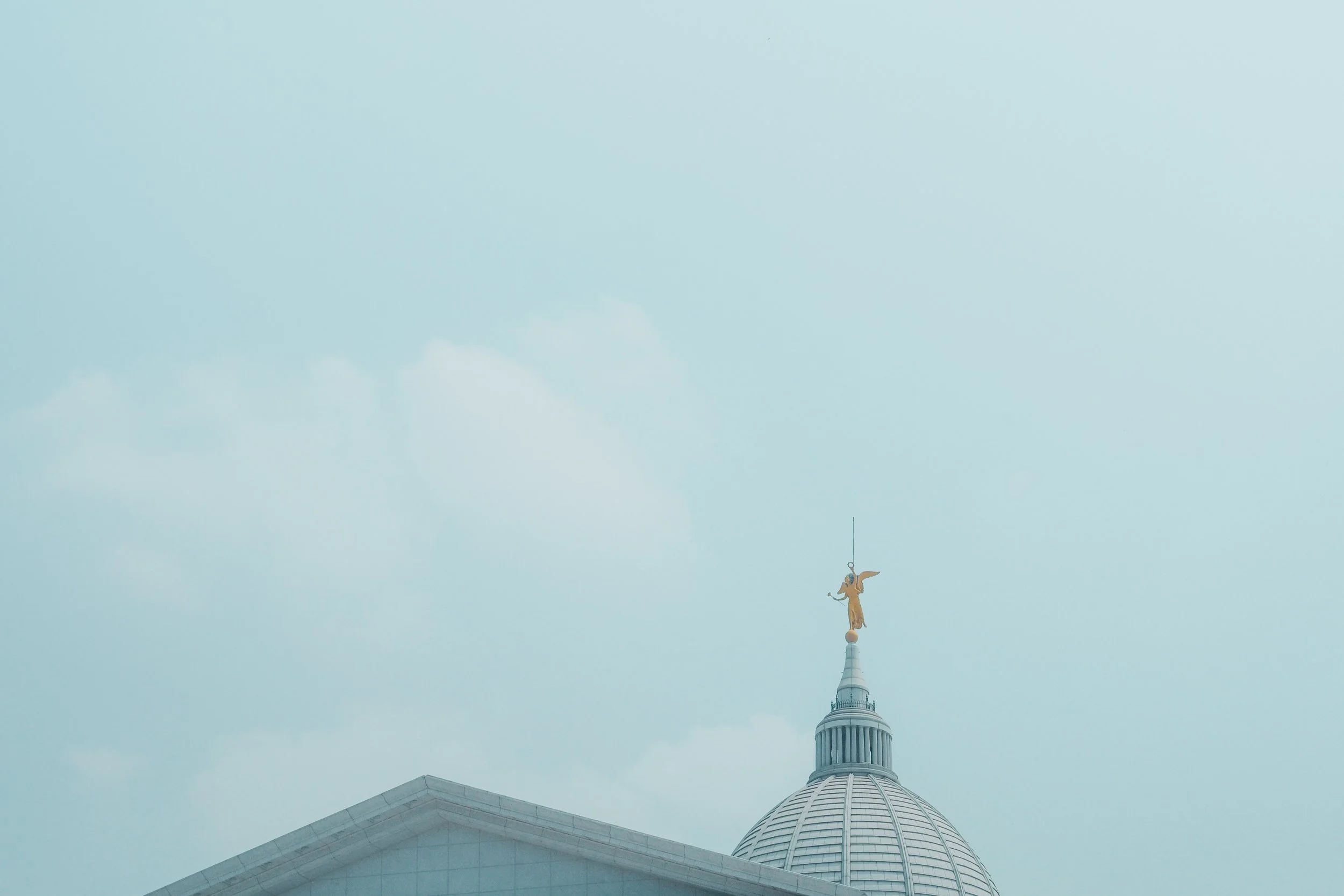
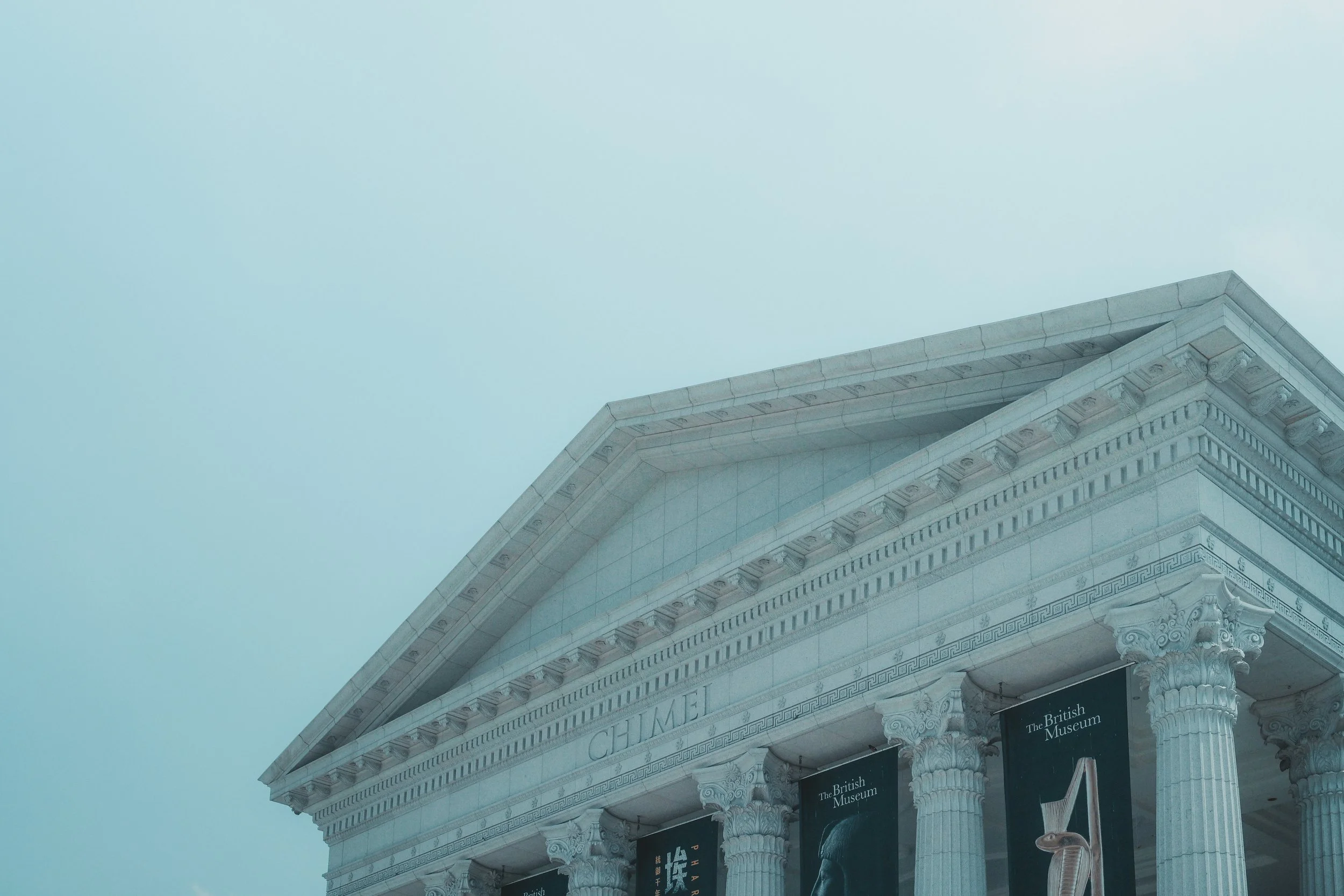
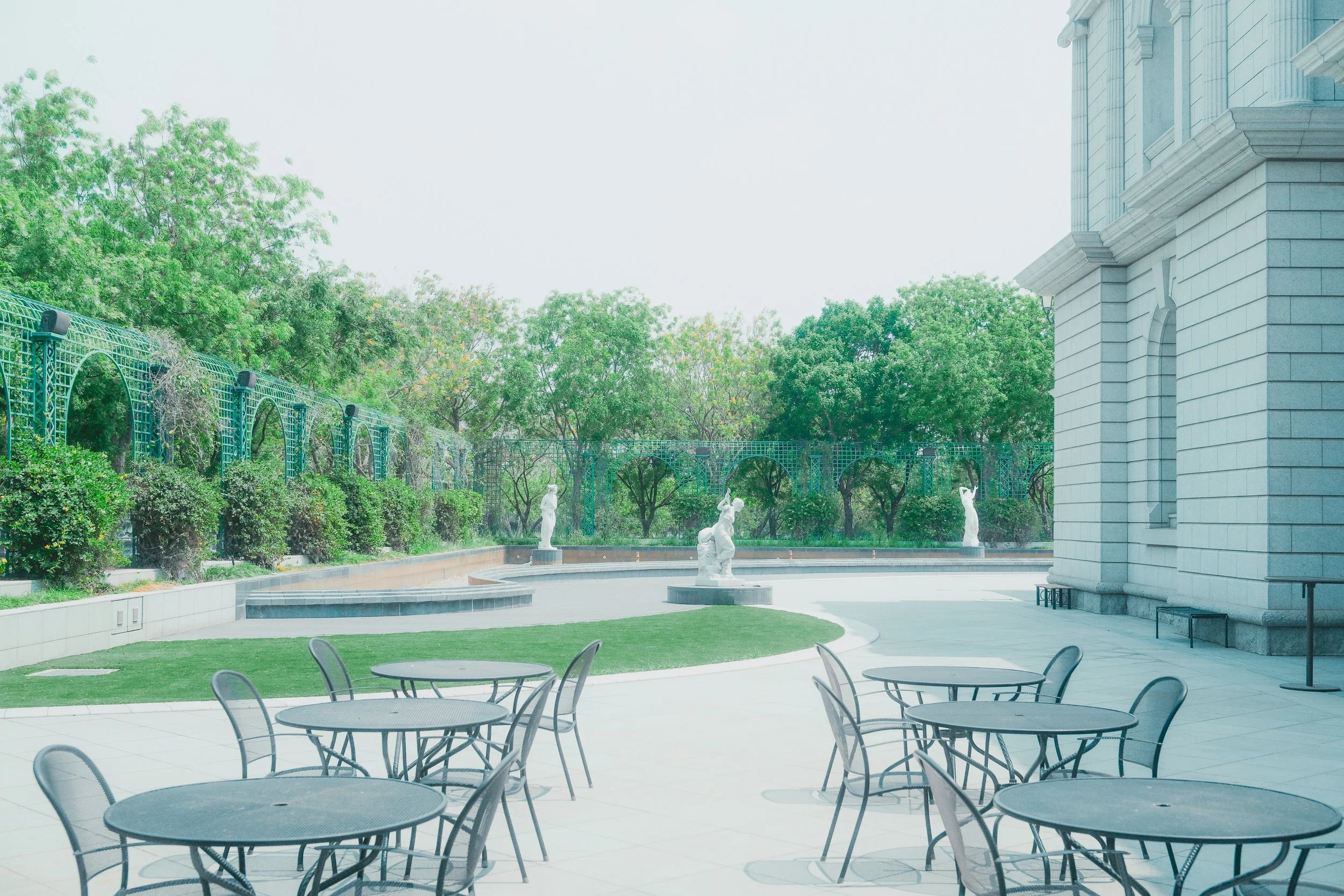
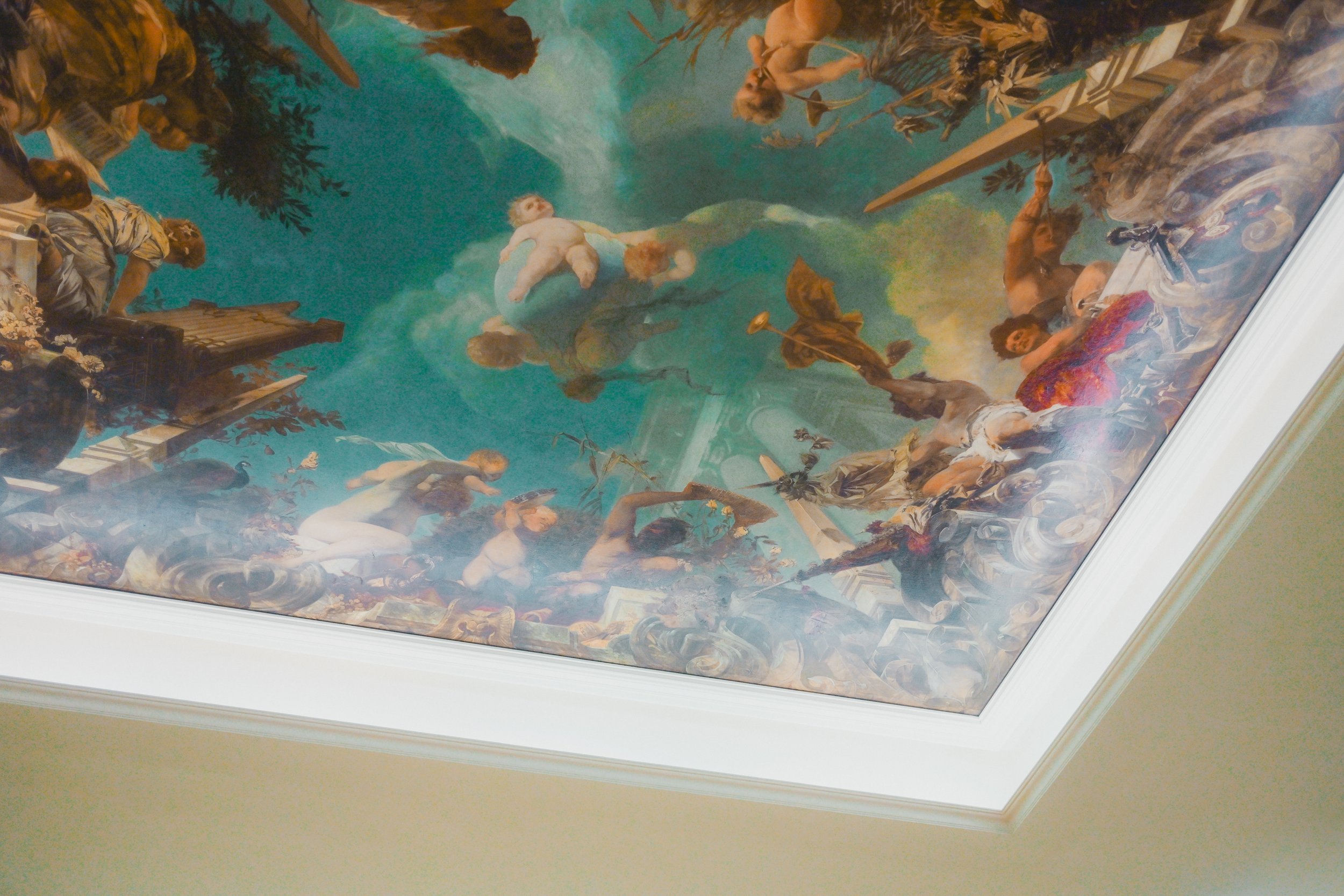
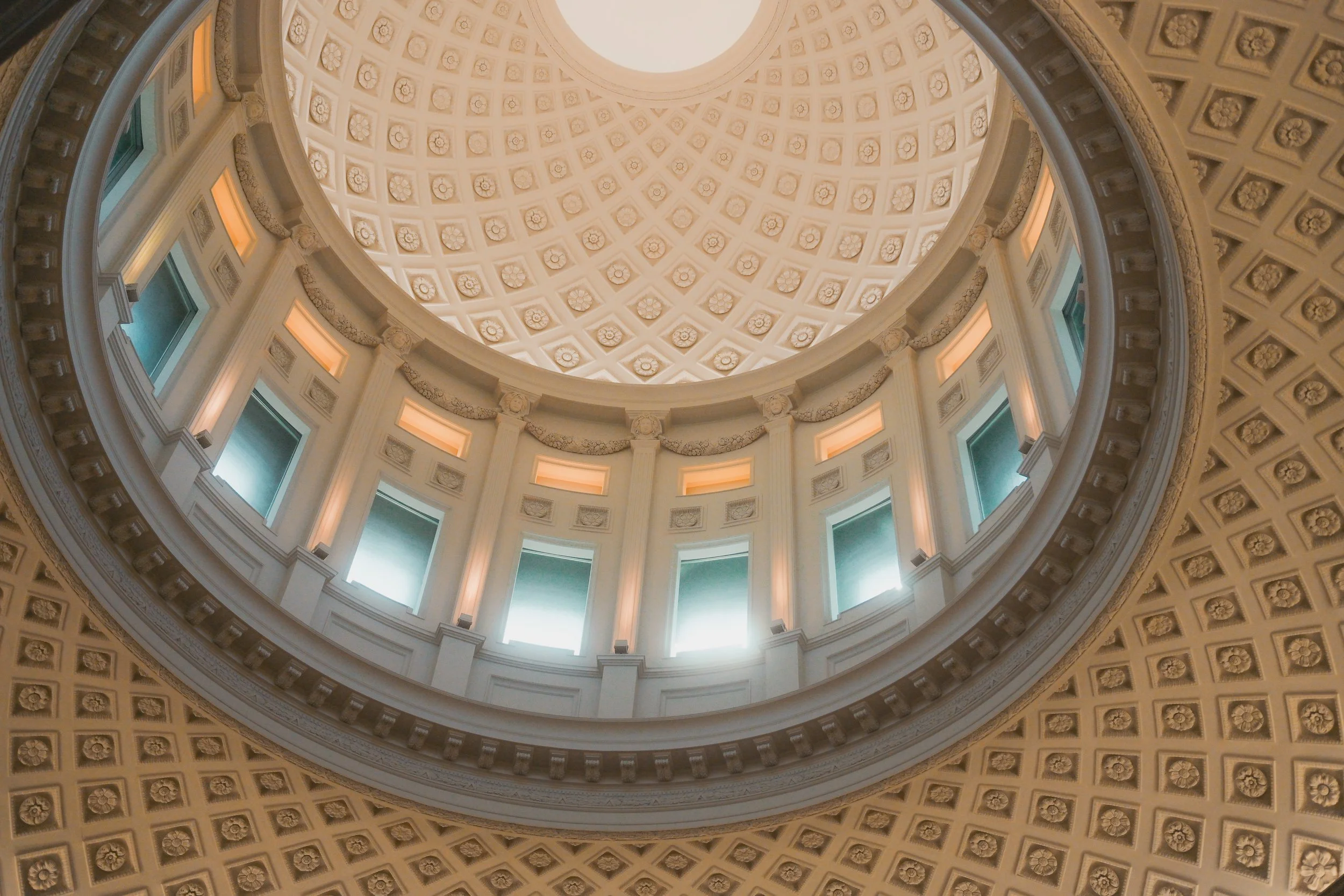
Tucked within the metropolitan park of Tainan, the Chimei Museum rises like a misplaced dream. Its white neoclassical façade, Apollo fountain, and colonnade of Greek gods are more reminiscent of Versailles than southern Taiwan. Behind it stands a single man. Shi Wen-long was born into a poor family in 1928, and as a child, he would wander the halls of a small local museum, free and open to all. He promised himself that if he were ever to become successful, he would build something like it, a place where art belonged to everyone. He did, and in doing so, turned a childhood wish into one of Asia's most unexpected public gifts. But generosity, however sincere, is never without its assumptions.
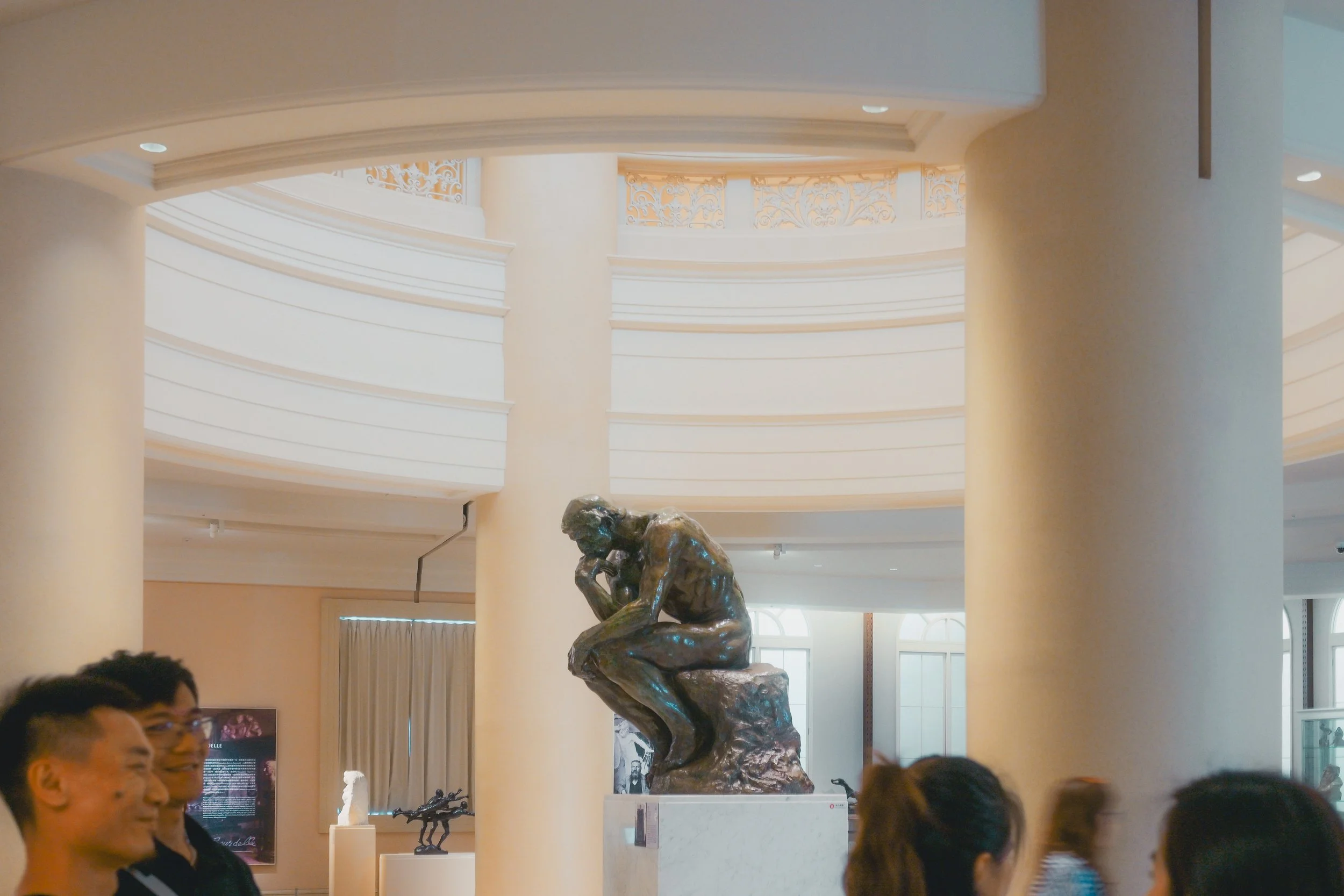
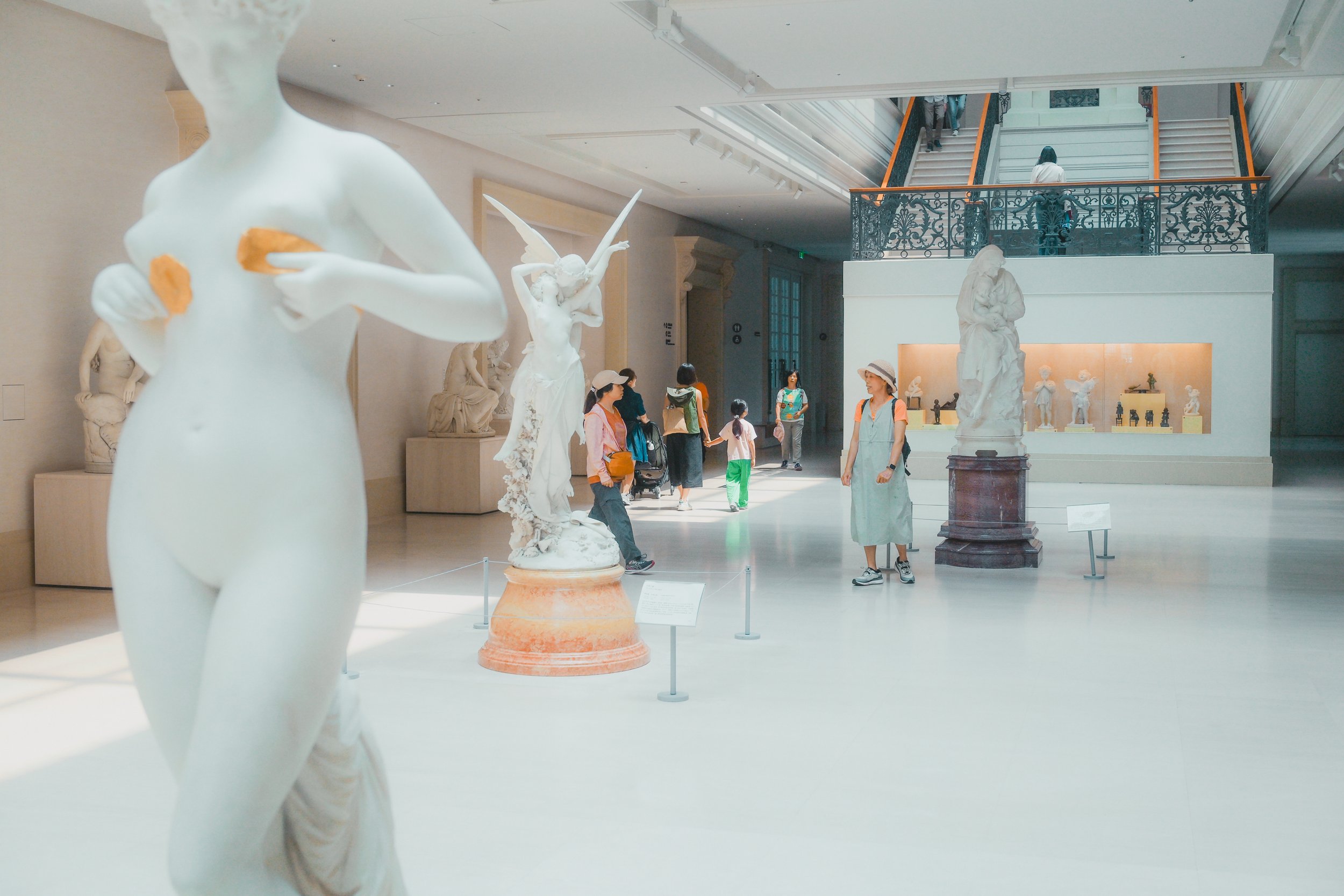
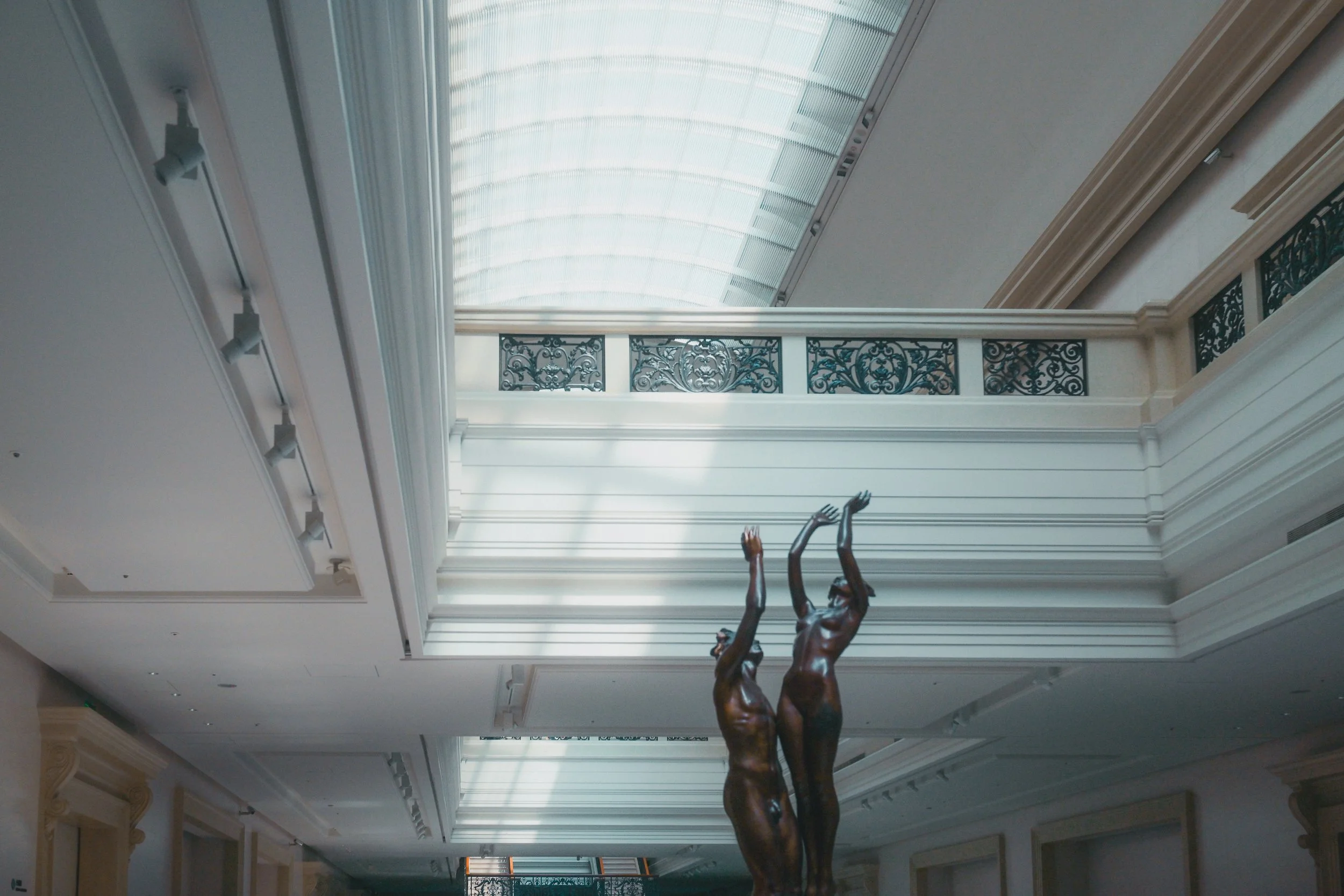
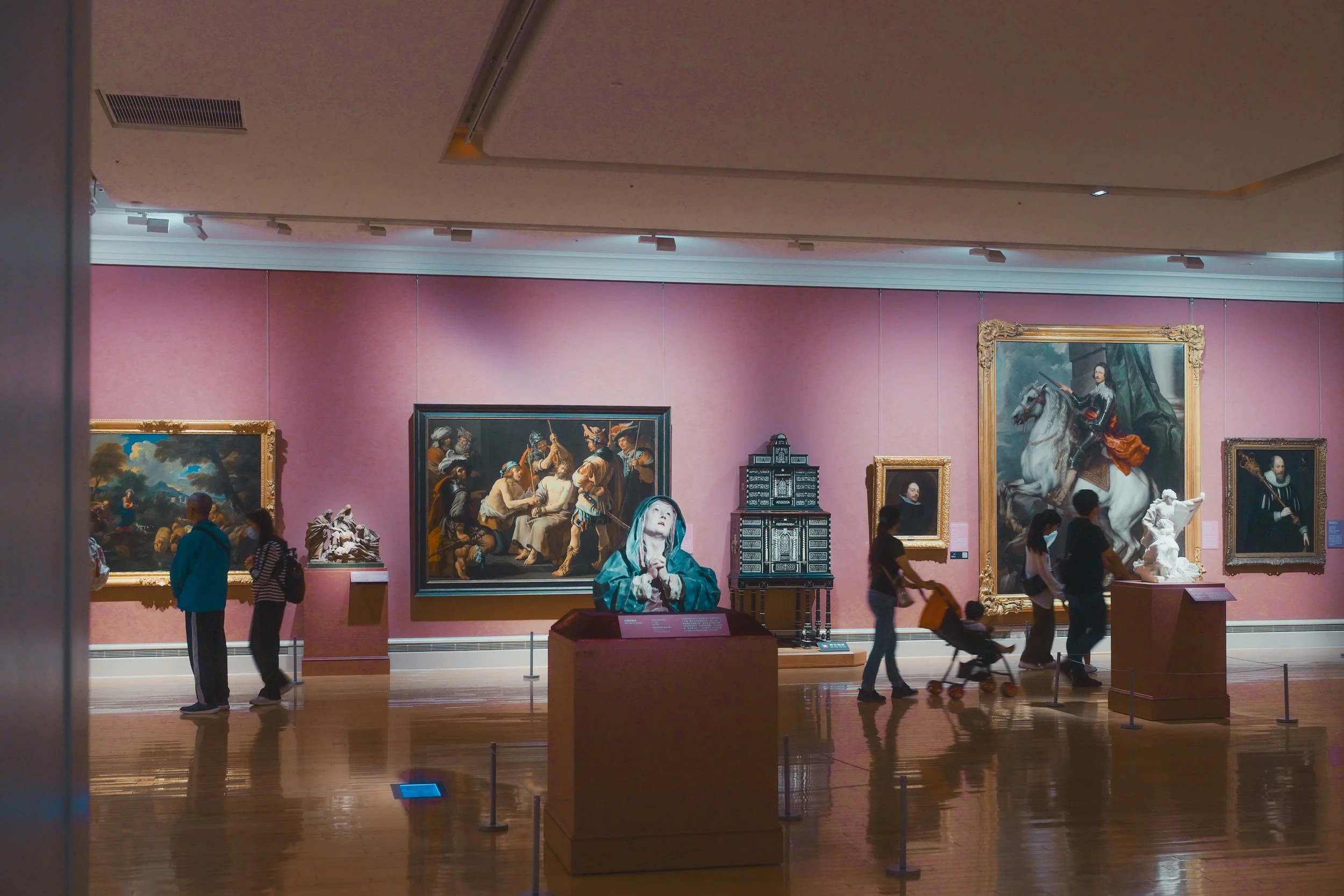
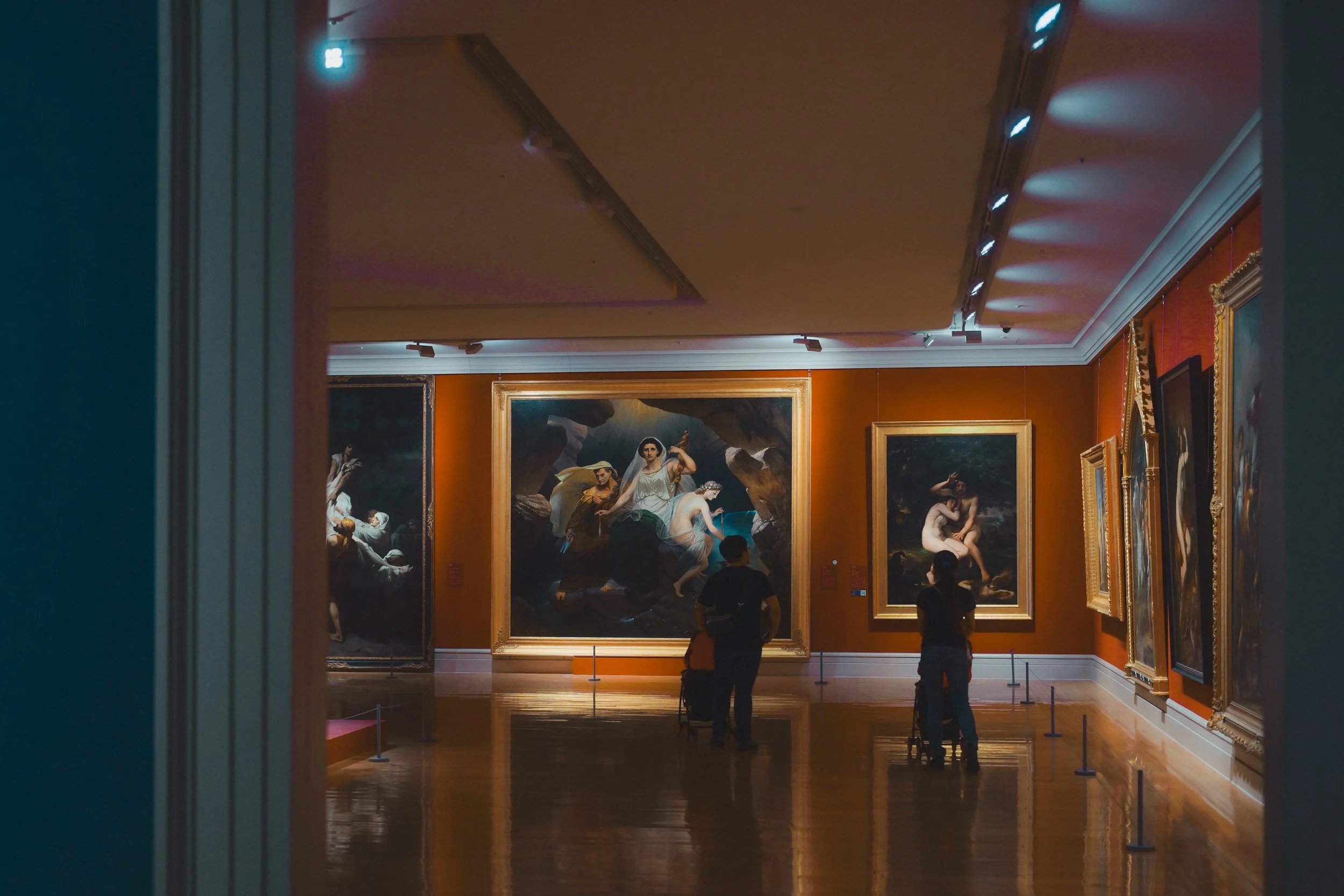
Shi Wen-long's instinct was generous, to wrest art from the hands of the privileged few and return it to the many. But the question lingers: whose many? Taste is never truly neutral. It is shaped by class, by education, by the particular cultural air one breathes growing up. What feels universal often turns out to be someone's specific vision of the world, so thoroughly accepted that it no longer announces itself as such. A museum built for everyone risks, in this way, being built for a particular idea of everyone. And yet this is not a reason to dismiss what Shi created. It is perhaps the most honest thing we can say about any institution that dares to speak in the name of the public: that it reaches for something it cannot fully hold. He wanted art to be universal. Art, by its nature, resists universality. The tension between those two facts is not a flaw in his dream. It is the dream's most human quality.
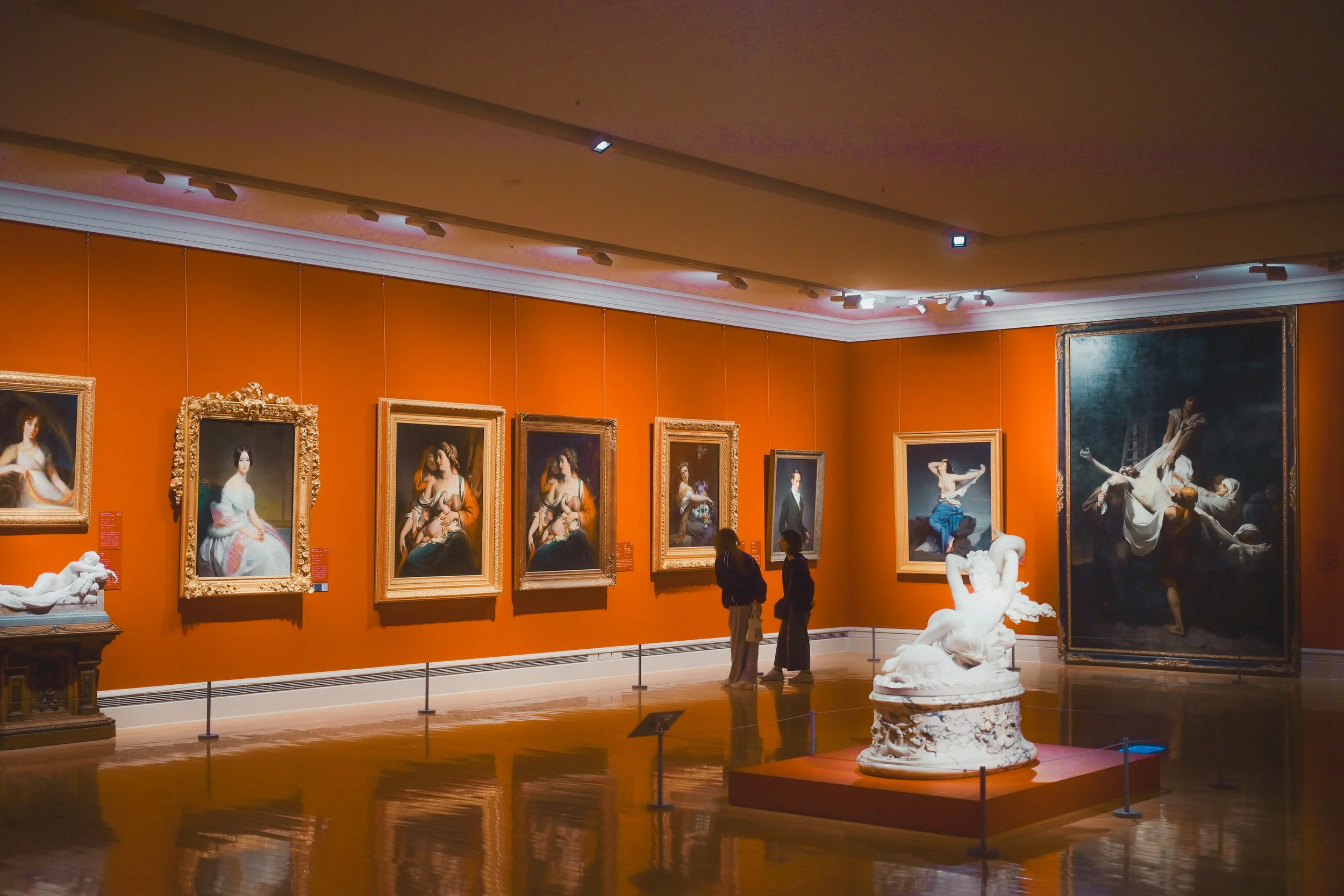
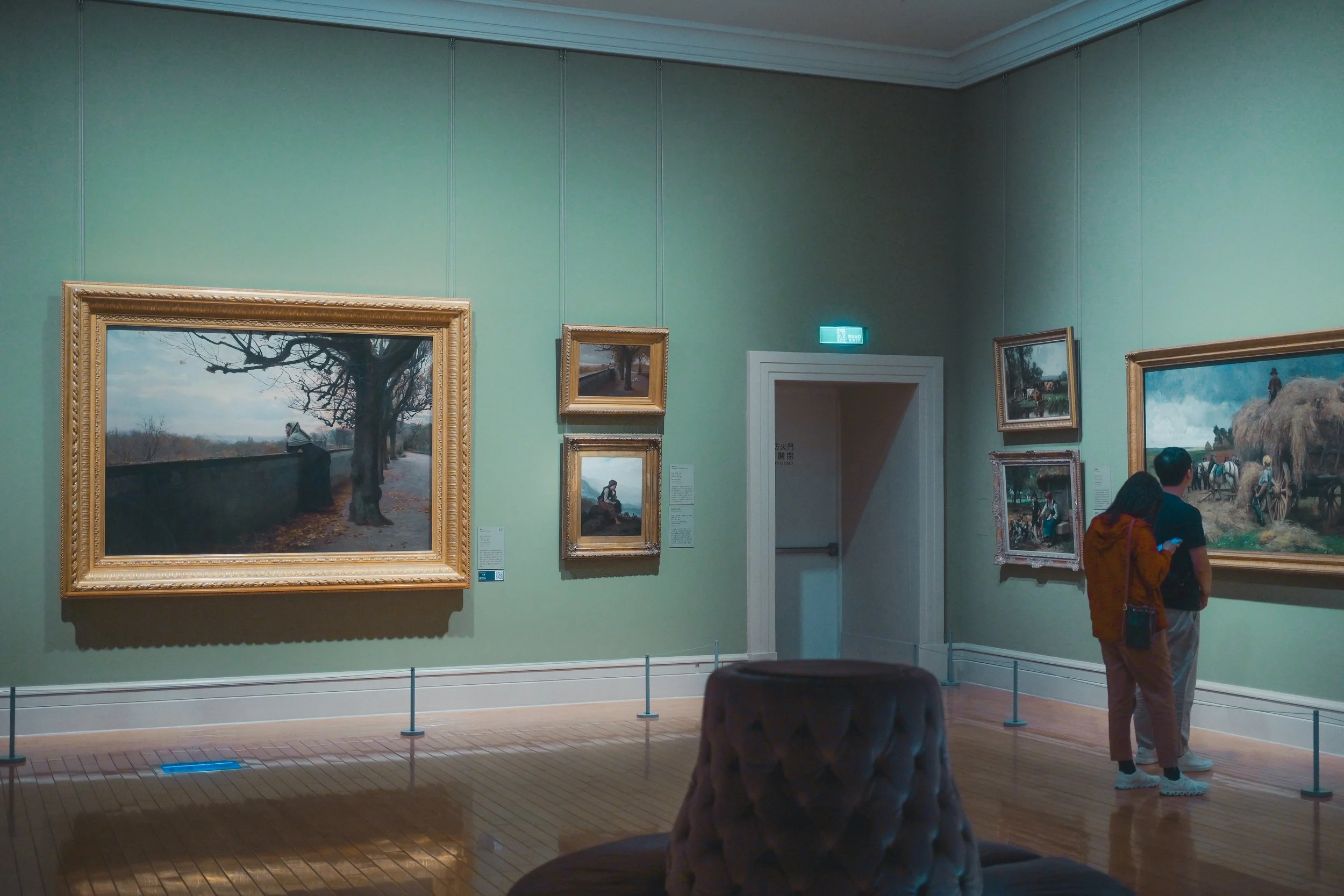
Perhaps the more honest reading of Shi's vision is not that he sought to define a common taste, but that he refused to. The Chimei Museum was never built around a strong curatorial argument. No single aesthetic philosophy governs what you find there. Western paintings hang near ancient weapons, taxidermied animals occupy the same building as Stradivari violins. The collection does not tell you what to value, or how long to linger. In this way, its openness is not a lack of intention but a form of generosity, the museum as threshold rather than verdict. What Shi understood, perhaps instinctively, is that access precedes appreciation. You cannot develop a relationship with beauty if you are never let into the room. Chimei opens the room. What happens next belongs entirely to the visitor, the quiet moment of recognition before a painting, the unexpected pull of a violin's curve, the first stirring of something that has not yet found its name. This is not the flattening of taste. It is taste's beginning.
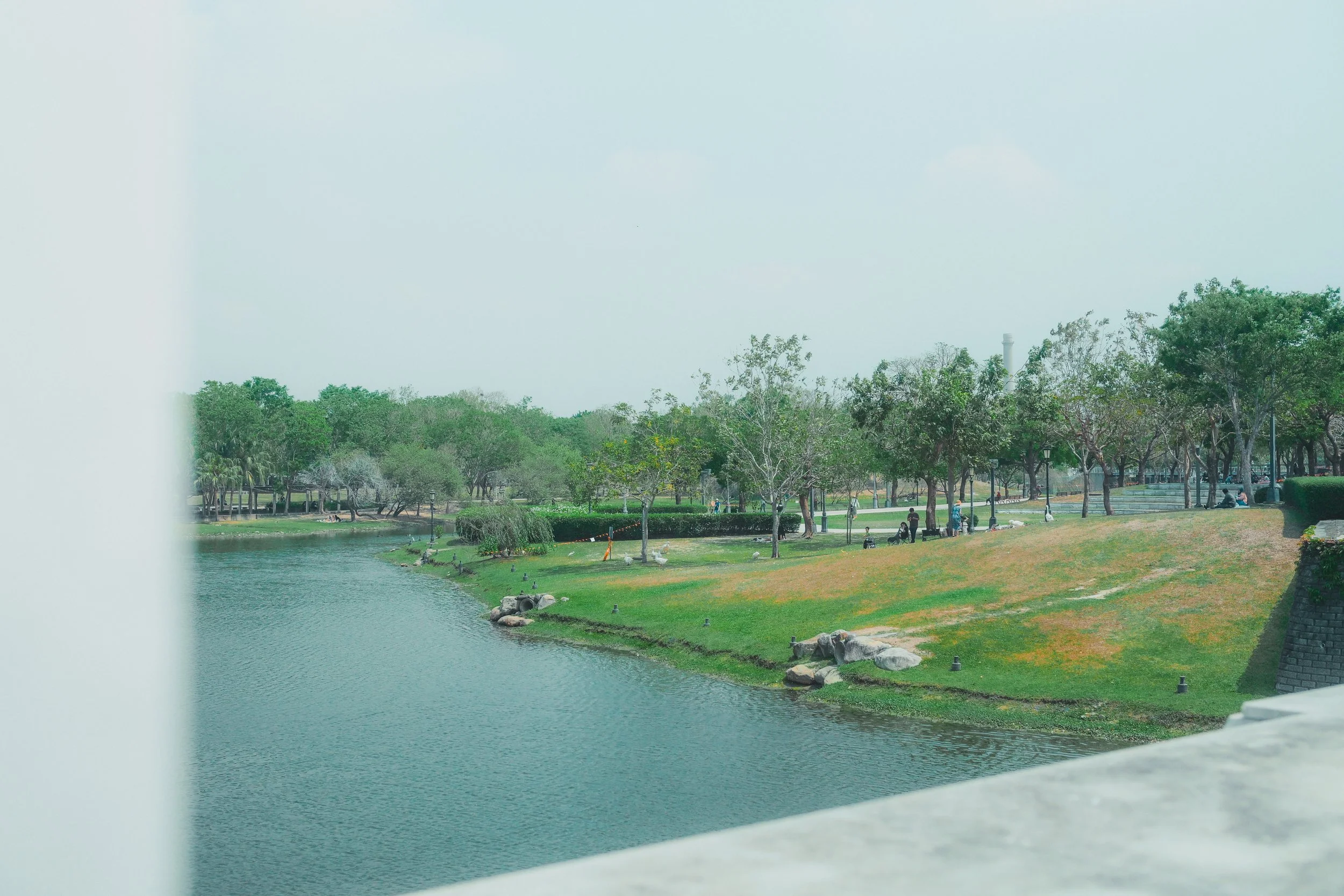
And if none of this moves you, if art leaves you unmoved and philosophy feels like homework, the grounds of Chimei Museum offer another invitation. The sprawling compound, with its fountains, manicured lawns, and open sky, makes for a perfect afternoon. Bring a mat, some food, and let the neoclassical façade be nothing more than a pleasant backdrop. There is, after all, more than one way to spend time in a beautiful place.
CHIMEI MUSEUM

717015臺南市仁德區文華路二段66號
Text and Images by ANATOMY OF THINGS